





Japan makes 30 km/h the default speed limit on most residential roads – as European city survey shows significant safety benefits
Japan has lowered the statutory speed limit on most of its residential streets from 60 km/h to 30 km/h, effective 1 September.
The new limit applies automatically to roads narrower than 5.5 metres with no centre line or median strip, covering around 870,000 km of the country’s 1.22 million km of general roads – roughly 70% of the network – without requiring any new signage on the affected streets themselves. Where a different limit is already signed, that continues to apply, and multi-lane roads keep their existing 60 km/h limit; on wider unmarked roads such as rural agricultural routes, authorities will install signs suited to local conditions.
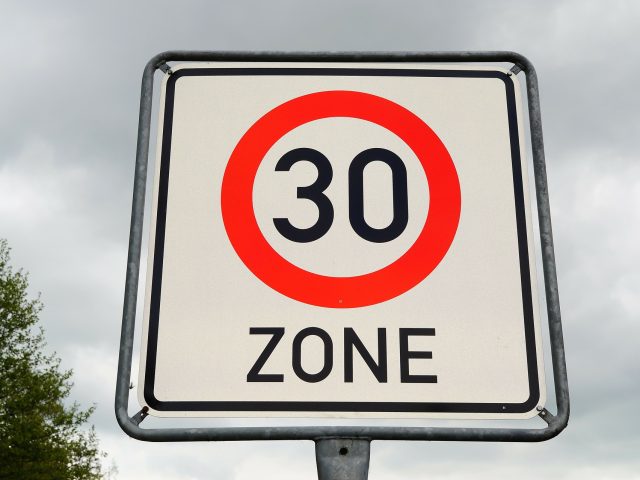
The number of children aged 15 or under and people over 65 killed on residential roads fell from 455 in 2015 to 288 in 2021, but has since risen again, reaching 315 in 2025 – the increase that prompted the reform. Japan already had an area-based equivalent: since 2011, police have designated 4,457 “Zone 30” areas around schools and residential streets, associated with roughly a 30% fall in fatal and serious-injury crashes, plus 249 “Zone 30 Plus” zones adding physical measures like speed humps.
Similar evidence underpins a live debate in European cities. In most EU Member States, 50 km/h remains the urban default, and cities that want to go lower must typically justify the change road by road. A new joint policy statement from the Eurocities Task Force on 30 km/h and ETSC, published in July, argues that 30 km/h should become the norm wherever vehicles mix with pedestrians and cyclists, with higher limits allowed only where street design and safety evidence justify them. Where national governments won’t set that default themselves, the statement argues they should at least give cities the legal power to set a city-wide 30 km/h default on their own.
The case is backed by new survey data. A Eurocities Pulse survey of 38 cities in 19 European countries found 75% of cities that introduced 30 km/h limits or lower reported fewer road deaths and injuries, and 91% reported at least one positive outcome, with no overall negative impact on congestion or journey times. Political opposition fell from 45% during implementation to 18% afterwards, and public resistance fell from 37% to 21%. Cities including Bologna reported significant practical and legal barriers, in contrast with Spain and Sweden, where clearer national frameworks let cities act more consistently.
According to the summary of the survey results, cities would appreciate a formal EU recommendation to national, regional and local governments to implement 30 km/h speed limits in urban areas. According to the results, cities want the EU to use its political influence to promote 30 km/h as the standard urban speed limit and help cities overcome the legislative barriers many of them face on the national level. An EU recommendation would provide legitimacy to local authorities and strengthen their position in national political debates.