





Netherlands to more than double automated traffic enforcement locations by 2030
The Dutch Public Prosecution Service has announced a major expansion of automated traffic enforcement, with the number of locations covered by automated systems set to rise from around 650 today to at least 1,450 by 2030. The new “Vision on Automated Traffic Enforcement 2026-2030“, published by the prosecution service’s traffic-enforcement office Parket CVOM, sets out the largest expansion of Dutch automated enforcement in years and is designed to reduce the country’s main road-risk behaviours: repeat offending, distraction, red-light running, alcohol and drugs, and speed.
The expansion will use a mix of technologies. Fixed speed cameras, average-speed enforcement systems and so-called “flex” cameras that rotate regularly between locations will all be increased, alongside the recently introduced “focus camera”, which targets handheld phone use at the wheel and non use of seat belts. The prosecution service argues that more automated enforcement frees police officers to concentrate on cases where human intervention has the greatest added value, such as repeat offenders.
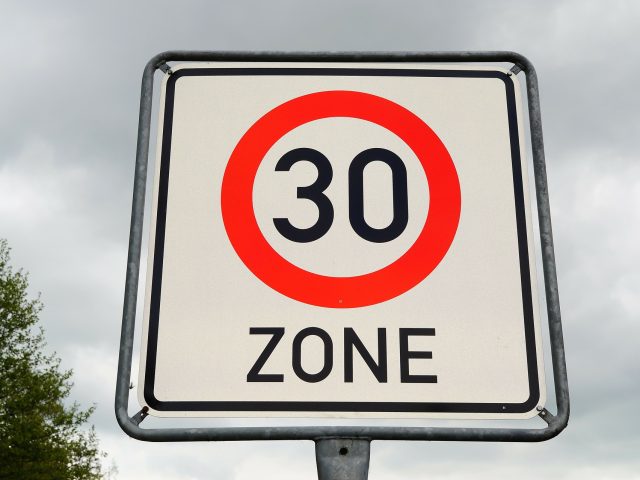
A notable element of the strategy is its focus on vulnerable road users in built-up areas. Cyclists and other vulnerable road users account for a growing share of Dutch road casualties, particularly within urban areas, and a growing number of Dutch municipalities have been lowering speed limits on residential streets from 50 to 30 km/h. To support this, the prosecution service will deploy more flex cameras on 30 km/h streets and, later in 2026, will launch a pilot of average-speed enforcement on urban roads, the first of its kind in the Netherlands. If the pilot is successful, the approach could be rolled out more widely.
Early experience with the most recent generation of average-speed enforcement systems suggests the technology can deliver rapid behavioural change. On a stretch of the A7 motorway between Hoorn and Purmerend, where one in six drivers had been speeding during the pre-enforcement test phase, the number of drivers exceeding the limit fell by around 90% within two weeks of the system being switched on in January.
The announcement is consistent with the long-standing position of ETSC on enforcement of road traffic rules.
The EU-funded Road Safety Exchange project, which brings together national authorities from across Europe to share practical experience on road safety, has repeatedly featured Dutch AI-based detection of handheld mobile phone use as an example of effective enforcement technology, with study visits and workshops including a Netherlands enforcement visit in 2023 and a Croatia workshop in January 2025 where the Dutch Police presented the technology to other Member States.
The Dutch pilot of average-speed enforcement on 30 km/h streets will be of particular interest to other Member States seeking effective ways to enforce the lower urban speed limits that are increasingly being adopted across Europe.