






HGV safety systems frequently deactivated by drivers, according to German survey
New vehicle safety systems are a key part of the safe system approach to road safety, serving as a critical layer of protection that can intervene to avoid a risky situation. However, a recent survey by the German Road Safety Council (DVR), an ETSC member, suggests that the real-world impact of these technologies is being undermined by widespread deactivation.
The survey of more than 500 truck drivers revealed that 59% of respondents do not use their assistance systems continuously, with nearly one in five admitting to switching them off frequently.
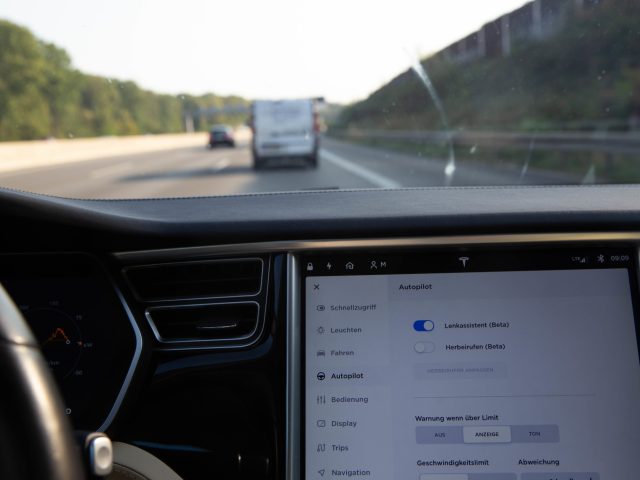
The data show Lane Keeping Assist is the most frequently disabled, with 56% of drivers turning it off. This is followed by Intelligent Speed Assistance (16%), Adaptive Cruise Control (15%), and even Turning Assistants (8%) and Emergency Brake Assist (5%).
The lack of acceptance for these life-saving tools appears to stem from a significant training vacuum rather than a simple disregard for safety. Roughly 32% of drivers reported receiving no briefing at all on how to operate the technology in their vehicles, while 45% relied on informal instructions from colleagues.
This lack of formal education often leads to “alarm fatigue,” with 53% of drivers stating they find the frequent warnings, errors and system interventions to be a source of distraction or annoyance.
“The majority of those surveyed consider driver assistance systems useful – a strong signal,” said Manfred Wirsch, President of DVR. “We need to strengthen this trust. Those who blame truck drivers alone for deactivating driver assistance systems overlook the fact that vehicle manufacturers can also contribute…Clear and understandable warning and operating concepts are crucial. A low false alarm rate, as well as standardised symbols and labels, can also significantly increase acceptance.”