



EU road safety progress under threat from new era of deregulation
The European Transport Safety Council (ETSC) has issued a mixed response to the European Union’s mid-point progress report on its 2021-2030 road safety strategy. While ETSC welcomes the Commission’s technical advancements and commitment to data-driven policy, it warns that a shifting political climate is beginning to dismantle the very safety leadership the EU once pioneered.
ETSC acknowledges significant structural wins highlighted in the report. The implementation of the next generation vehicle safety standards of the 2019 General Safety Regulation (GSR) in 2022 and 2024, alongside the Road Safety Infrastructure Management Directive, represent a high-water mark for European road safety legislation. Furthermore, the ETSC applauds the Commission’s sophisticated new Key Performance Indicators (KPIs) and improved data collection methods, which provide more of the transparency needed to track “Vision Zero” goals. The detailed country-level reports and recommendations are also welcome.
However, ETSC warns that the main EU legislative achievements belong to a previous political era. Today’s reality is one of safety stagnation.
Commenting on the report, ETSC Executive Director Antonio Avenoso said:
“The Commission deserves credit for its work on data and the legacy of new vehicle safety and infrastructure standards. We finally have the KPIs to see more areas where we need to focus attention. But data alone doesn’t save lives. We are seeing a worrying trend where the golden age of EU safety legislation is being followed by a safety recession trading human lives for industry convenience and trade alignment.”
“It is particularly telling that the Commission’s report acknowledges the need for a dedicated EU road safety agency. We’ve been calling for this for years. But admitting the house is on fire while refusing to call the fire brigade is not a strategy. With the rapid rollout of assisted and automated driving, the lack of an independent investigation and oversight body is a major governance gap and a public safety risk.”
ETSC highlights five critical areas where recent legislative changes or proposals are actively undermining safety:
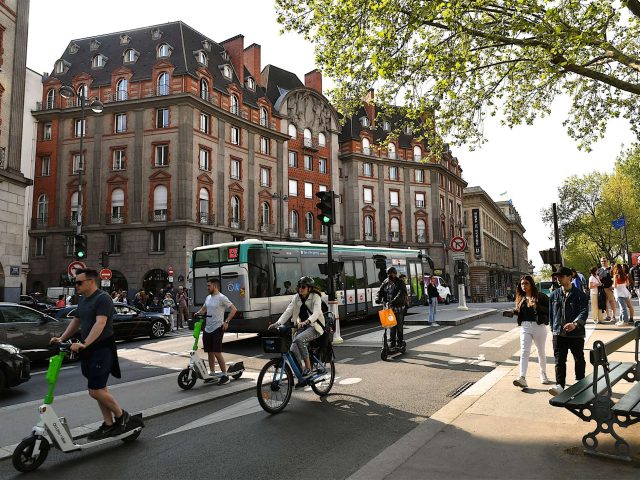
- Small electric vehicle safety “freeze”: a promised 10-year halt on new safety requirements for small EVs, despite 40% of road deaths occurring in the urban environments where these vehicles proliferate.
- The rise of 60t “megatrucks”: pushing for cross-border movement of massive “gigaliners” that pose extreme risks to infrastructure and vulnerable road users.
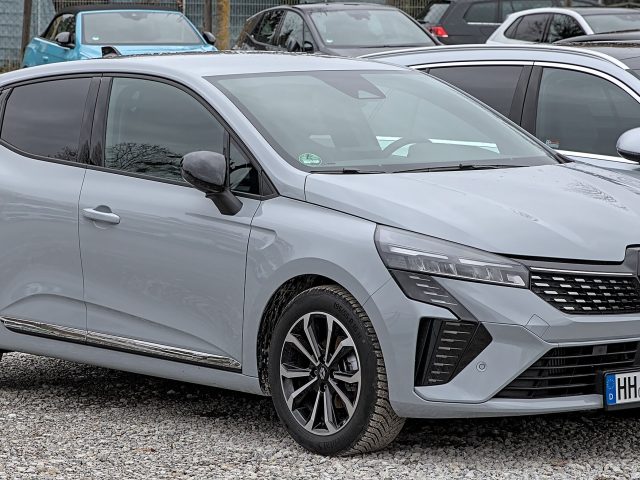
- Standards dilution: the risk of a shift toward mutual recognition of US vehicle standards, threatening to flood EU markets with heavier, less-regulated SUVs and pickups.
- Younger lorry drivers: revisions to the Driving Licence Directive that lower minimum ages for HGV drivers, despite clear evidence of higher risk profiles for younger operators.
- Technical inspection gaps: leaving 70% of the motorcycle fleet (mopeds and motorcycles up to 125cc) without mandatory EU-wide annual safety checks.
While ETSC appreciates the Commission’s “talking the talk” on Vision Zero and its dedication to data, the current legislative trajectory suggests the EU is “walking the walk” in the opposite direction. Without a concrete timeline for a safety agency and a reversal of the current deregulatory trend, the targets for 2030 will remain out of reach.