


ETSC slams proposed safety exemptions for new small car category
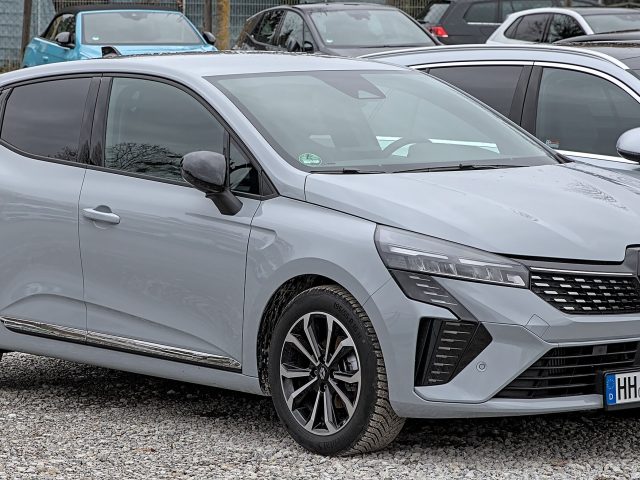
Responding to a report in the Financial Times, the European Transport Safety Council (ETSC) has warned that EU plans to grant a ten-year exemption from updating essential safety regulations for a new class of “Made in Europe” small electric cars will put pedestrians, cyclists, and vehicle occupants at risk.
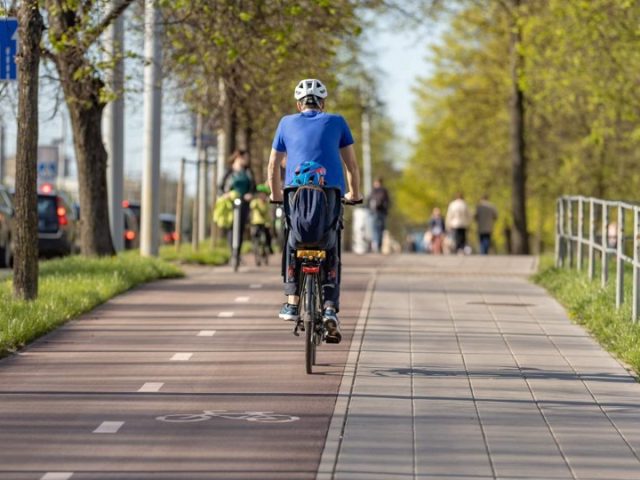
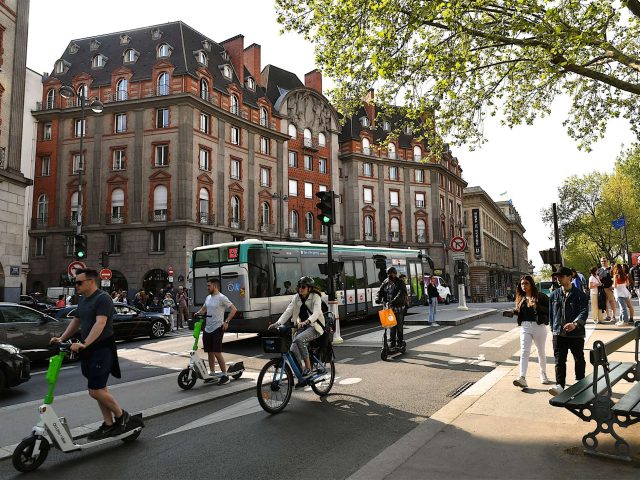
The exemption is particularly dangerous given that these vehicles are designed primarily for city driving. ETSC data consistently show that 70% of those killed on urban roads are vulnerable road users – pedestrians, cyclists, and motorcyclists. These are the exact groups that new advanced safety technologies, which this proposal would bypass, are designed to protect.
Antonio Avenoso, Executive Director of ETSC, commented:
“Freezing vehicle safety standards for a decade is an act of gross negligence. It is the public health equivalent of voluntarily deciding to stop approving new cancer treatments.
“The automotive industry is currently making rapid advances in critical safety technologies, particularly in Automated Emergency Braking (AEB). We now have systems capable of detecting vulnerable road users with far greater accuracy than those required today. However, standards must also be updated to fix critical design flaws emerging in modern vehicles.
“We are seeing alarming incidents where electronic car doors fail to open, trapping occupants inside during fire or flood situations because the power has failed. Regulations must be updated to mandate accessible mechanical overrides, yet this proposal would leave these death trap designs legal on this vehicle category for another ten years.
“Technology that prevents drivers from ‘dooring’ cyclists would also be at risk from this freeze; the German government has said it wants to require this feature on new cars as a high priority, and that would require EU legislation.
“These small cars are designed specifically for urban environments, where interactions with pedestrians and cyclists are most frequent. To exempt these vehicles from installing the latest life-saving technology – and fixing known hazards like non-functioning doors – until the mid-2030s is unacceptable. Minimum safety standards must evolve to reflect what is technologically possible, not be frozen in time to cut costs.”