


Europe’s cyclists left behind as safety gap widens, new ETSC report finds
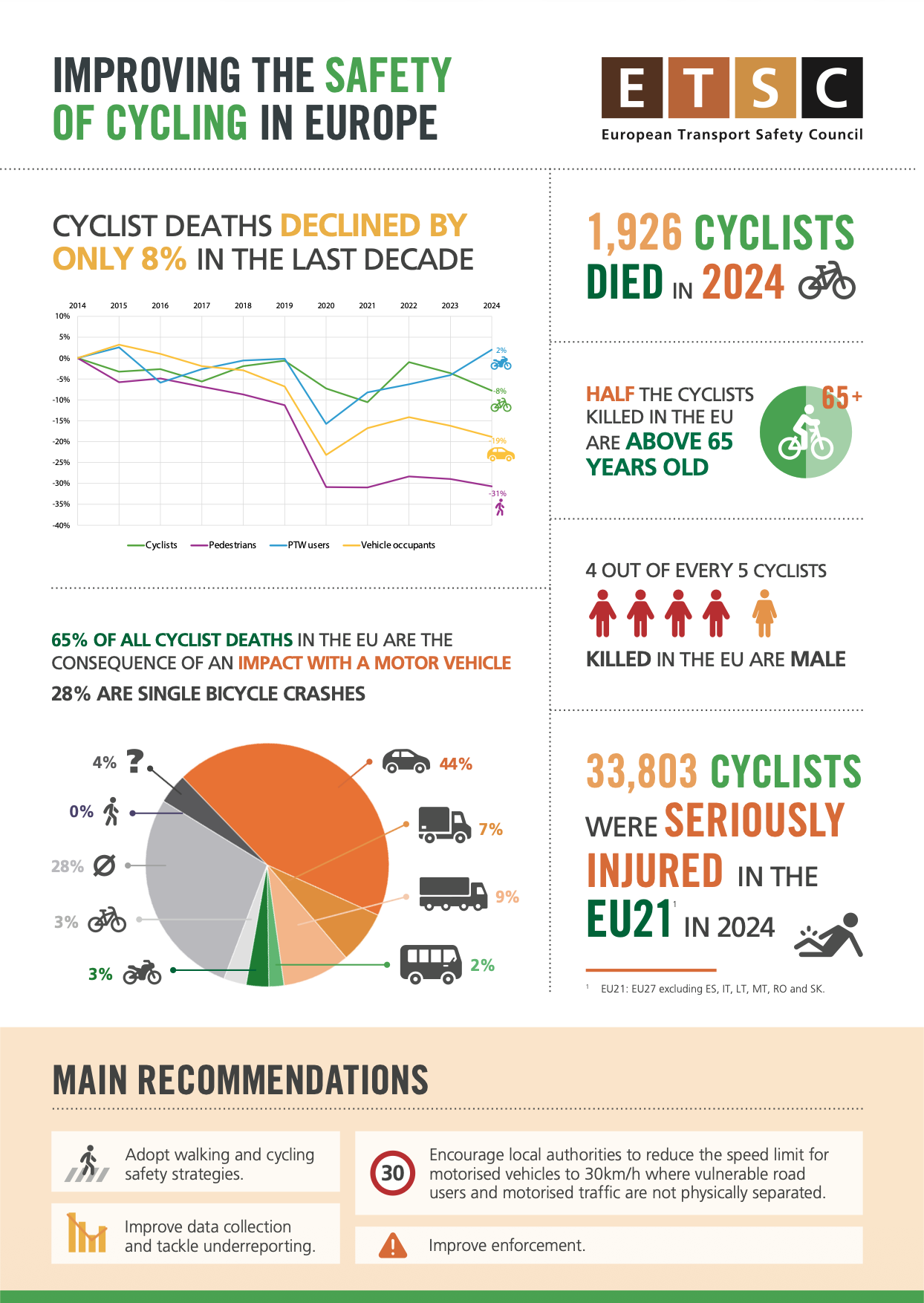
A landmark report published today by ETSC reveals that cyclist deaths across the European Union have barely declined over the past decade – even as deaths among car occupants have fallen at four times the rate. The report calls for urgent action on motor vehicle speed reduction and separated cycling infrastructure to close a widening safety gap.
In 2024, 1,926 cyclists were killed on EU roads. Over the decade from 2014 to 2024, cyclist deaths fell by just 8% – an average annual reduction of only 0.5%. By stark contrast, deaths among motorised road users fell at an annual rate of 2%, four times faster.
To meet the EU’s 2030 target of halving road deaths, an overall annual reduction of 6.5% would be required – thirteen times the current rate of progress for cyclists. Cyclists now account for 10% of all road deaths in the EU. Without serious safety improvements this proportion will grow.
Police-reported serious injuries among cyclists increased by 12% over the same period. Hospital data suggest the true scale is far higher, with fewer than 10% of injured cyclists appearing in police statistics in some countries.
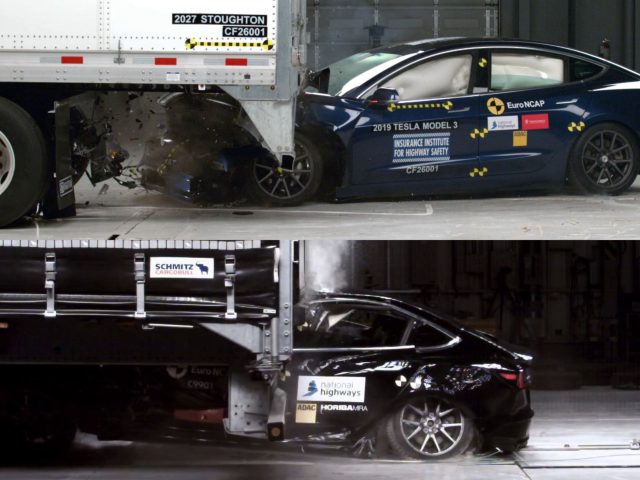
The report makes clear where the greatest danger lies: 65% of cyclist deaths in the EU result from collisions with motor vehicles. Passenger car collisions account for 44% of cyclist deaths, with heavy goods vehicles (9%) and vans (7%) also contributing significantly.
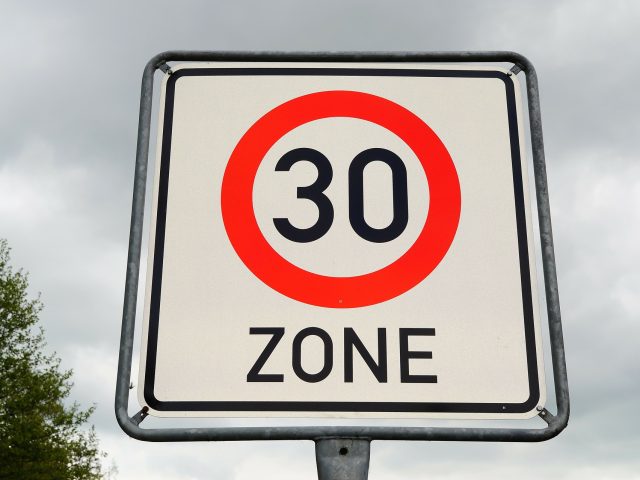
ETSC is calling on national governments and the European Commission to make speed reduction a priority. Lower motor vehicle speeds are one of the most effective measures available to protect cyclists: the risk of death for a cyclist hit at 50 km/h is many times higher than at 30 km/h.
The report also finds that at least 28% of cyclist deaths involve no other vehicle, such as falls or collisions with kerbs or stationary objects. Most serious injuries also occur in these types of crashes.
The case for high-quality, separated cycling infrastructure
The report underlines that physical separation of cyclists from fast-moving motor traffic is essential to achieving meaningful safety improvements. Where separation is not possible, safe speed limits must be enforced. Investment in high-quality separated cycling infrastructure – protected lanes, cycle paths and safe junctions – must be scaled up urgently across Europe.
Smooth cycle lanes that are sufficiently wide and without obstacles can also reduce injuries and deaths caused by falls or collision with an object on the road.
As governments across Europe encourage citizens to shift from cars to cycling for environmental and health reasons, the failure to provide safe infrastructure represents a fundamental contradiction in transport policy.
Jenny Carson, co-author of the report for ETSC said:
“Governments are actively encouraging more people to cycle – for the climate, to reduce fossil-fuel use and congestion, for public health, for our cities. But they are not providing the safe conditions that cyclists need and deserve. You cannot ask people to cycle and then fail to protect them from fast-moving traffic. We need lower speeds where cyclists and motor vehicles share space, and we need separated cycling infrastructure where speed limits are set above 30 km/h. The data could not be clearer: without urgent action, cyclists will continue to pay with their lives.”
While lack of safe cycling infrastructure and motor vehicle speed remain the primary concerns, research cited in the report indicates that helmets can reduce head injuries by 51% and fatal head injuries by 72%.
Additional findings
- Older cyclists are disproportionately at risk, with mortality rates rising sharply among those aged over 80. The growing use of electrically-assisted bicycles, particularly by older riders, further increases casualty risk.
- Men account for 80% of cyclist deaths, likely reflecting differences in distance cycled and risky behaviours.
- Deaths among e-bike users are seen increasing in countries that distinguish between bicycle types, even as deaths among conventional cyclists decline.
ETSC’s key recommendations
- Introduce and enforce 30 km/h speed limits on urban roads where cyclists and motor vehicles share space.
- Significantly increase investment in separated high quality cycling infrastructure, including protected lanes, dedicated cycle paths, and safe junction design. Enhance smooth and object-free bicycle infrastructure to prevent single bicycle collisions.
- Urge the European Commission to publish expert guidance on quality infrastructure for vulnerable road users.
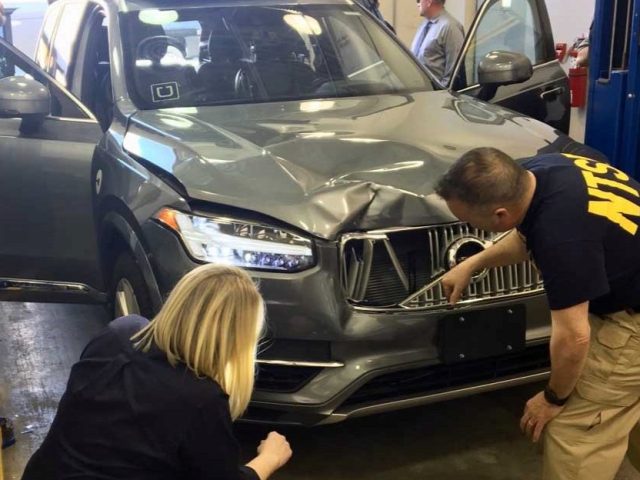
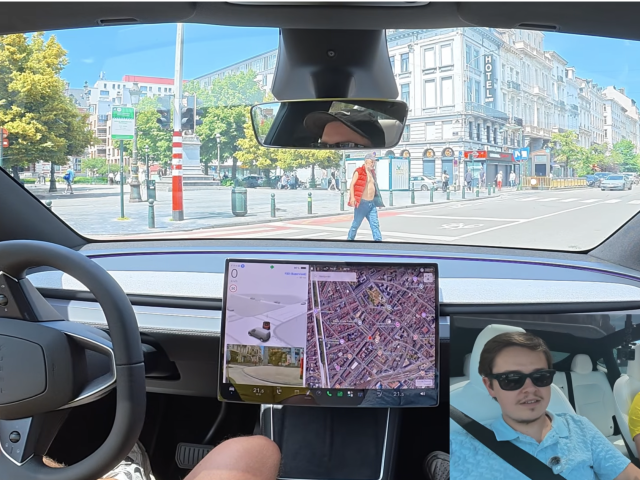
- Accelerate the roll-out of vehicle safety technologies – including automated emergency braking with cyclist detection – across the EU fleet.
- Improve data collection on cyclist injuries, including through mandatory hospital reporting, to better understand the true scale of harm.
- Adopt key performance indicators for cyclist safety as part of national and EU road safety strategies.
- Encourage national governments to develop National Cycling Strategies with targets and measures on road safety.
- Increase helmet wearing among cyclists.
The full report, including country-by-country data and detailed policy analysis, is available at www.etsc.eu/pinflash50.