
75% of surveyed cities report fewer road deaths and injuries after lowering speed limits
Three quarters of European cities that have introduced lower urban speed limits report fewer road deaths and injuries as a result, according to a new survey published on 20 April by Eurocities, the network of more than 200 European cities.
The survey covered 38 cities in 19 countries. It found that 91% of respondents reported at least one positive impact from lowering speeds, including reduced collisions, lower air and noise pollution, and increased uptake of active travel. Crucially, the cities reported no overall negative effect on congestion, traffic volumes or journey times, and only limited impacts on public transport, countering one of the most common arguments deployed against urban speed reduction.
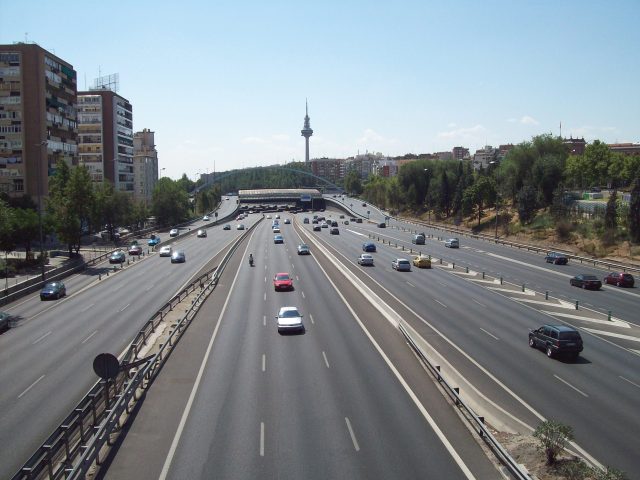
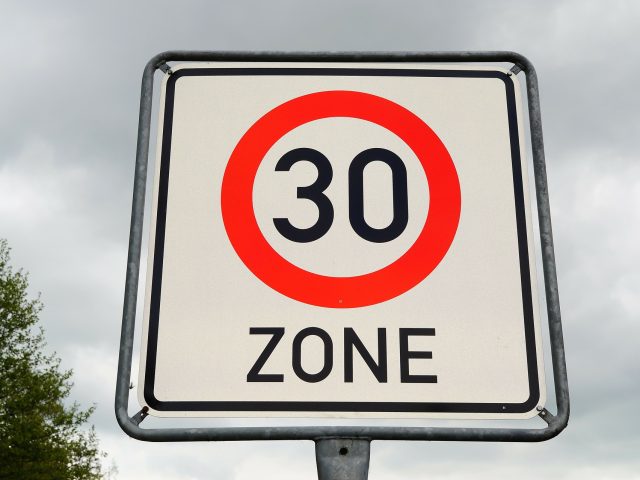
Most cities have introduced 30 km/h limits in a targeted, phased way, prioritising residential neighbourhoods, school streets and historic centres while keeping higher limits on key corridors. More than half (57%) said over half of their road network now operates below 50 km/h.
The survey also throws useful light on political resistance, which is often the steepest obstacle to urban speed reduction. During implementation, 45% of cities reported political opposition and 37% reported public resistance. Once measures were in place, those figures fell to 18% and 21% respectively. Legal barriers, which affected 40% of cities during planning, dropped to just 5% afterwards.
Michele Campaniello, Deputy Mayor of Bologna and chair of the Eurocities Task Force on 30 km/h, said: “While there were initial challenges and scepticism, the results are clear: safer roads, calmer traffic and a better urban environment for everyone.”
Bologna itself is a useful case study. As ETSC reported in January, the city’s pioneering 30 km/h policy was struck down by the regional administrative court following a legal challenge. The city has now relaunched the scheme on a strengthened legal footing.
On 20 April, 22 new ordinances brought the 30 km/h limit back into force across 258 km of city streets, with each section of road now backed by its own technical justification. Local police enforcement resumed the same morning, and the city is rolling out a programme of more than 100 physical traffic-calming measures, including speed cushions, speed-display signs, raised crossings and road narrowings. Mayor Matteo Lepore said the goal was simple: “to reduce crashes.”
Eurocities is calling on national governments and EU institutions to give cities clearer legal powers, stronger technical guidance and dedicated funding to accelerate implementation.
The findings come as the European Commission’s mid-term review of the 2021–2030 EU Road Safety Policy Framework reports that progress on road deaths is well behind target. ETSC has previously highlighted the growing body of evidence that 30 km/h limits are among the most effective road safety interventions available to cities.