


Opinion: Why we must not roll back life-saving vehicle standards on small cars
By Graziella Jost, ETSC
ETSC was alarmed at the announcement by the European Commission last month of plans to freeze safety standards for small electric cars for the next ten years. However, some voices in the car industry are pushing further, expressing the view that today’s small cars do not need the latest safety features at all. Recent comments by the boss of Fiat, suggesting that safety requirements are making small city cars unaffordable and should be stripped back, are misleading and dangerous.
At ETSC we support innovation and affordability in the small car segment. Small cars are more suitable for urban use than SUVs, and can be a lifeline for people with no alternative means of travelling. The continued rise of SUVs and pick-ups in urban centres is a genuine threat to road safety. But making smaller cars cheaper at the expense of safety for drivers, passengers, pedestrians and cyclists would be a grave step backwards.
European vehicle safety standards require several technologies that are now widely accepted as critically necessary in cities.
Automated emergency braking (AEB) with pedestrian and cyclist detection can prevent crashes or significantly reduce their severity. AEB systems use sensors and cameras to detect imminent collisions – including with vulnerable road users – and apply the brakes if the driver fails to respond.
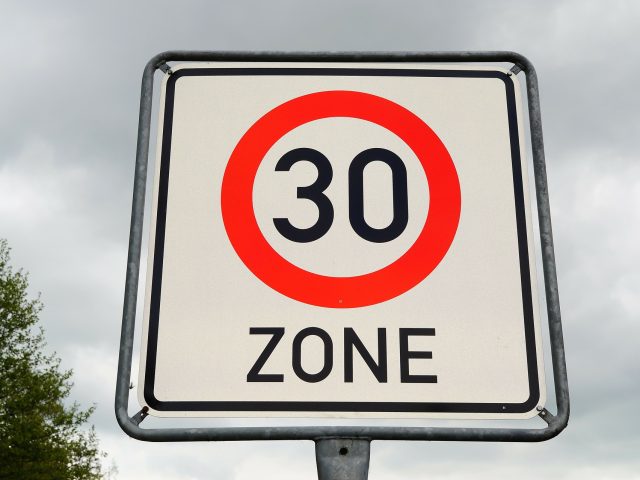
Intelligent Speed Assistance (ISA) helps drivers stay within speed limits, a fact that is particularly important in cities where many pedestrians and cyclists are present. The difference between hitting a pedestrian at 30 km/h versus 50 km/h is often the difference between life and death – a fundamental reason why urban speed limits have been lowered in many European cities and why ISA matters.
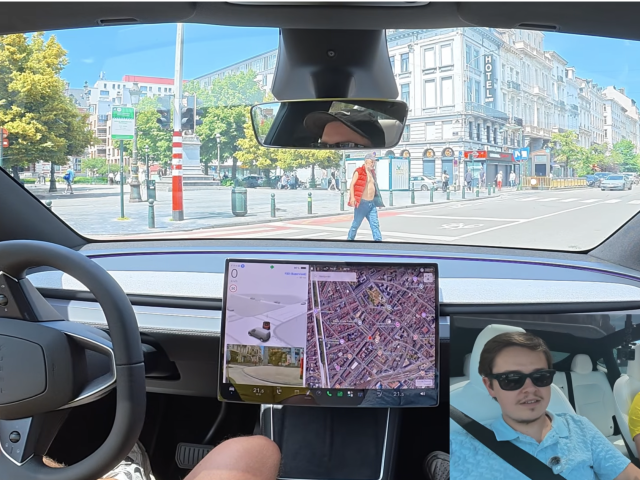
Advanced Driver Distraction Warning (ADDW) systems play an important role in modern safety. ADDW uses sensors to monitor driver eye movements and facial orientation, providing an alert if the driver is not looking ahead. By keeping the driver’s gaze on the street, these systems mitigate the risks of distraction by mobile phones in complex urban environments.
These technologies are not luxury add-ons. They are essential for protecting everyone on the road, especially in dense urban environments where interactions between cars, bikes and pedestrians are constant.
Cost increases for safety tech have been exaggerated
It is true that the retail prices of cars, including small cars, have increased significantly over the last few years. However, the claim that safety regulation alone is to blame – or that it accounts for cost increases as high as 60 % – does not stand up to scrutiny.
Industry data from Jato Dynamics – which tracks new car pricing trends across Europe – shows that overall car prices have risen in recent years due to multiple factors, with increases of 34 % for B-segment small cars since 2018. These increases reflect broad market pressures such as supply chain disruption, chip shortages, inflation and the transition toward electrification – not safety measures alone.
To suggest that today’s safety requirements are the dominant driver of price inflation is to ignore these broader market trends – and other economic pressures that have affected virtually every sector, including groceries and housing.
For too long many legacy carmakers have directed product and marketing investments toward high profit segments such as large SUVs. This has come at the expense of genuine innovation across the affordable small car category.
At ETSC we are strong proponents of inclusive safety standards that protect every motorist and every vulnerable road user, regardless of the vehicle they choose. We must avoid any slide toward a two-tier safety system where only the buyers of large, expensive cars receive the highest level of protection while occupants of smaller, cheaper vehicles are left behind.
Relaxing safety requirements for small cars would be a harmful step that risks undermining the very progress Europe has achieved in reducing deaths and serious injuries.