Munich urban study visit on urban road safety and sustainable mobility 2026
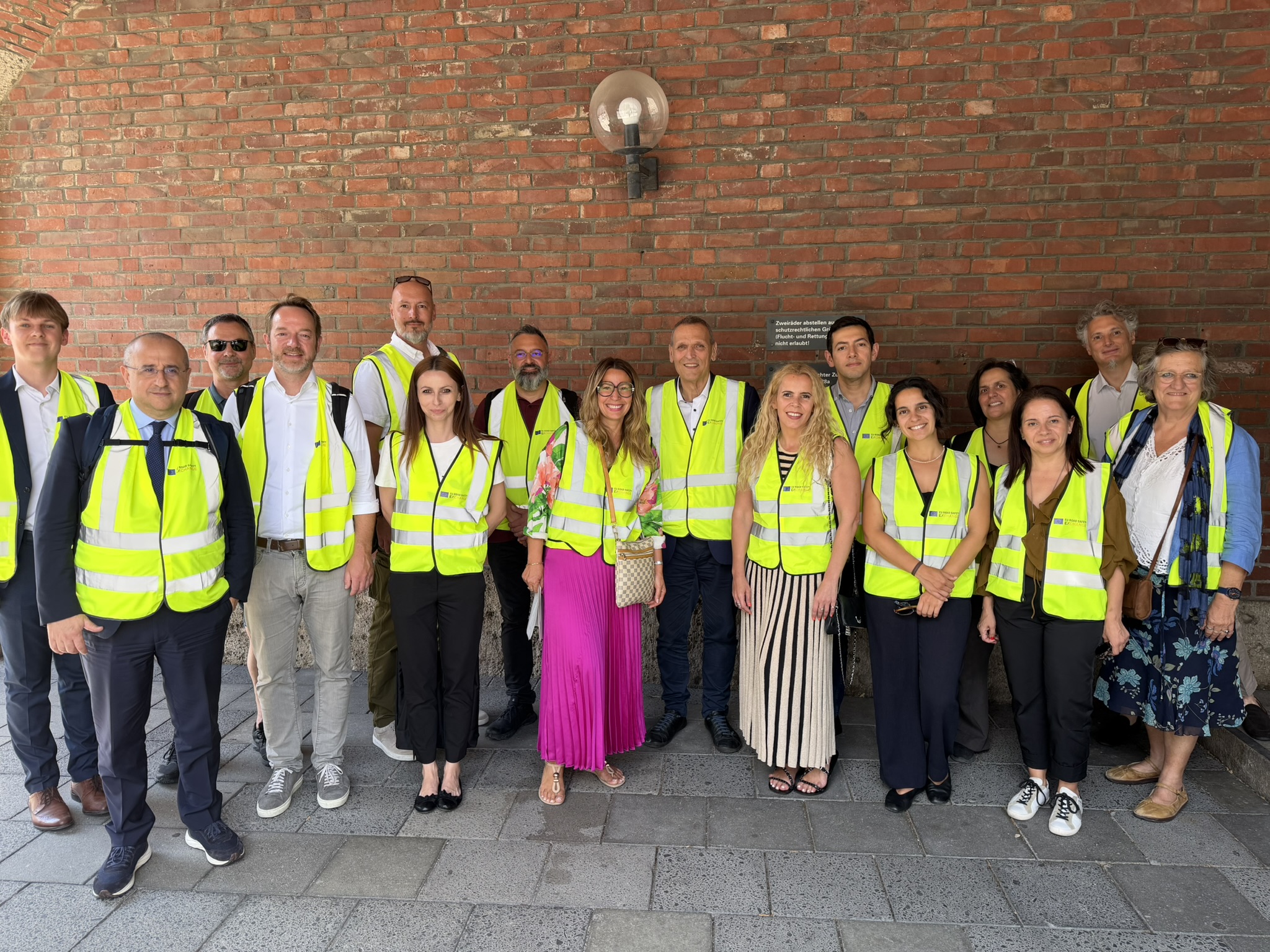
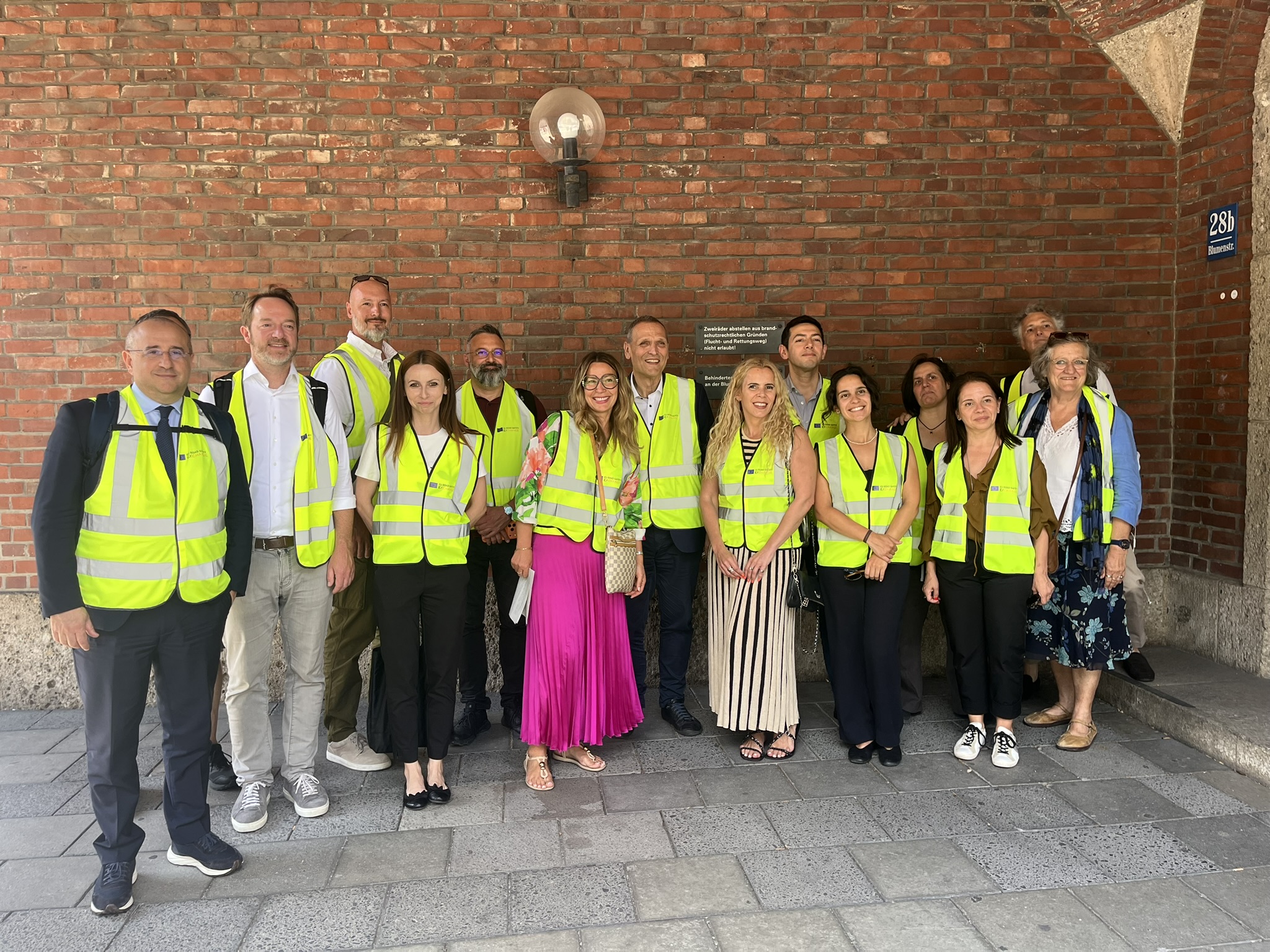
The second urban study visit under the EU-funded EU Road Safety Exchange project took place in Munich on 2-3 July 2026.
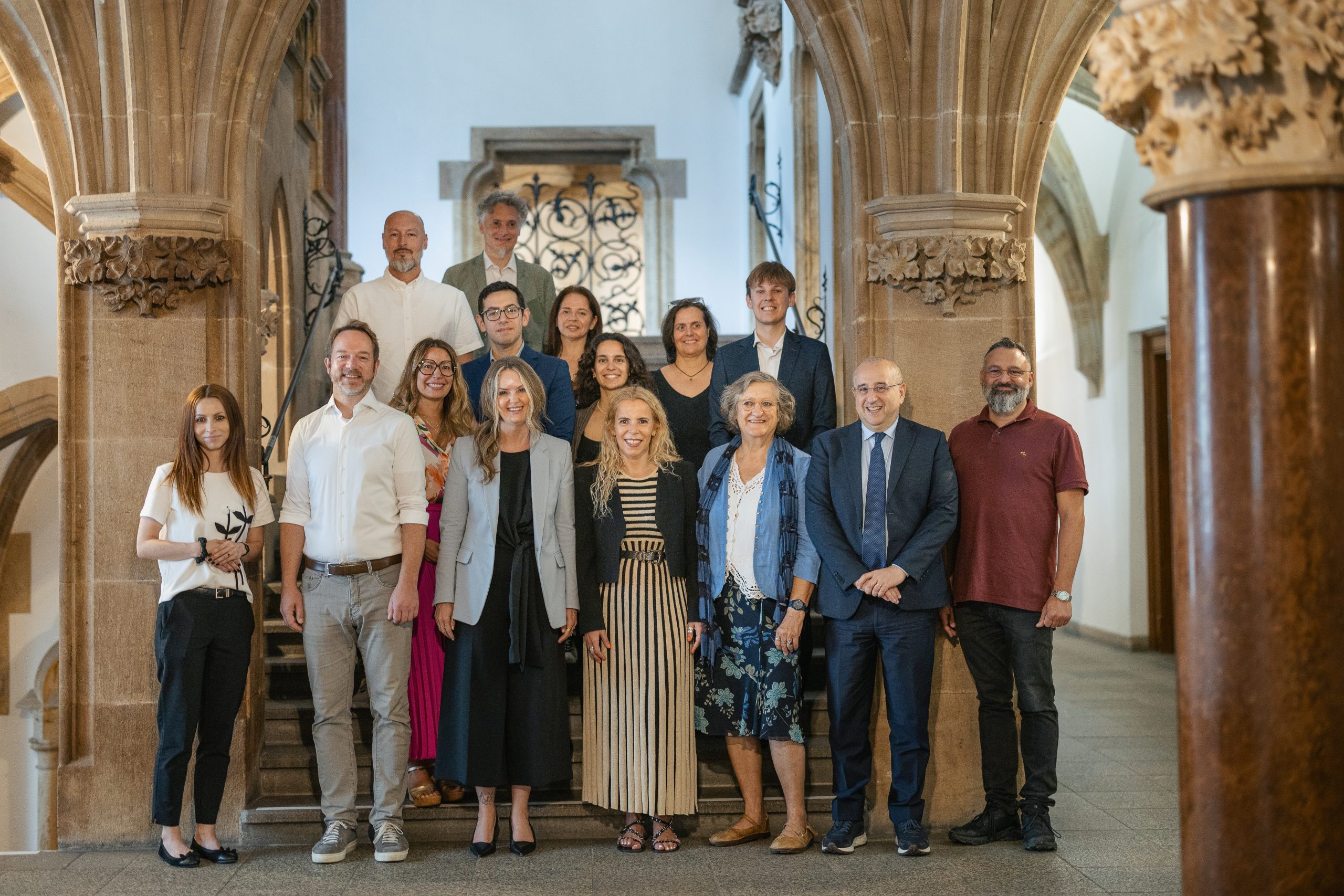
It brought together participants from the cities of Athens, Bucharest, Coimbra and Zagreb, alongside representatives of the European Commission, the Portuguese National Road Safety Authority (ANSR), the Faculty of Transport and Traffic Sciences, University of Zagreb and the Regional Observatory for Road Safety Education of Emilia-Romagna, accompanied by the European Transport Safety Council (ETSC). The study visit was hosted by the City of Munich.
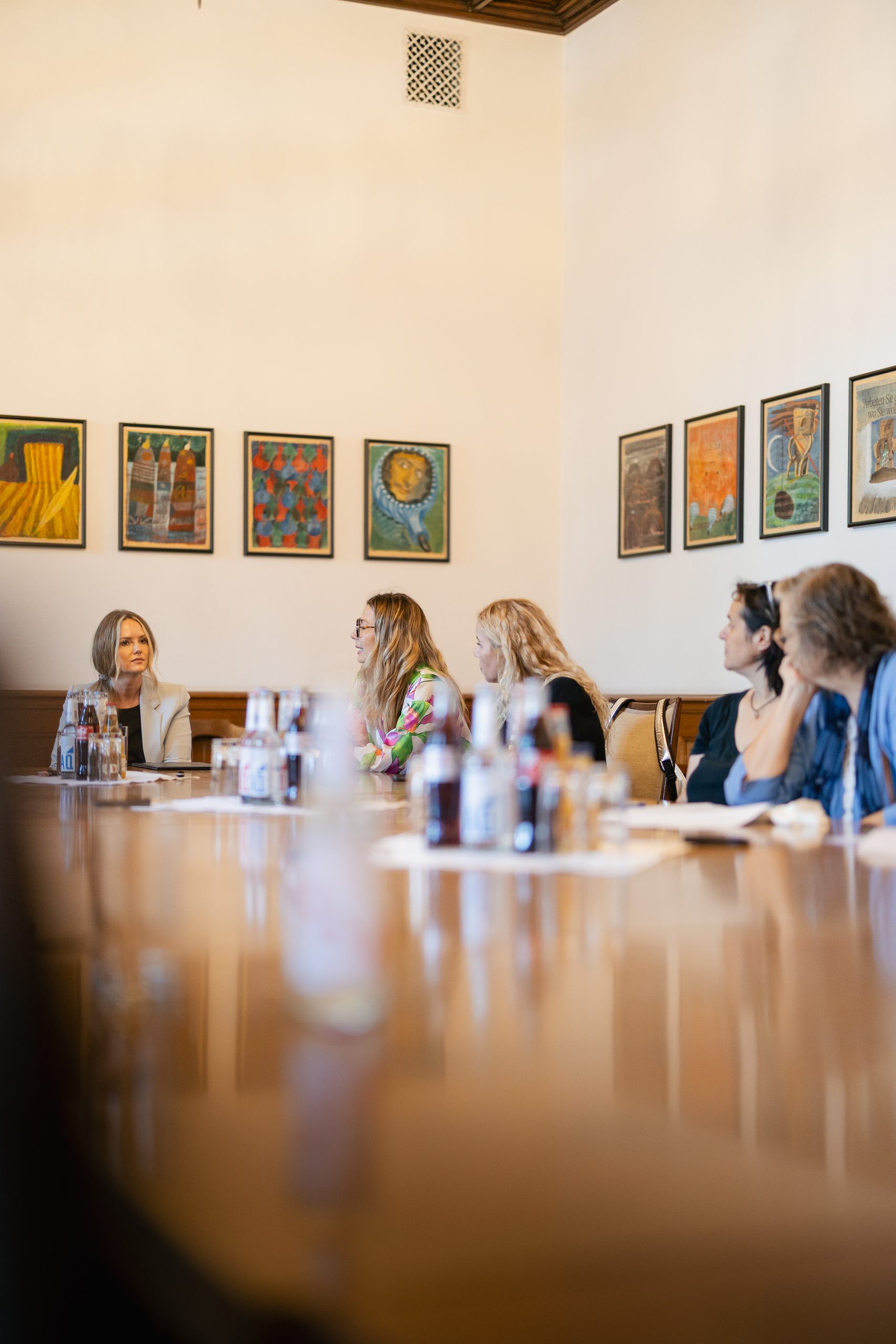
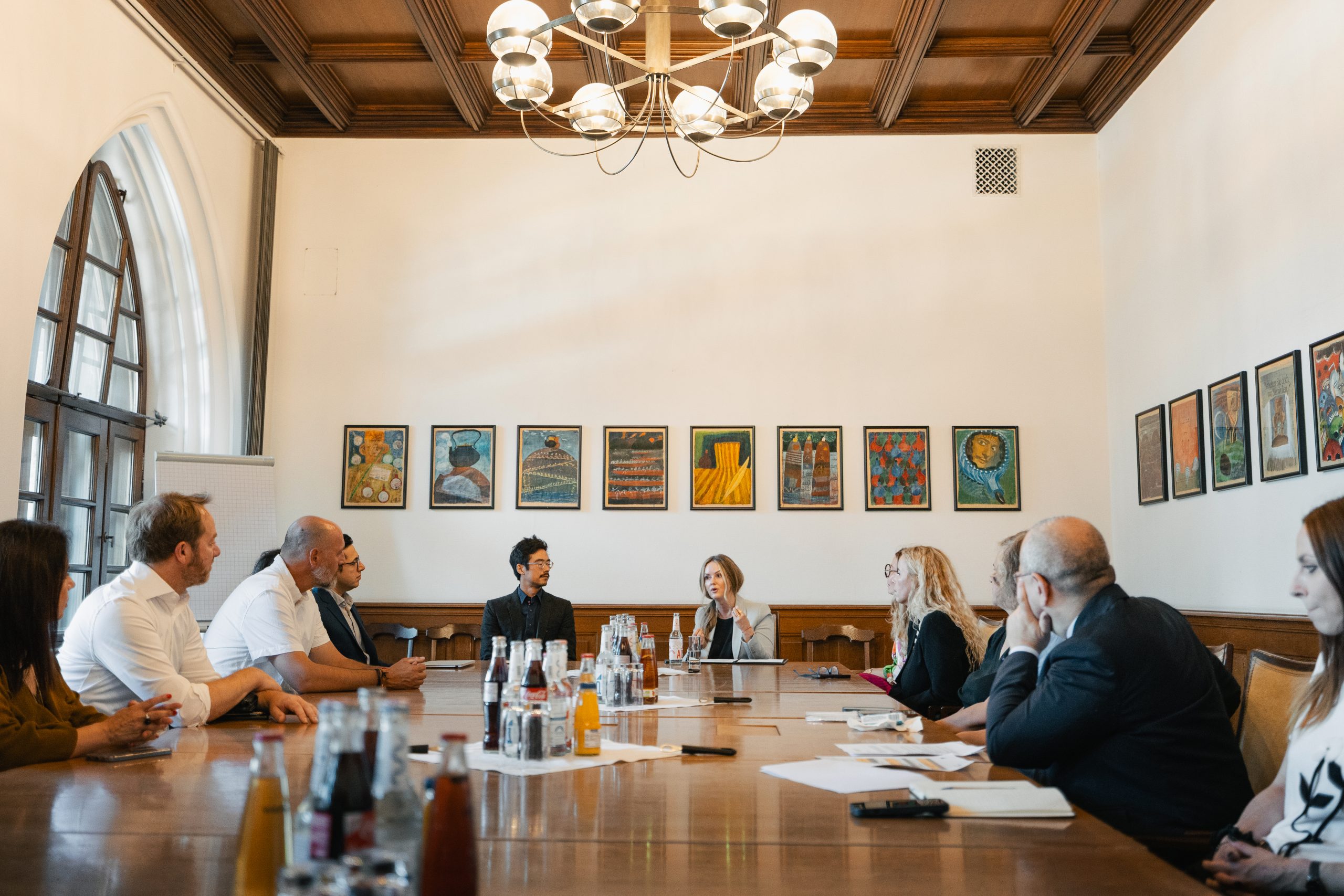
The programme opened at Munich City Hall with a welcome from Mona Fuchs, Second Mayor of Munich, who introduced the city’s Vision Zero approach and reflected on the opportunities and challenges of improving road safety in a growing city.
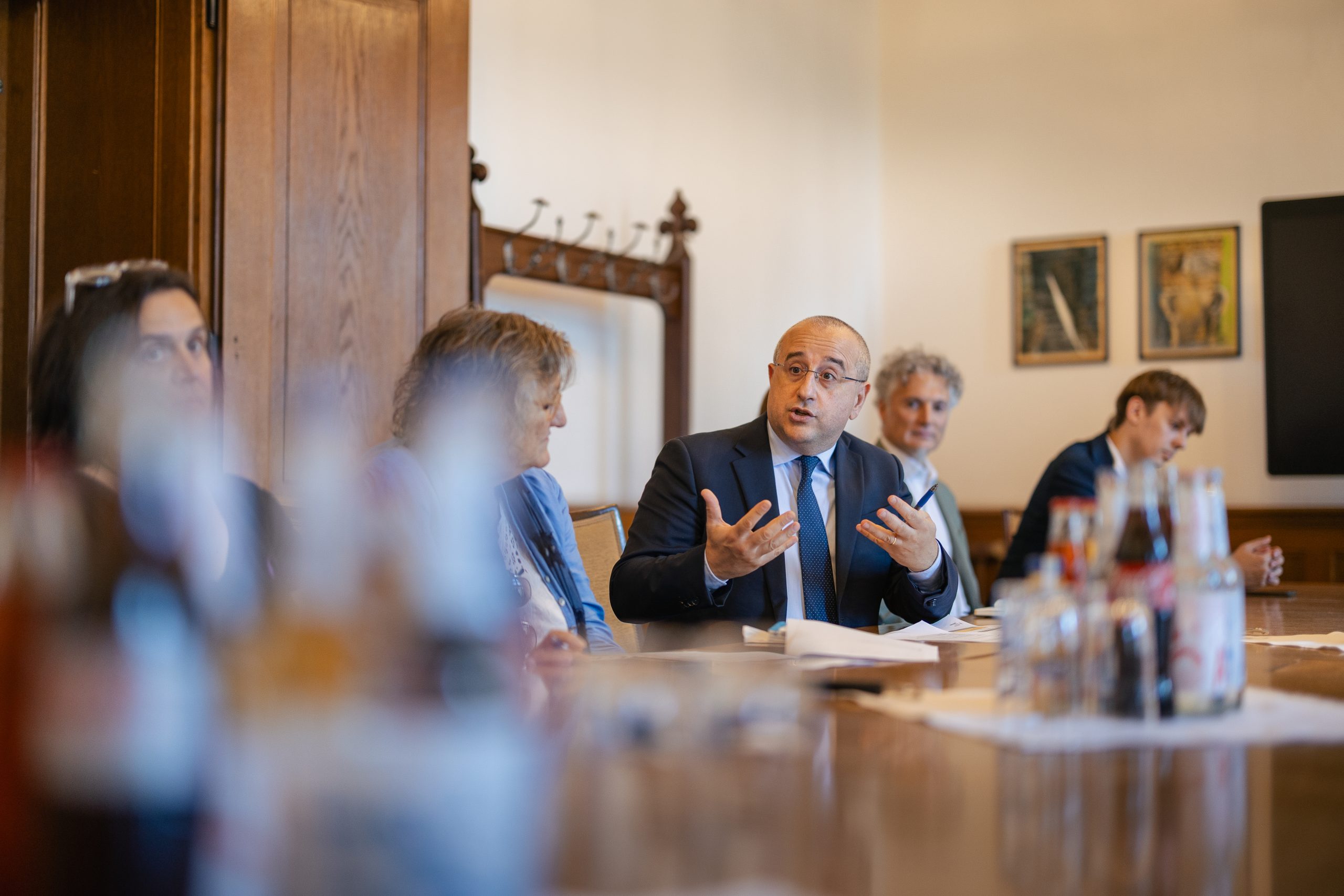
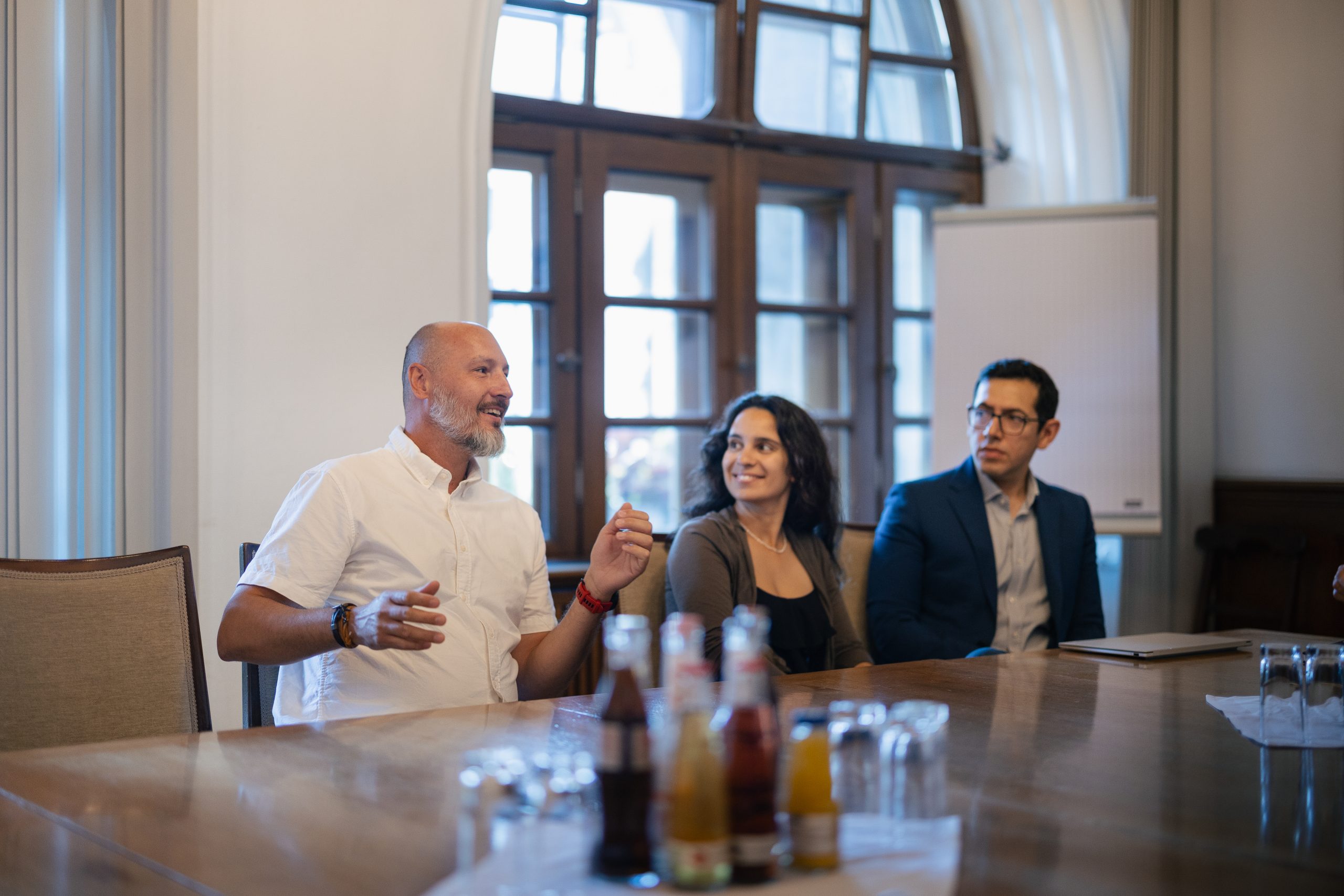
She highlighted the importance of political commitment and of exchanging experiences between cities, including what has worked well and what has not. The participants engaged in a lively discussion on the importance of political will and support to improve the road safety for all road users.
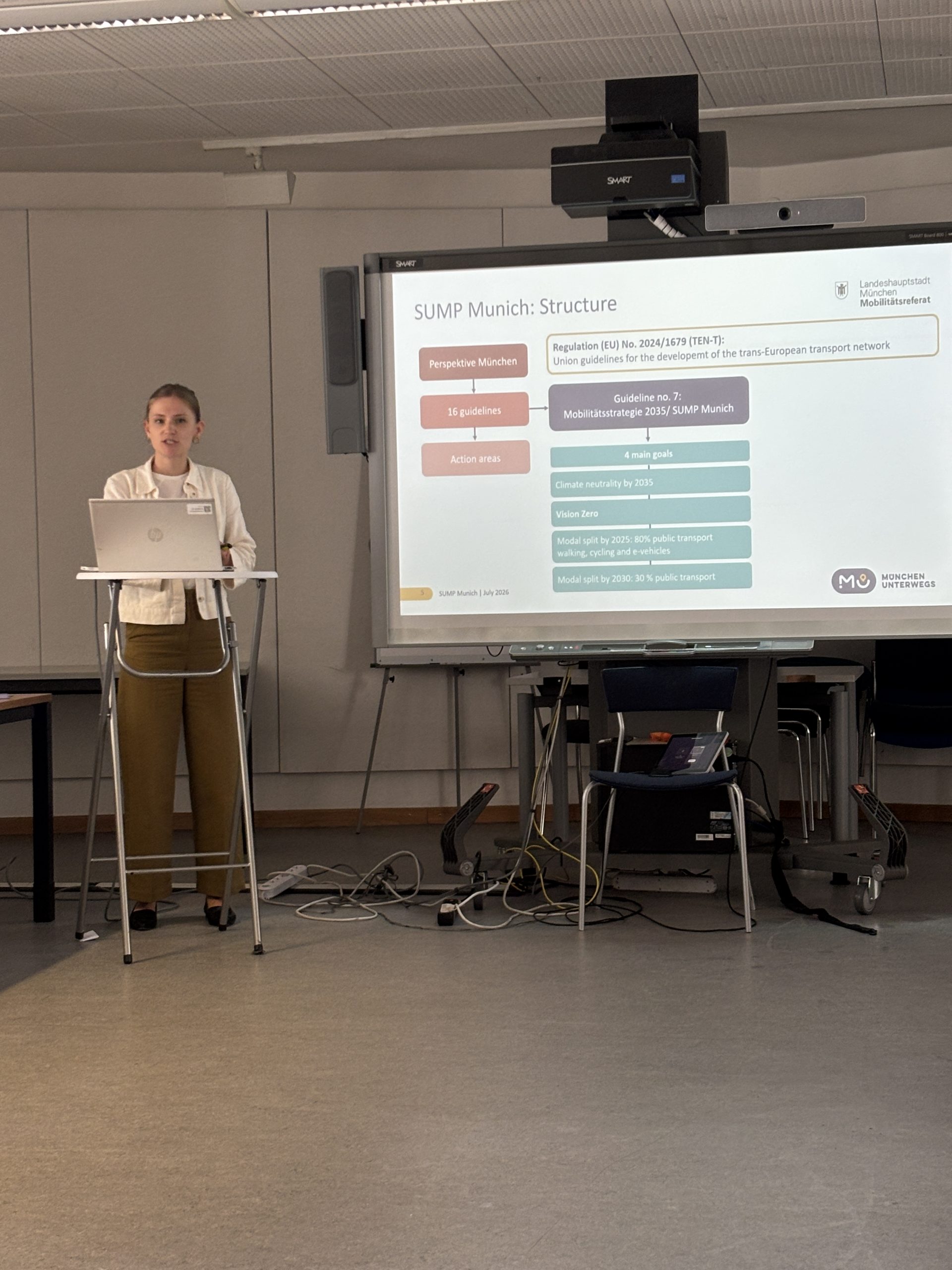
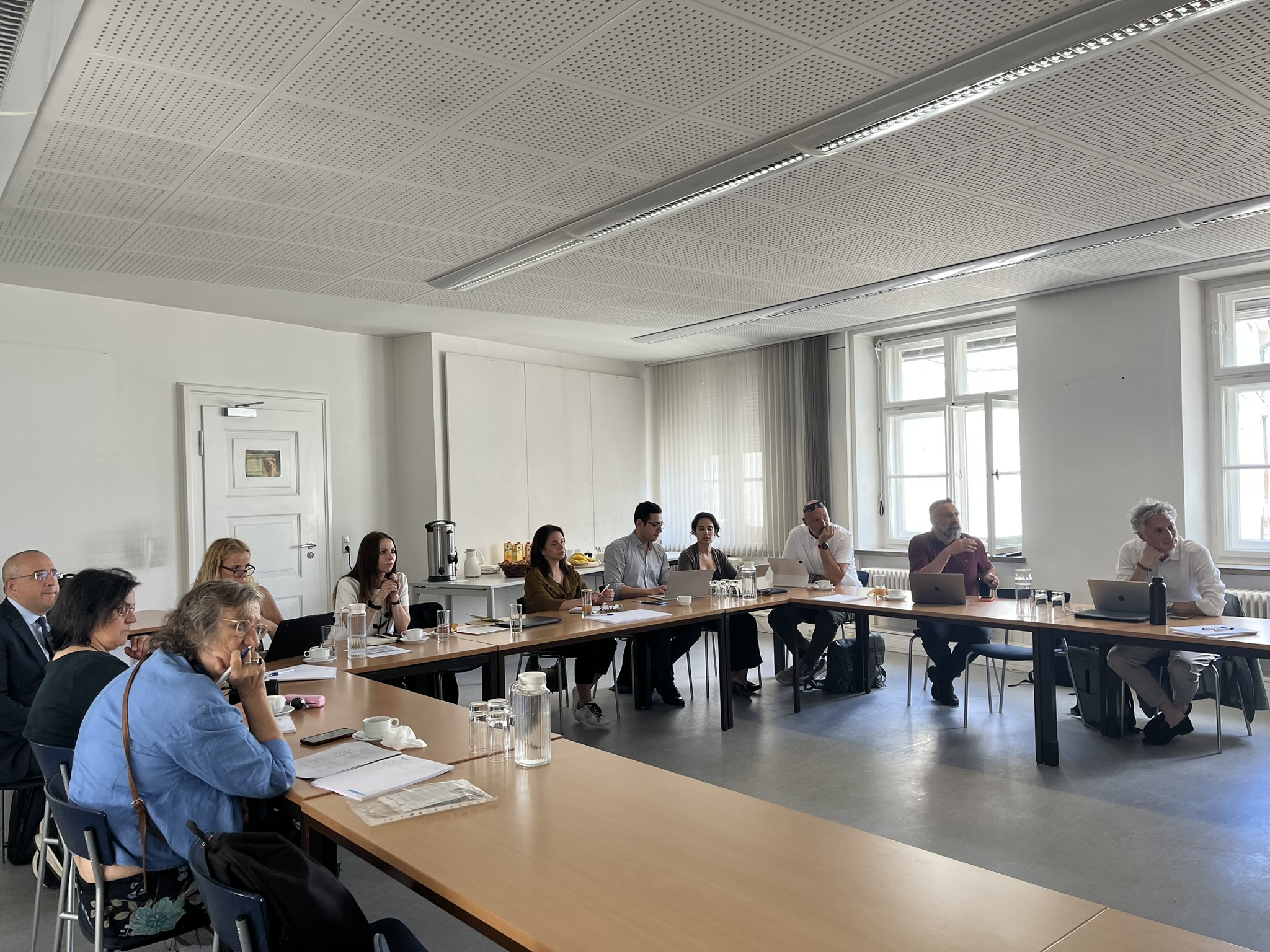
Discussions then continued with a presentation by Franziska Kirschner, Head of mobility strategy, on Munich’s Mobility Strategy 2035. She presented the city’s approach to managing urban mobility with a strong focus on public transport, walking and cycling. The strategy aims to increase the public transport modal share to 30% by 2030 and ensure that 80% of all journeys are made using sustainable modes of transport.
The presentation also introduced plans to develop around 200 mobility hubs across the city and highlighted the importance of coordinating transport planning at both city and regional levels.
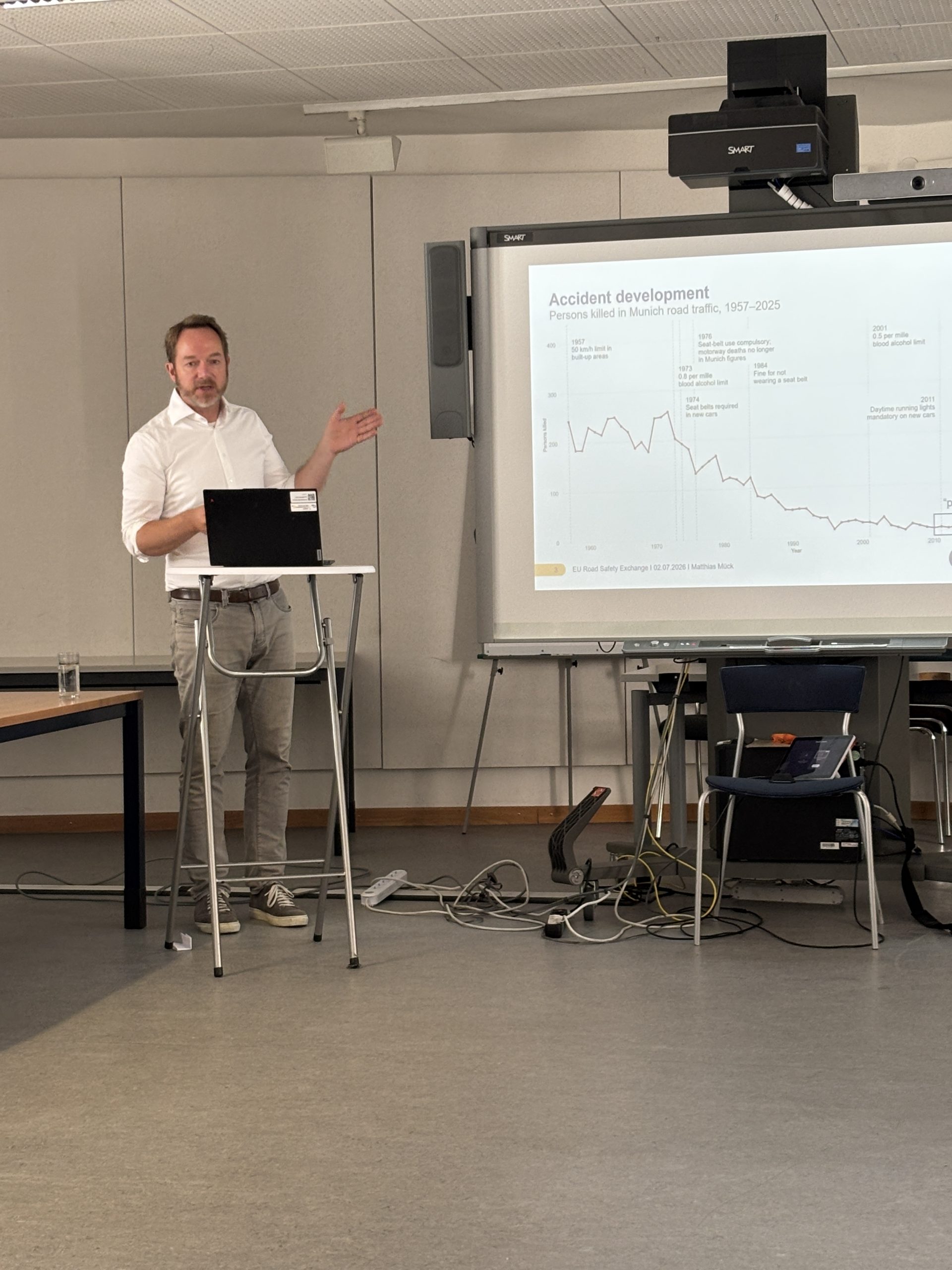
Matthias Mück, the Road Safety Coordinator for Munich, presented how the city uses data to guide its road safety work. The presentation showed how collision analysis helps identify priority locations and supports decisions on where safety measures are needed most, particularly for vulnerable road users, as walking remains a central part of everyday mobility.
He also discussed the challenge of delivering further improvements in a rapidly growing city with limited resources, highlighting the need to identify new game-changing measures to achieve further reductions in road deaths and injuries.
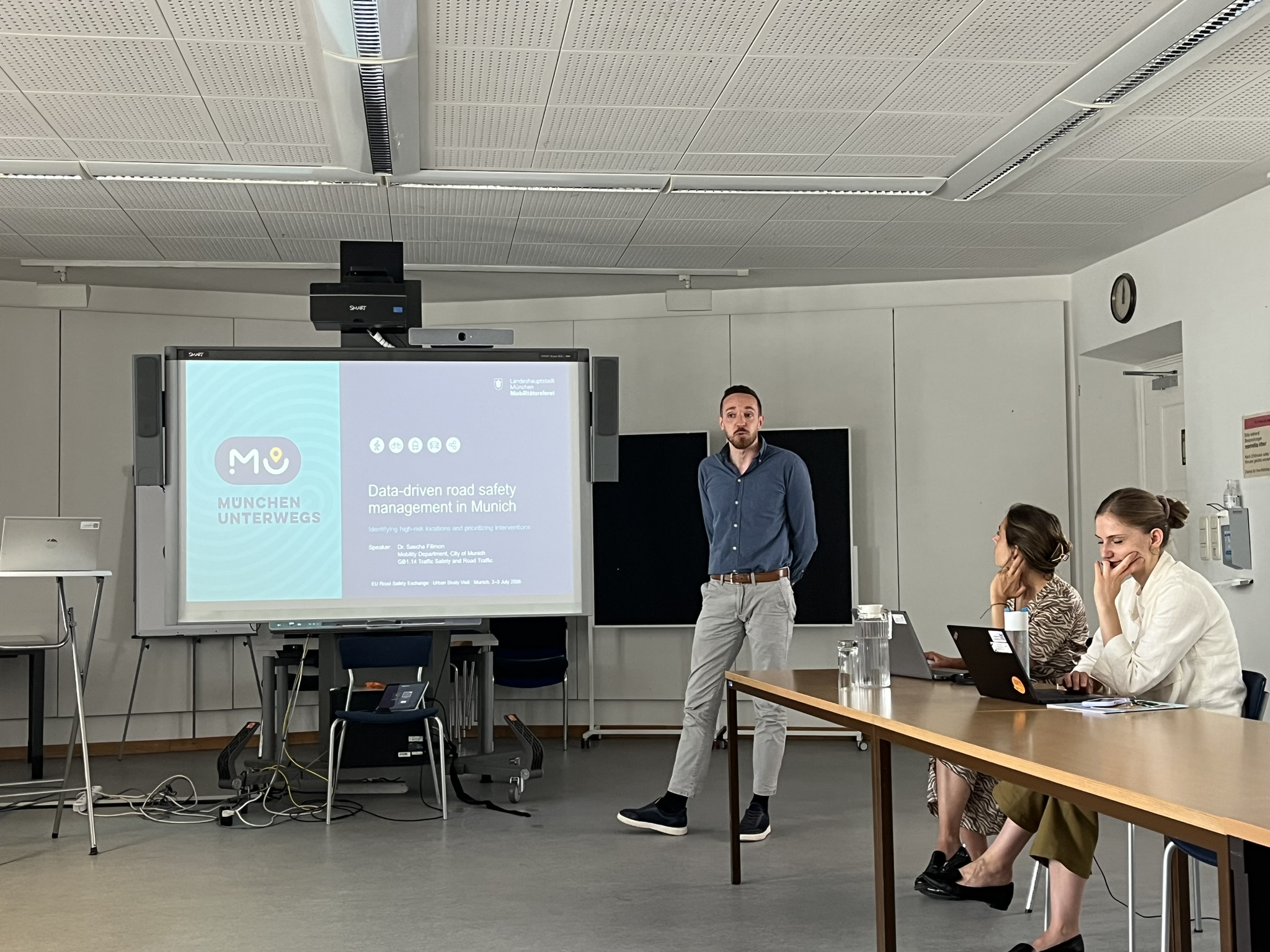
Expanding on Munich’s data-driven approach, Dr Sascha Filimon of the City of Munich’s Department of Mobility explained how police-recorded crash data form the objective basis for identifying high-risk locations and prioritising interventions. While under-reporting remains substantial, particularly for vulnerable road users, the most severe outcomes are recorded reliably – making severity-weighted analysis robust against these gaps.
He presented two complementary tracks: the statutory accident commission, which investigates crash clusters and every fatal crash on site, and the Safe Junctions Working Group, which systematically screens all junctions and ranks them by the severity-weighted costs of recorded collisions to prioritise targeted measures. Surrogate safety methods such as conflict analysis were outlined as a future complement.
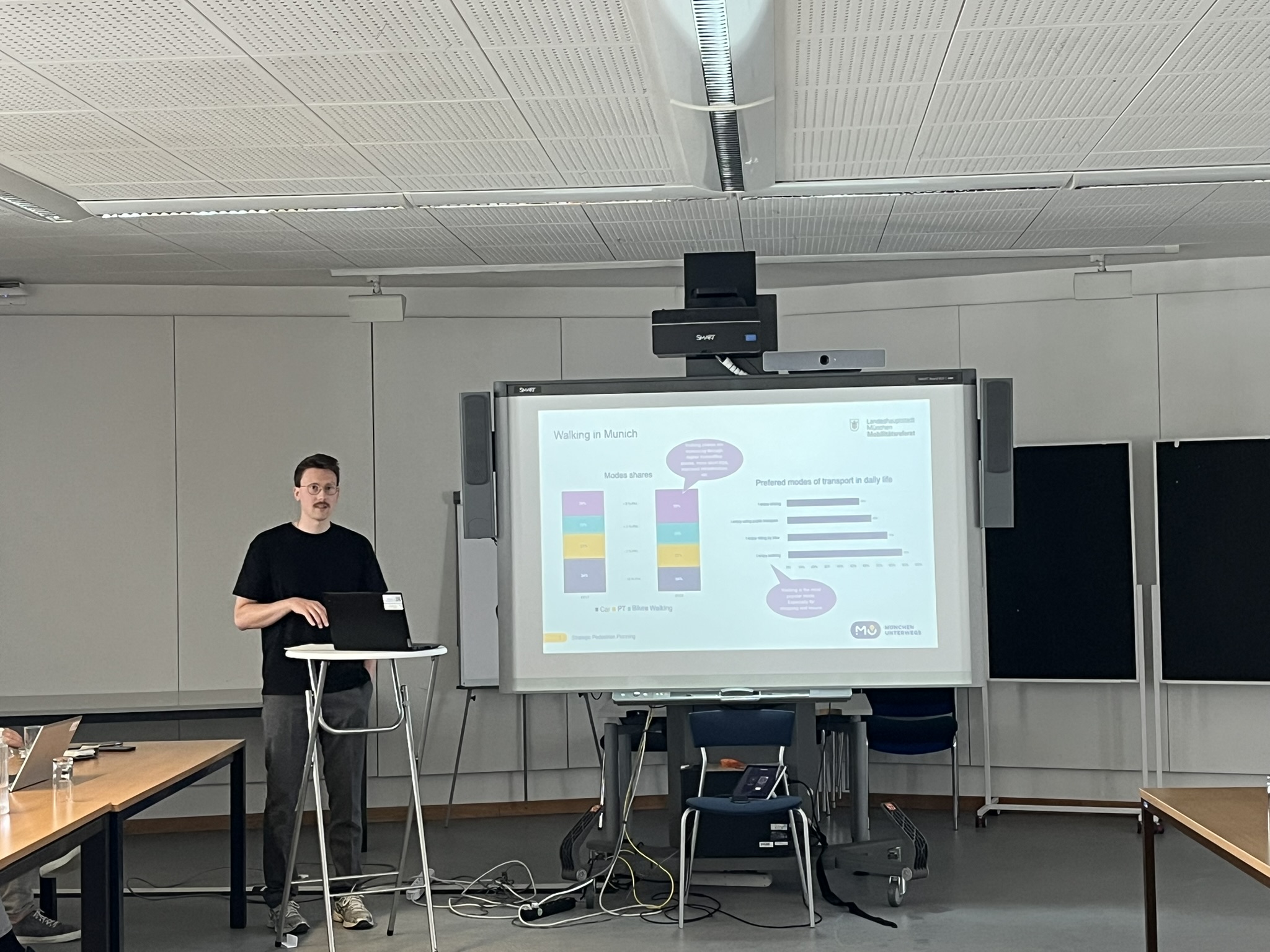
Moritz Brakman, Strategic Pedestrian Planner and Benjamin Glas, Head of Strategic Cycling Planning, presented Munich’s approach to improving conditions for people walking and cycling, supported by dedicated strategies for both modes. Examples included safer pedestrian crossings, on-demand extensions of green light phases for vulnerable road users, improved accessibility through lower kerbs at crossings, and inclusion walks to better understand how different users experience the city’s streets.
The presentation also highlighted ongoing improvements to Munich’s cycling infrastructure to make cycling a safer and more attractive option for everyday travel.
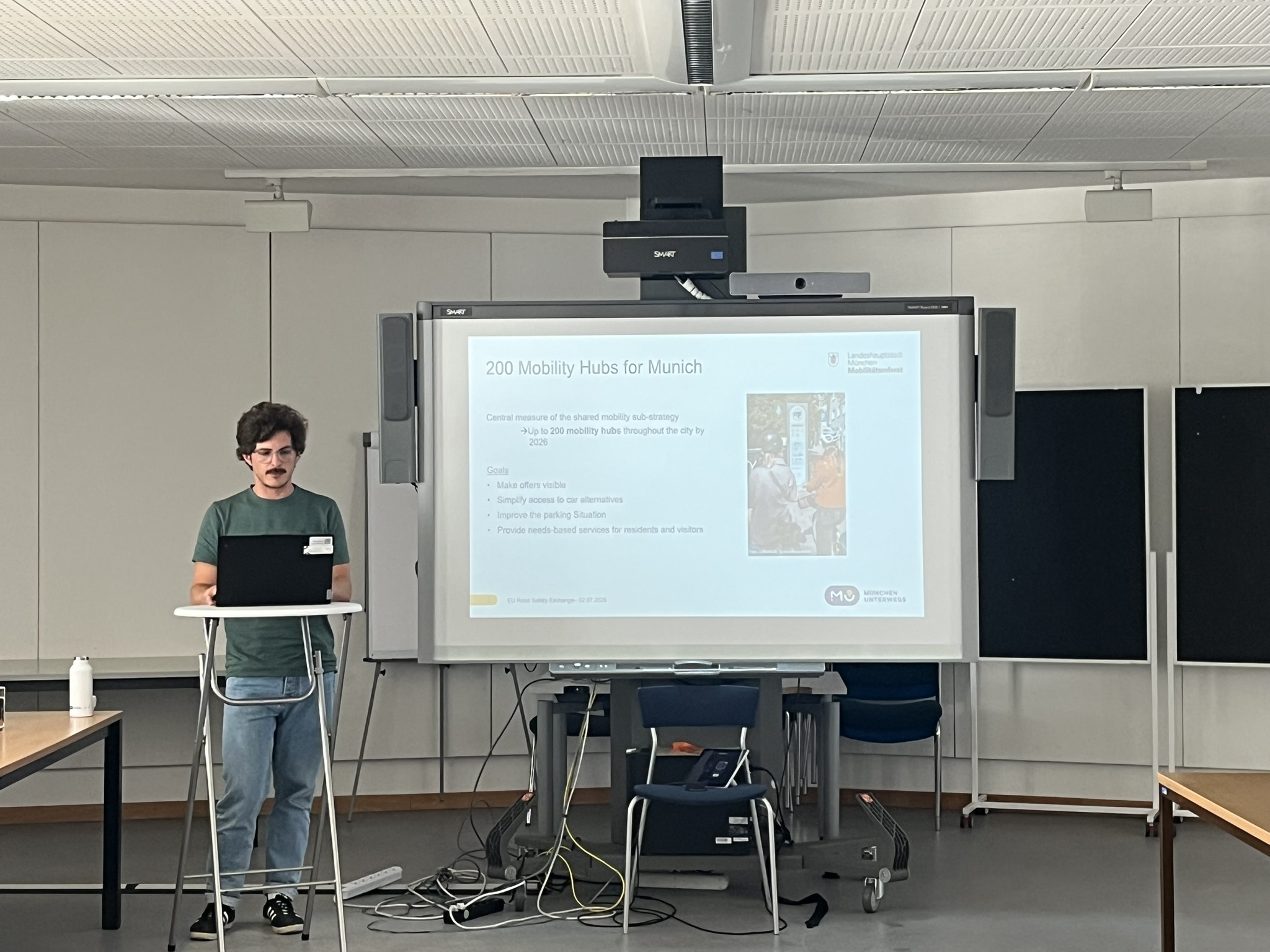
In the afternoon, Maximilian Mayer, Project Manager Shared Mobility, presented Munich’s approach to shared mobility, focusing on the opportunities and challenges associated with e-scooters and e-bikes.
He explained how the city’s current voluntary agreements with shared mobility operators are working in practice, experience gained so far, and the planned move towards a stricter regulatory framework. The presentation also covered the role of mobility hubs in supporting multimodal travel.
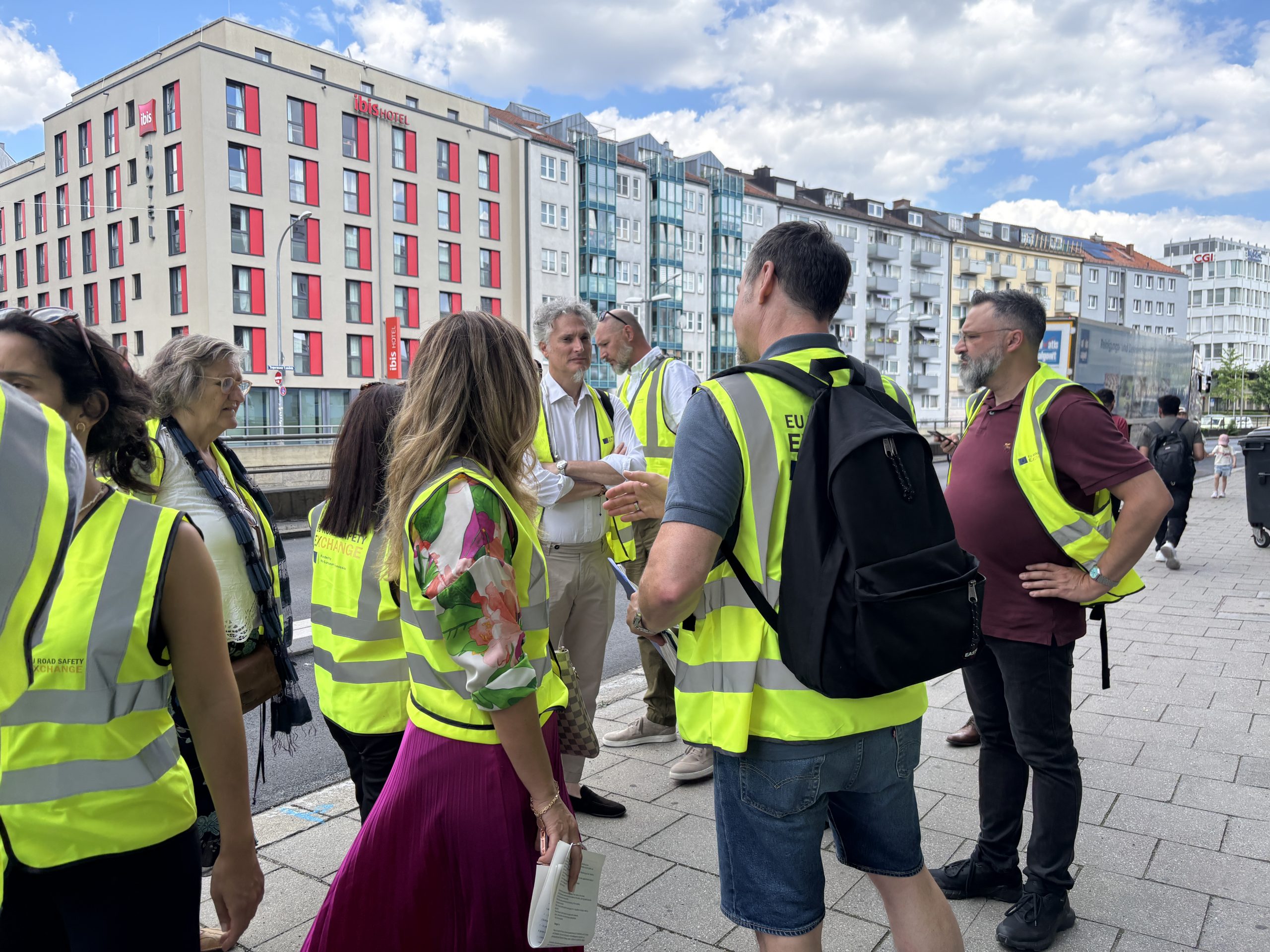
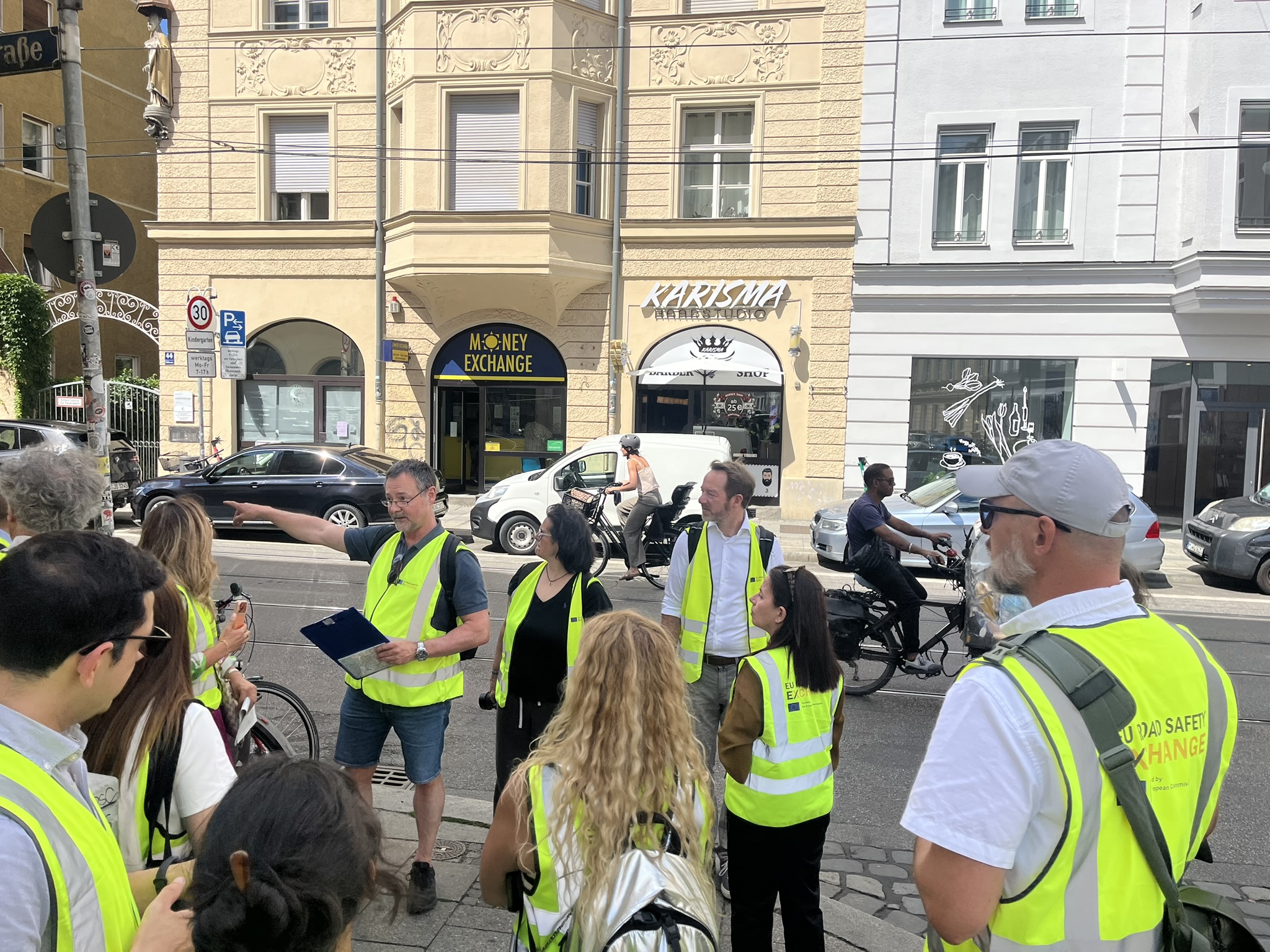
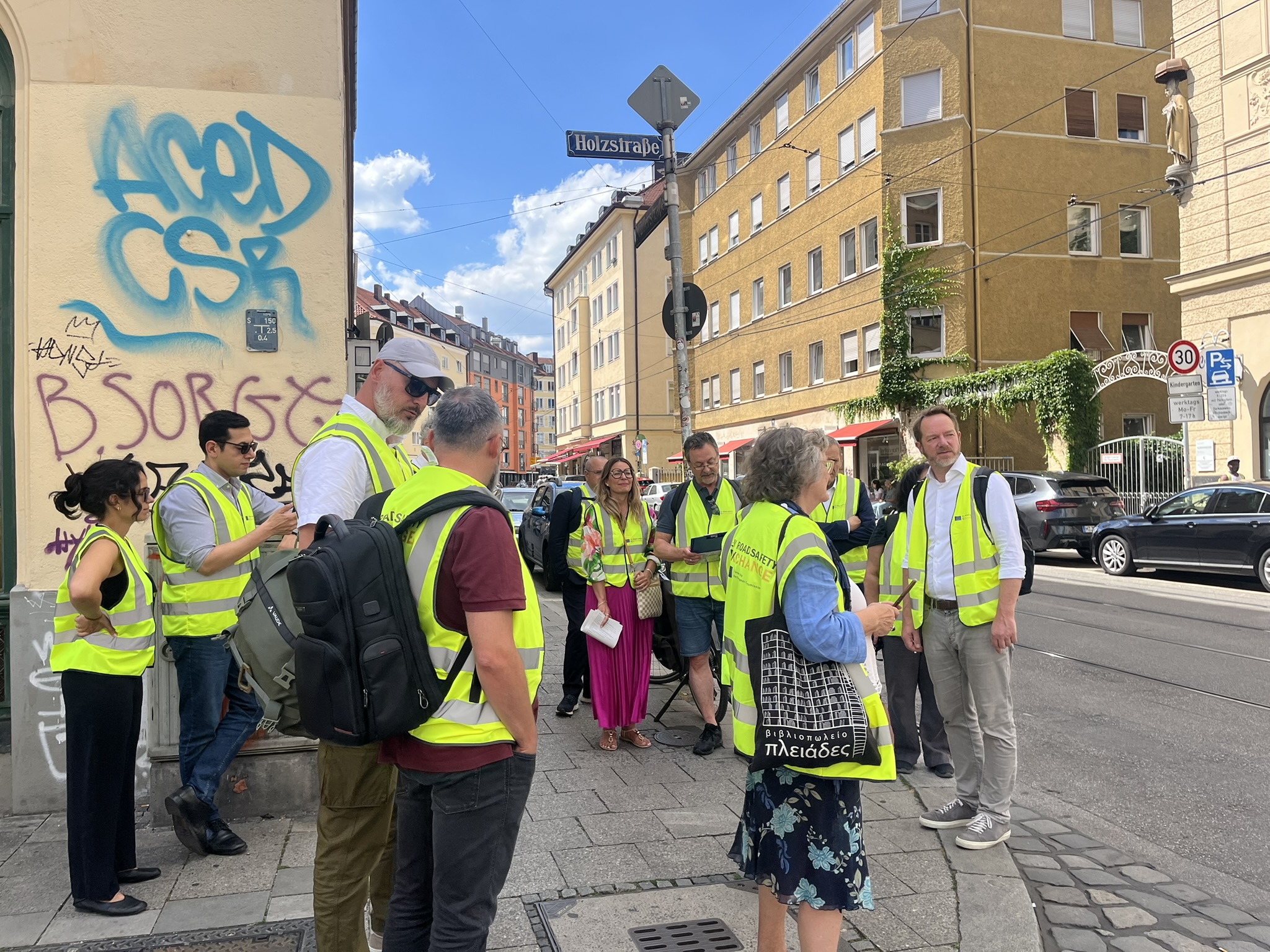
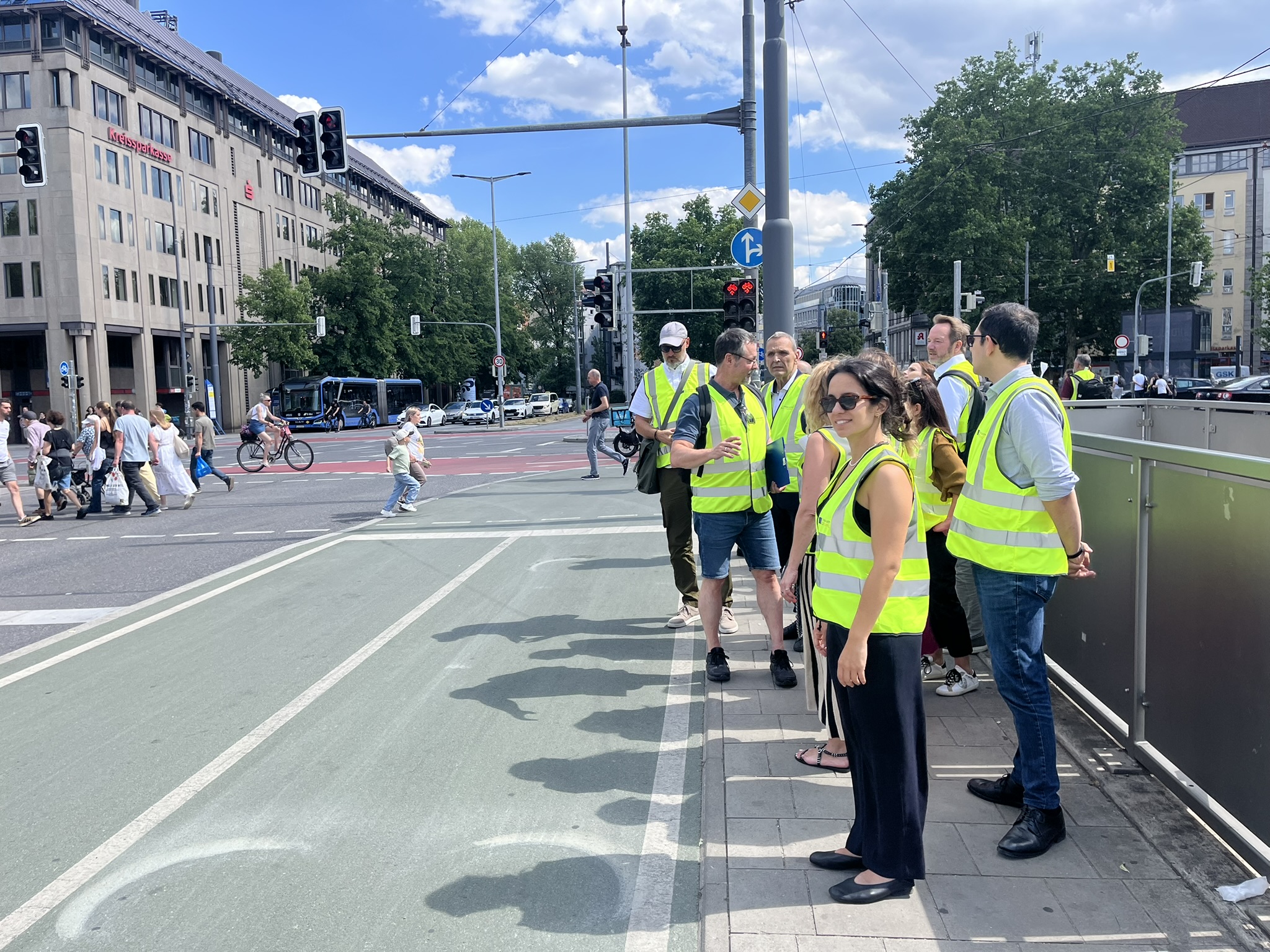
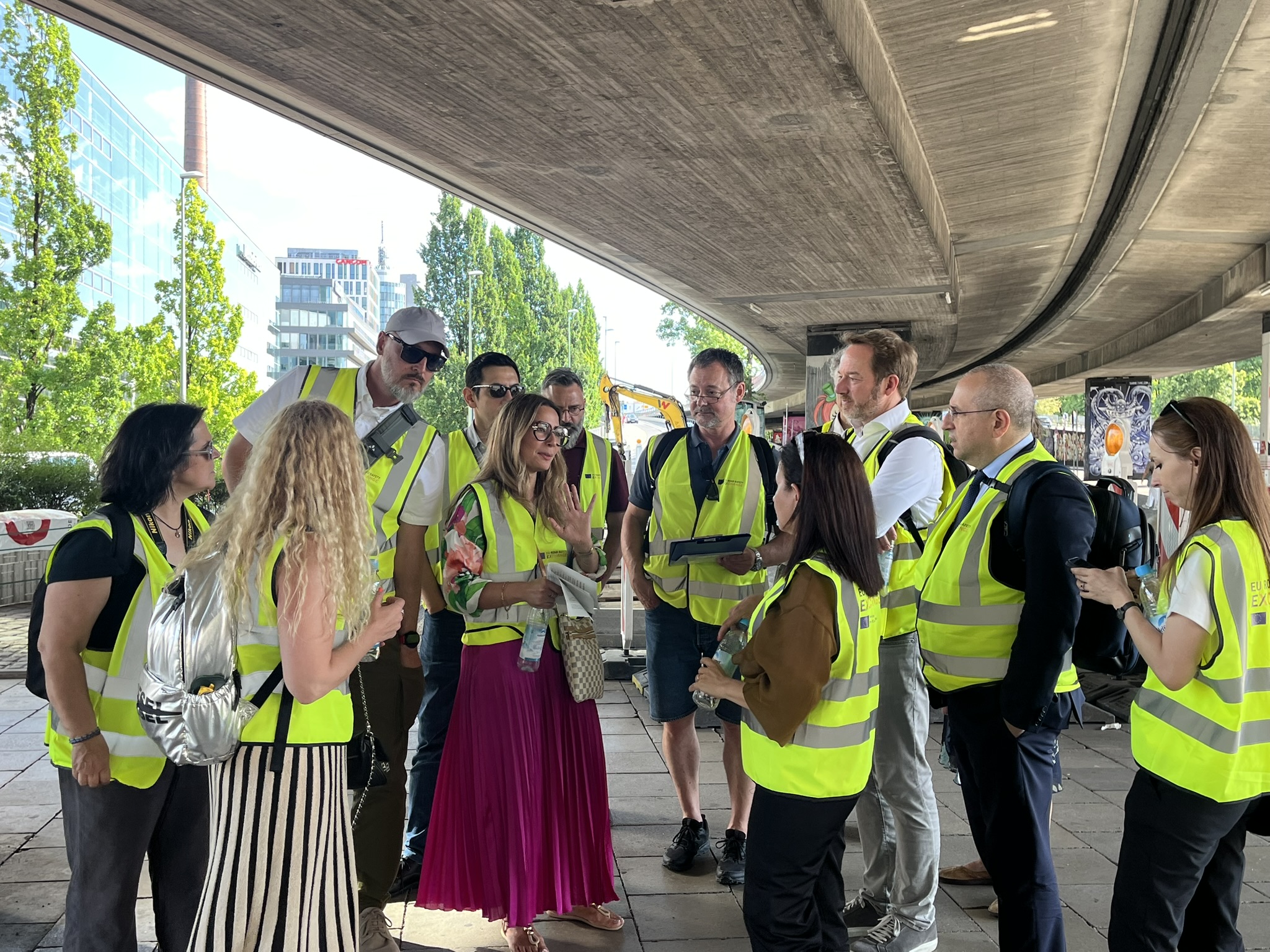
The first day concluded with a guided tour, led by Robert Zach, Infrastructure Safety Coordinator, across Munich, showcasing practical examples of the measures discussed during the presentations. The tour included redesigned junctions, cycling traffic signals, temporary infrastructure interventions and other improvements introduced at identified high-risk locations across the city. The solutions implemented by the city raised discussions among participants regarding their own approaches.
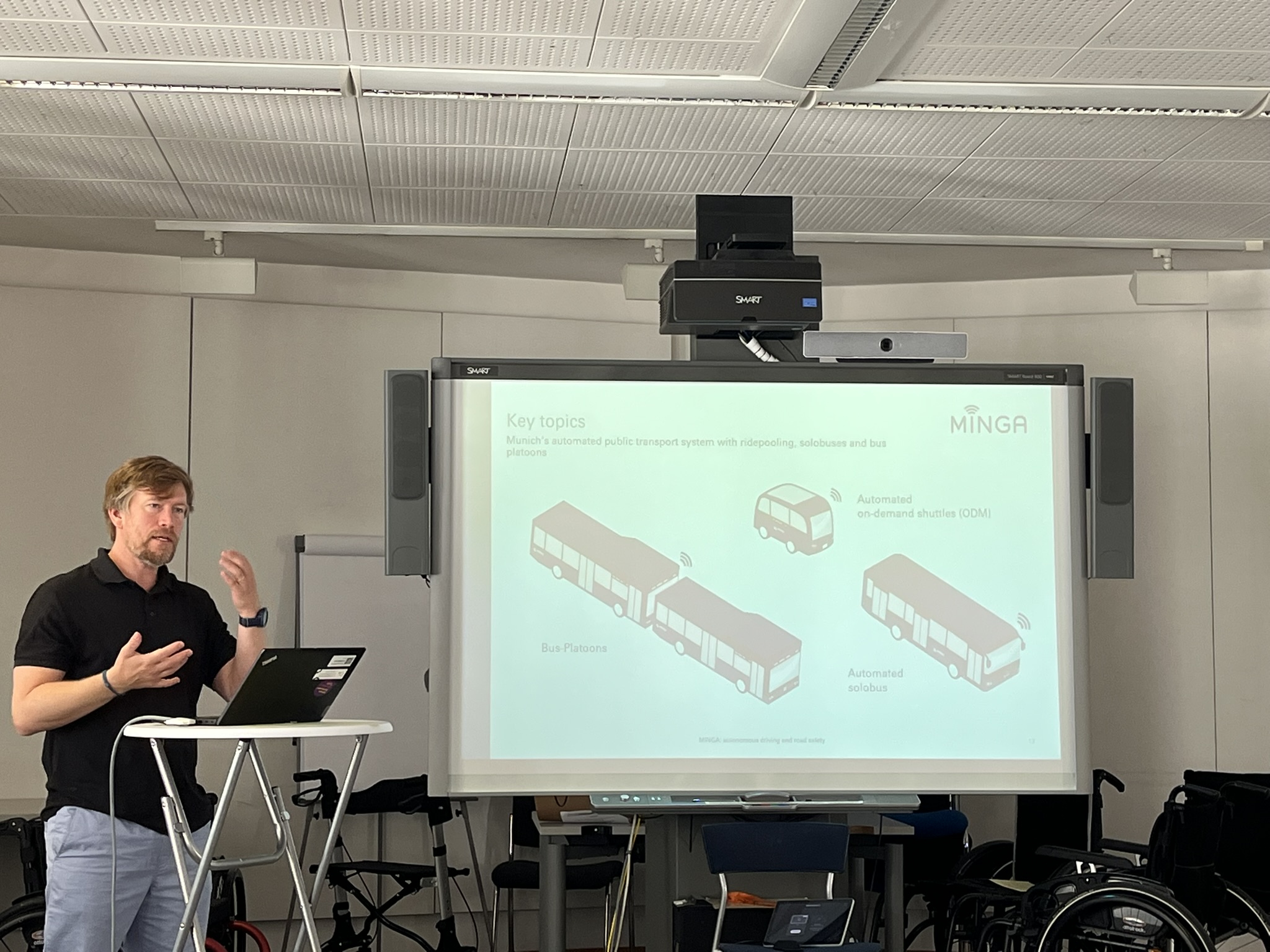
The second day began with a presentation by Christopher Helf, Head of new mobility and innovation, on Munich’s pilot projects in automated mobility, including bus platooning, automated solobus services and on-demand shuttle services.
The discussion focused on the practical challenges of integrating these new transport solutions into the existing transport system while ensuring they can operate safely alongside other road users.
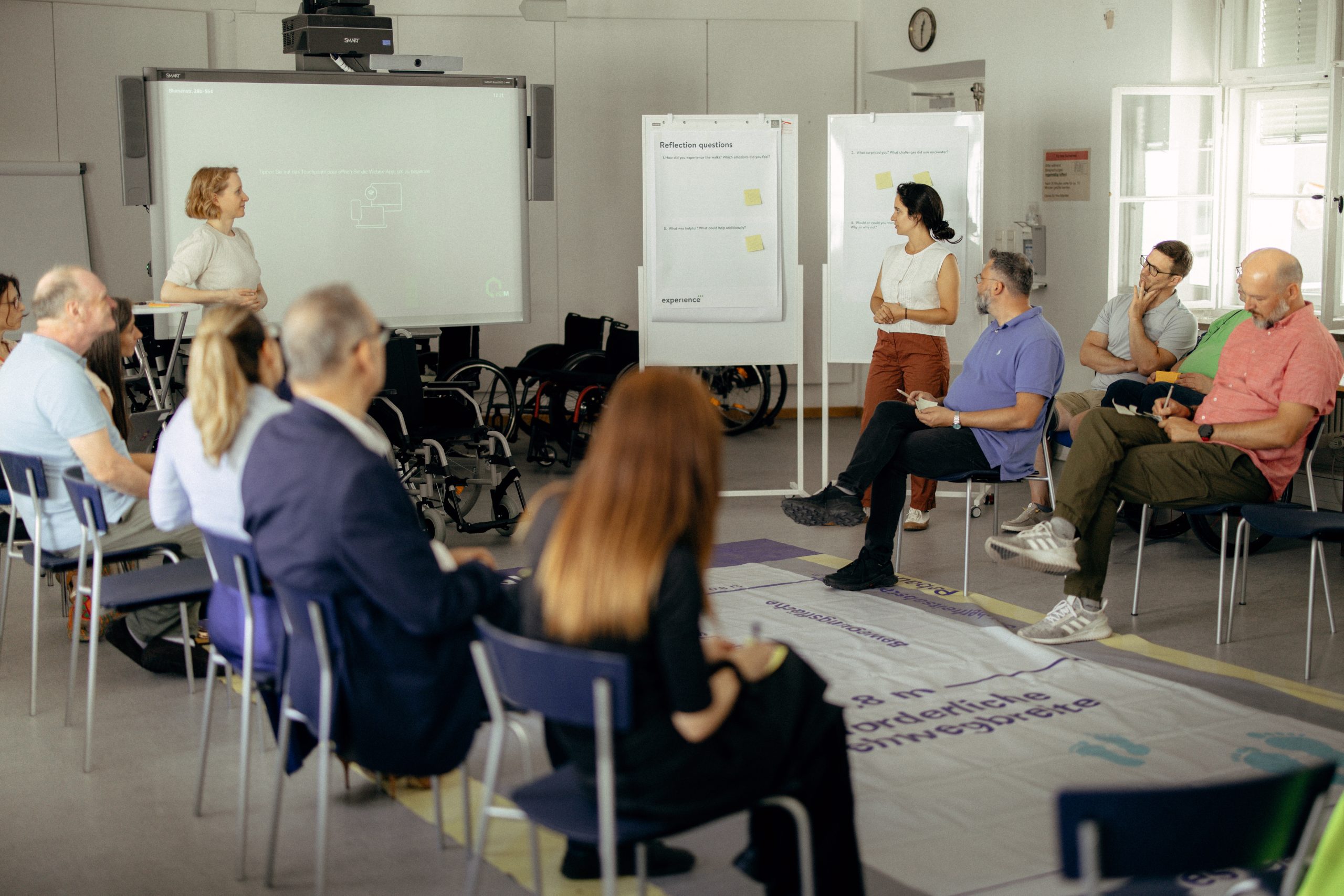
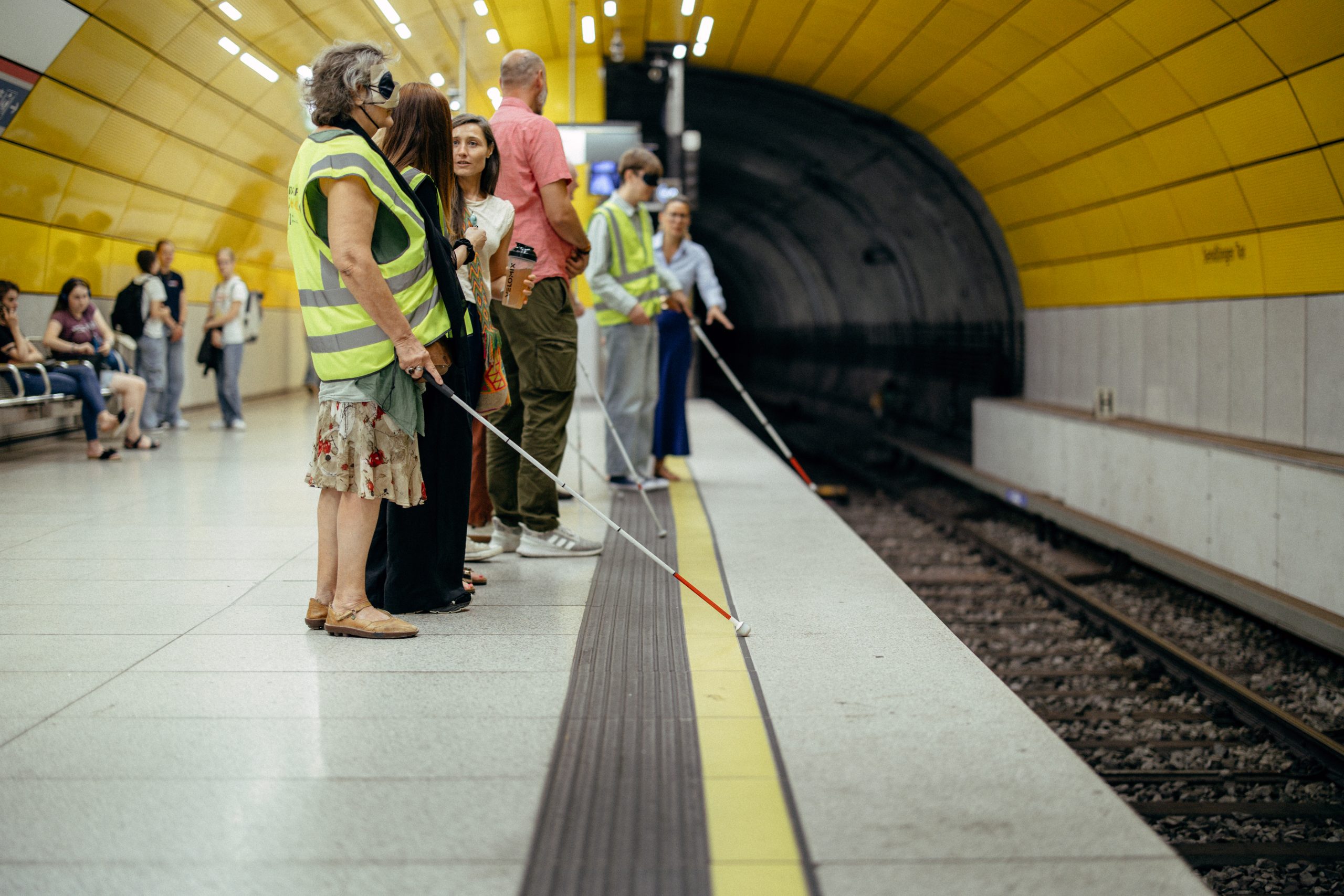
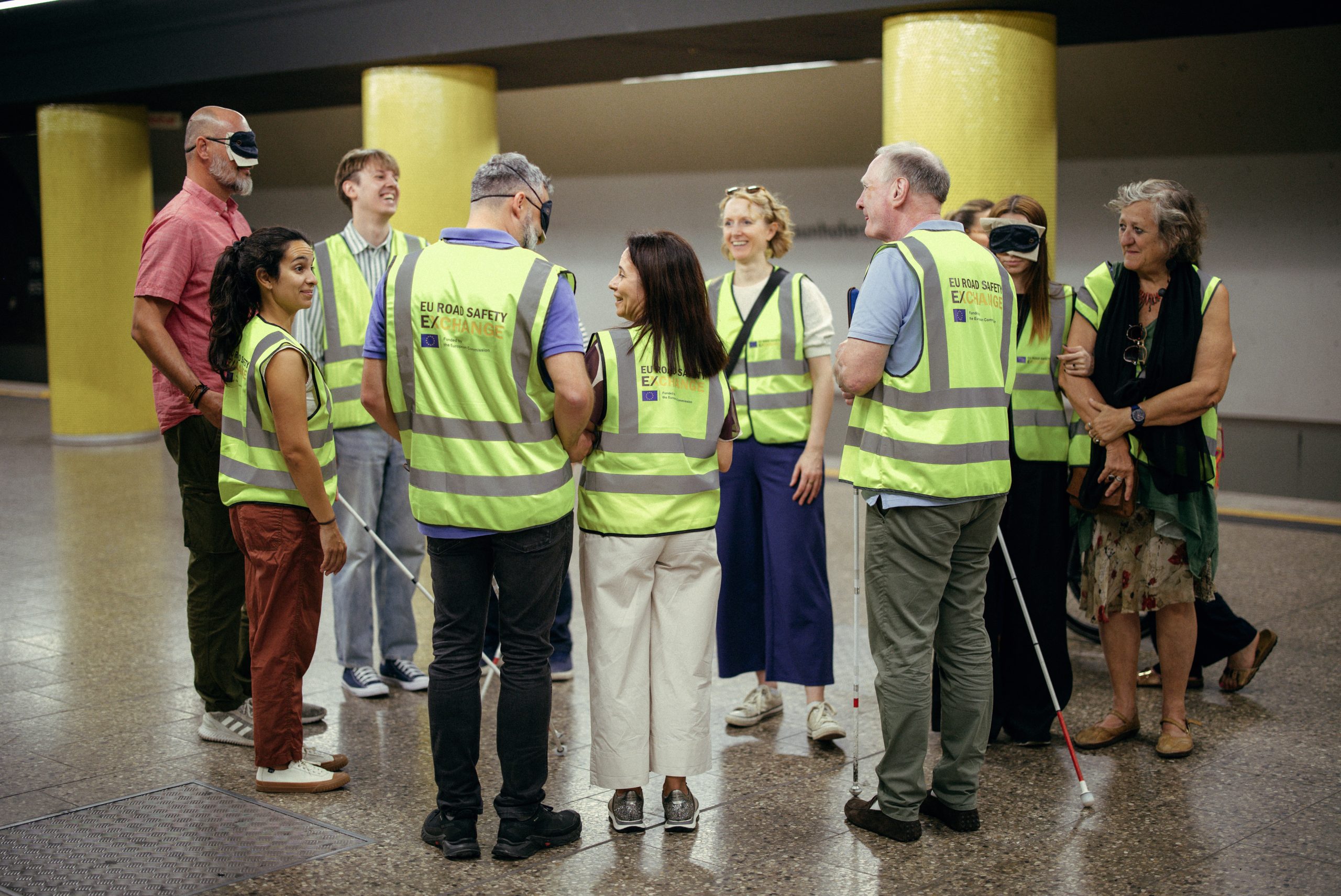
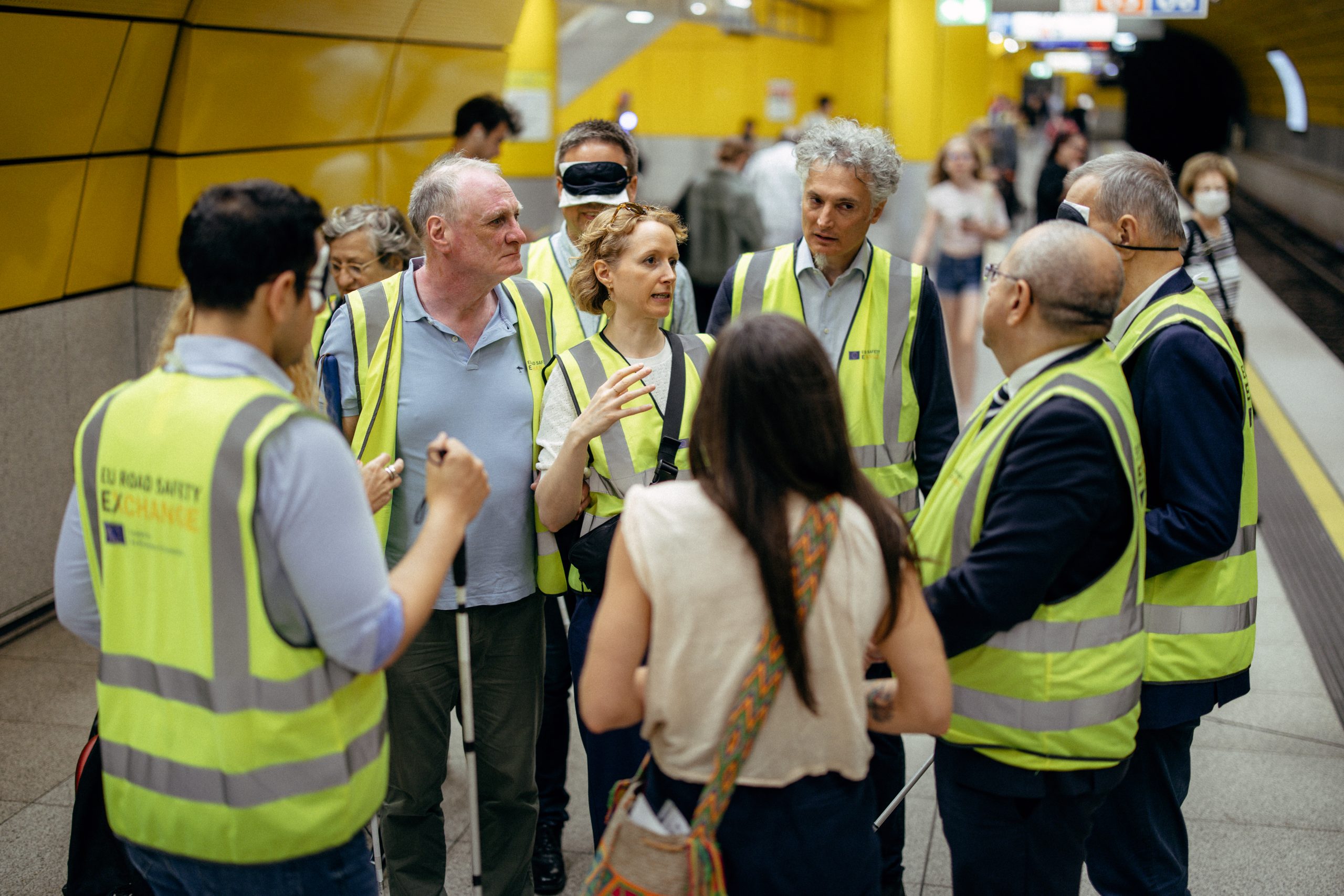
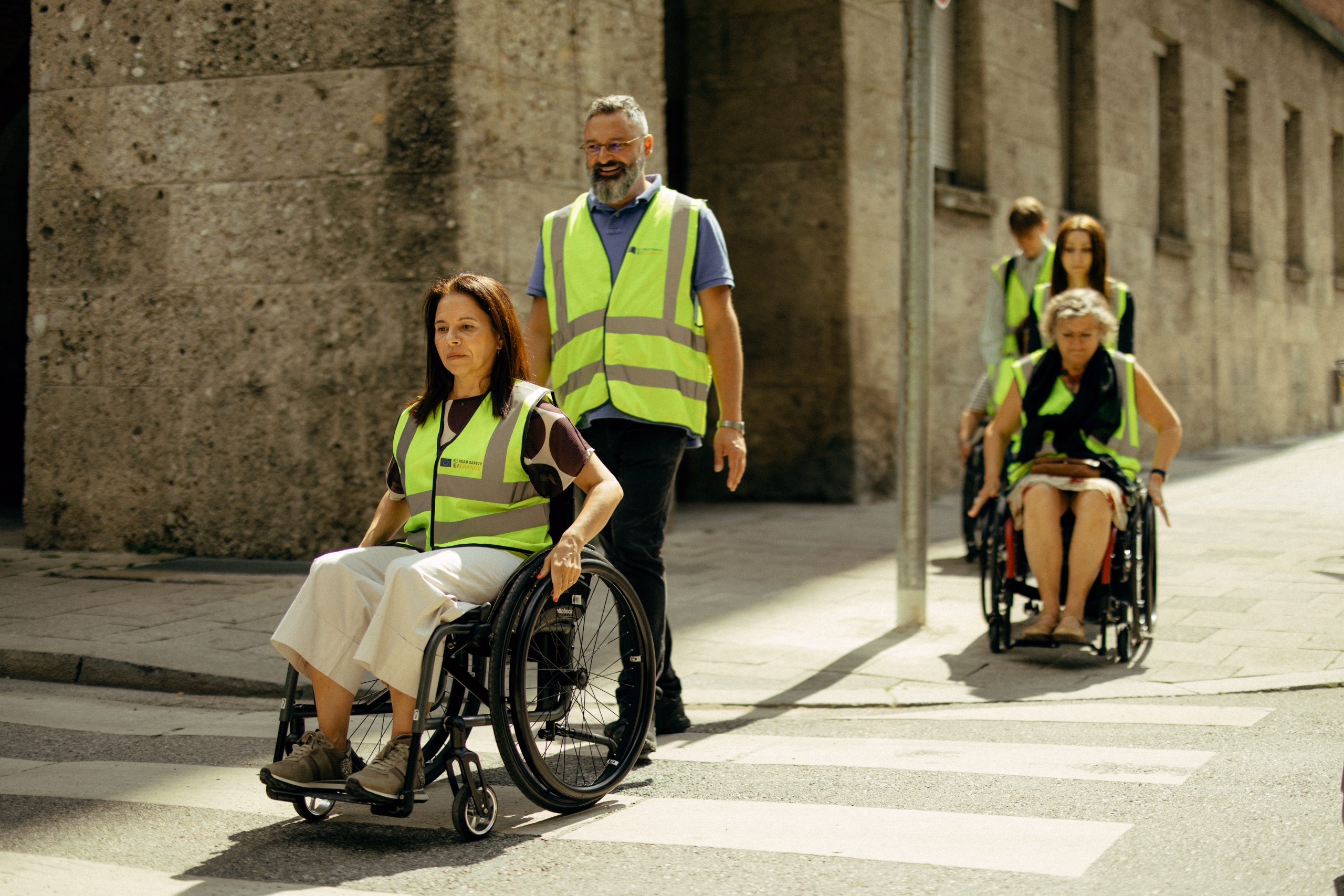
One of the highlights of the visit, participants then took part in a guided accessibility tour, accompanied by a wheelchair user and a visually impaired guide who shared their everyday experiences of navigating Munich, with support from Stefanie Pilcz, Project Manager for Accessibility, Inclusion, and Gender Planning, and Marianne Pfaffinger, Researcher Sustainable Development at LMU.
Participants experienced the city from a different perspective by moving in a wheelchair or while wearing a blindfold and using a white cane, gaining a better understanding of the everyday challenges of moving around safely, independently and using public transport.
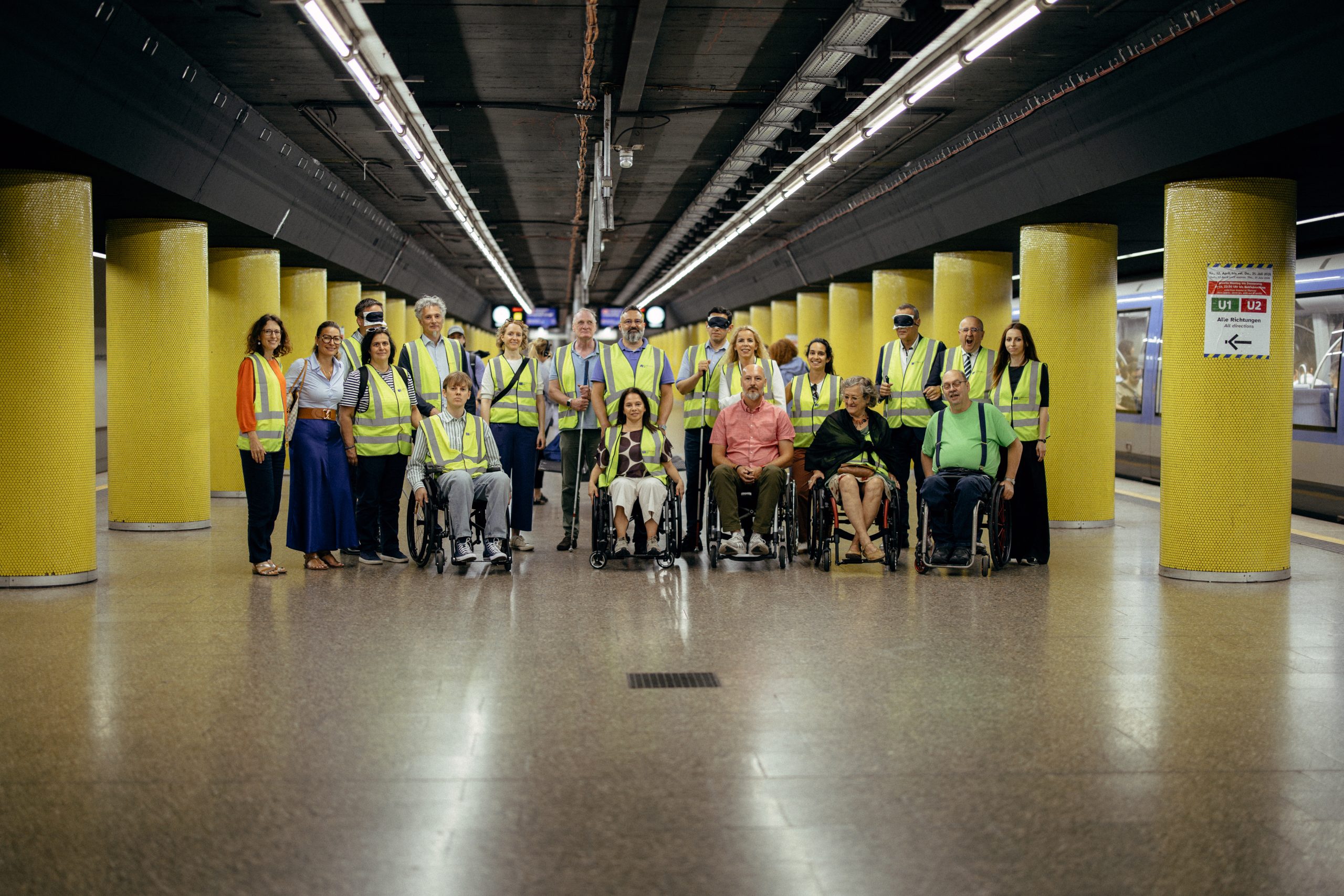
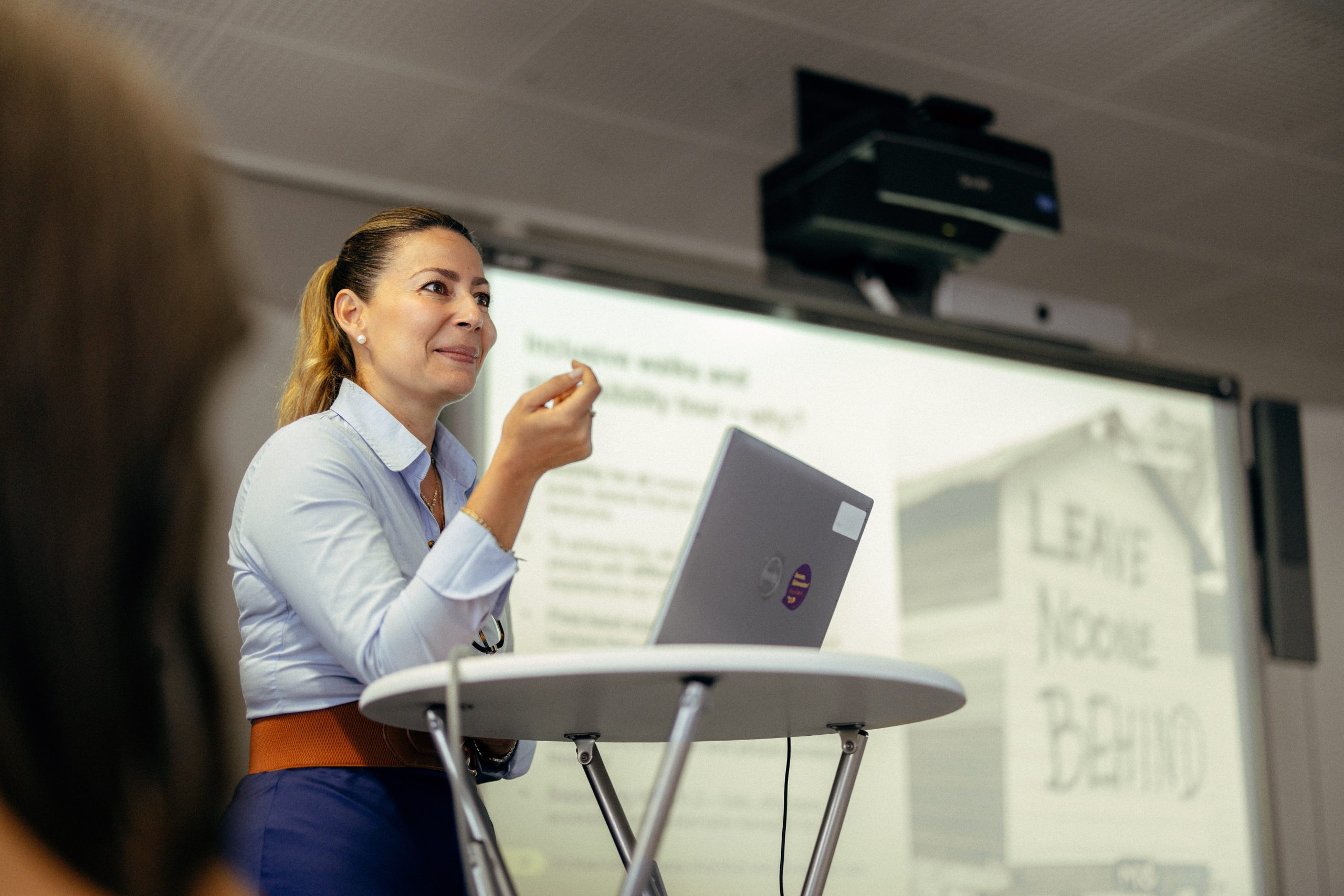
The tour concluded with a discussion on the key takeaways from the exercise and the importance of considering accessibility in urban mobility planning. This was followed by a presentation from Sofía Salek de Braun, Public Relations Coordinator for Road Safety, on the role of public communication in achieving Vision Zero. She presented Munich´s evidence-based “Merci Dir” campaign, which uses behavioural science and positive communication to encourage safer behaviour.
Through several practical case studies, she demonstrated how effective communication can support the implementation of road safety measures, build public trust and ultimatelyincrease public acceptance of those measures..
The study visit provided participants with an opportunity to discuss a wide range of urban road safety topics and see how Munich is addressing current mobility challenges through infrastructure, data-driven planning, shared mobility, automation and accessibility measures.
EU Road Safety Exchange creates a network of road safety professionals committed to sharing good practice and making safer roads across the EU.