Leiden and Amersfoort urban study visit on Cycling Safety and Street Calming 2026
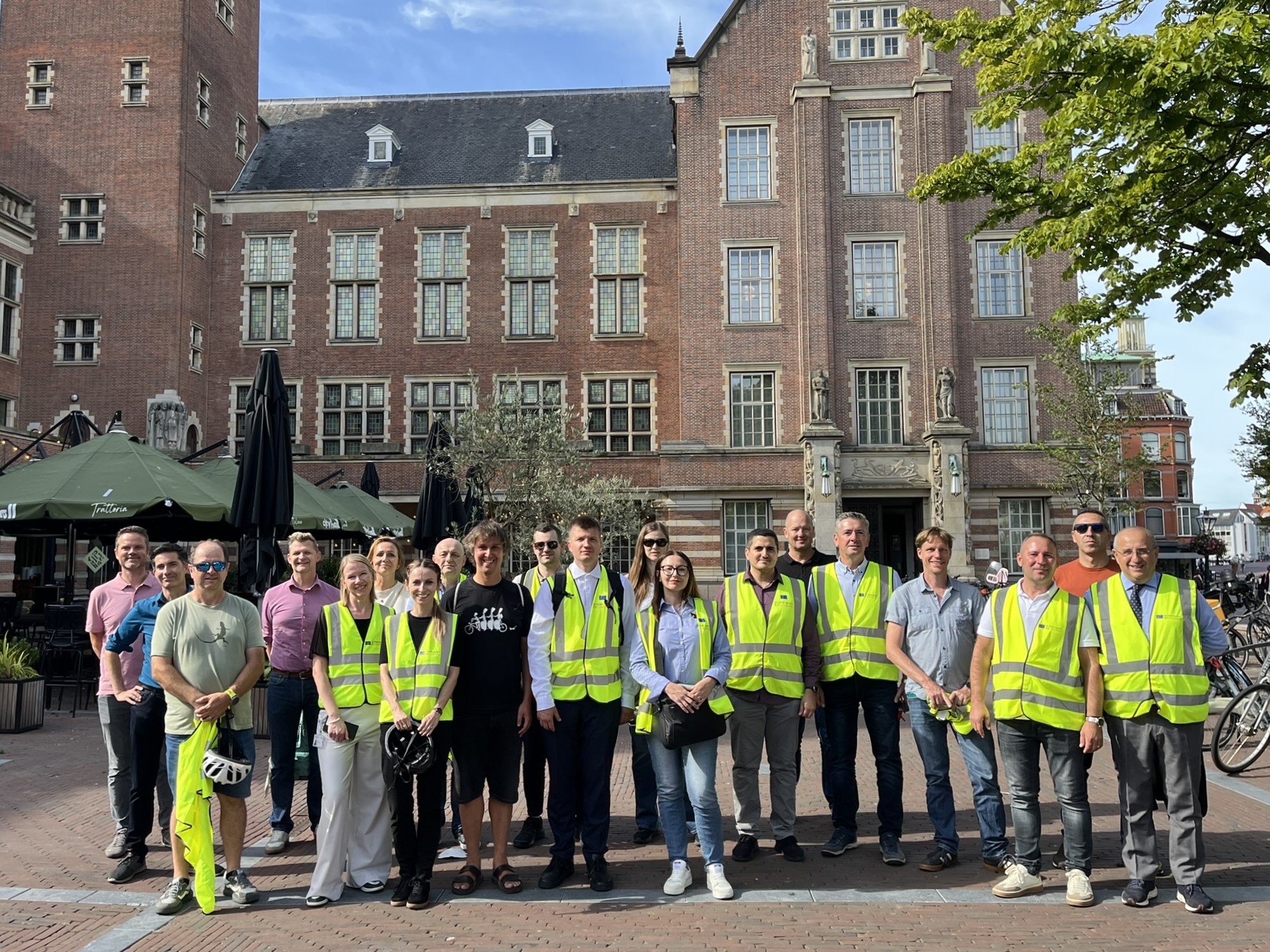
The fourth urban study visit organised as part of the EU-funded EU Road Safety Exchange project took place in the Netherlands on 7–8 September 2026.
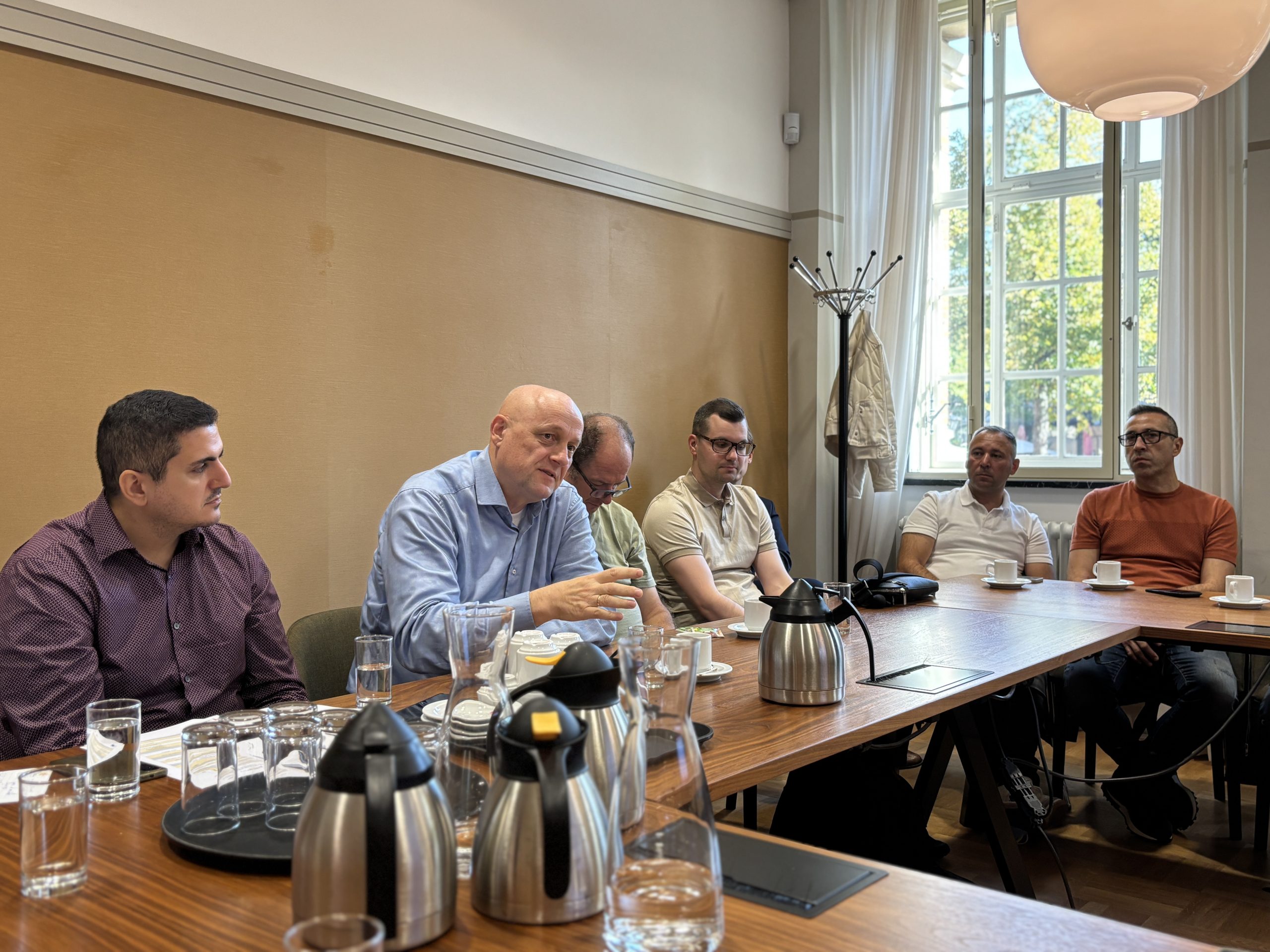
Hosted by the Cities of Leiden and Amersfoort, the visit brought together representatives from local and national authorities across Europe, including Brussels (Belgium), Helsinki (Finland), Riga & national authorities (Latvia), Szeged (Hungary), Brno (Czechia), Košice (Slovakia), Pitești (Romania), and national authorities from Cyprus to o explore practical solutions for street safety and active travel.
The visit opened at Leiden City Hall with a welcome from Ashley North, Alderman for Mobility, who introduced the city and its dedication to creating a safer, more accessible urban environment for all road users. He highlighted the vital role of peer-to-peer exchanges in helping cities learn from each other’s real-world successes and setbacks.
Emphasising that urban centers across Europe face similar pressures, he stressed the need to cooperate, pool expertise, and align strategies when addressing shared mobility and road safety challenges to reach zero traffic deaths.
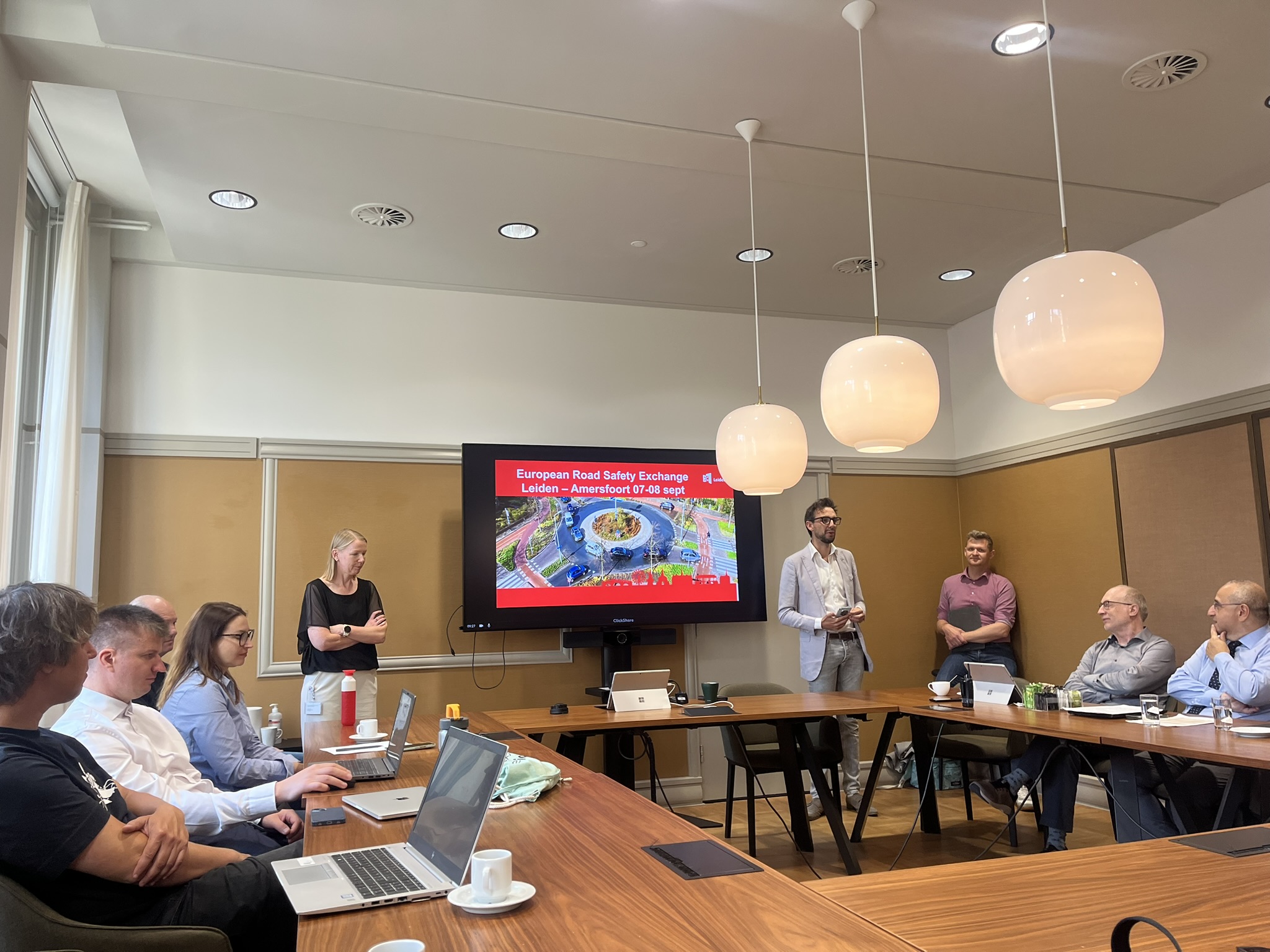
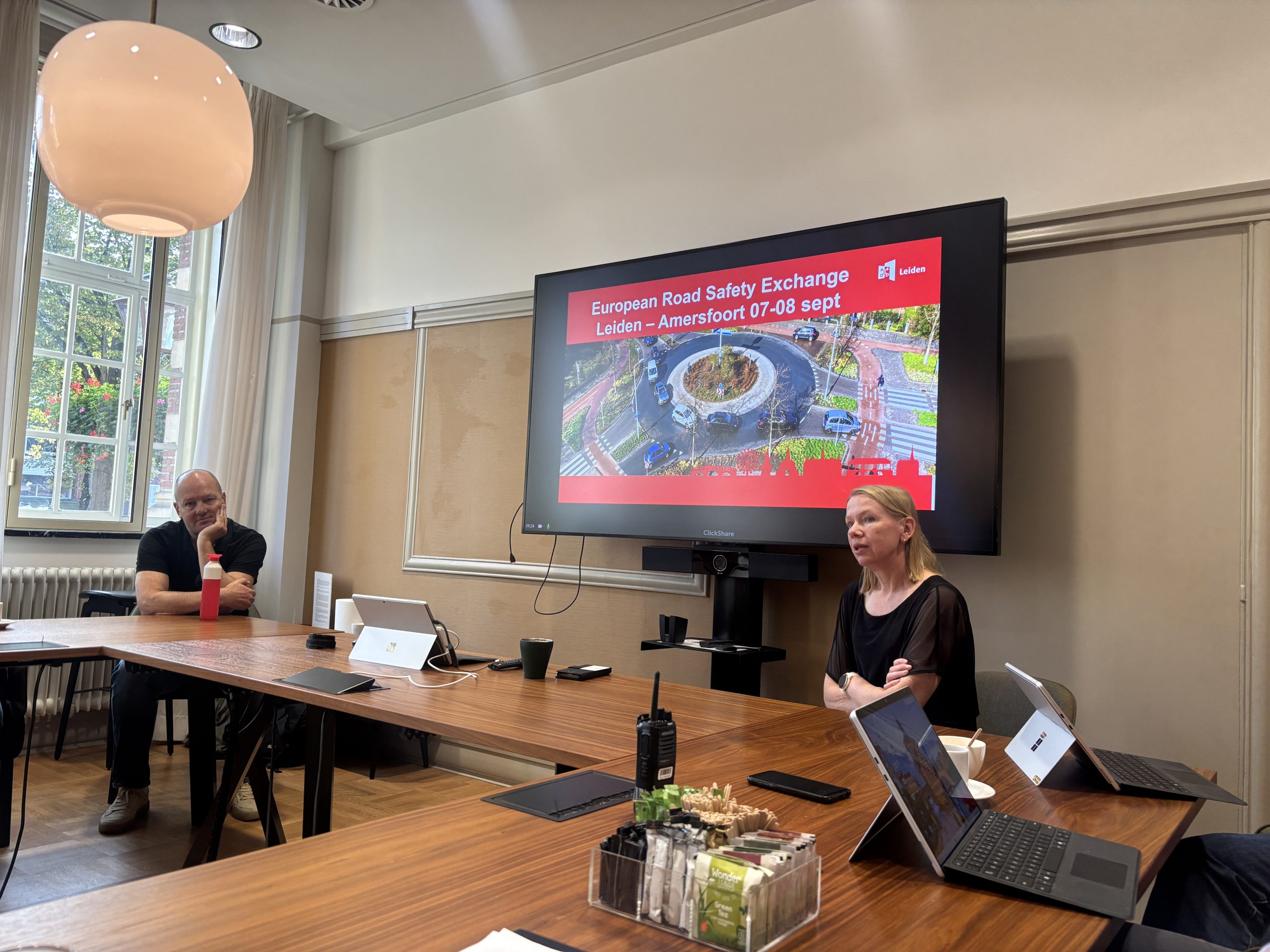
Jolieke de Groot presented an overview of road safety in Leiden. Given its young population and large student community, cycling dominates local transport while car use remains low, especially near the city centre. Leiden relies on engineering, education, and enforcement, aiming to apply a 30 km/h speed limit to over 80% of its streets.
To better understand road safety, Leiden has used ambulance data since 2025 to track minor incidents missed by police records, such as pedestrian falls and single-bicycle crashes. The city also surveys traffic safety perceptions; despite an 80% safe rating in 2025, feedback highlights specific areas needing improvement.
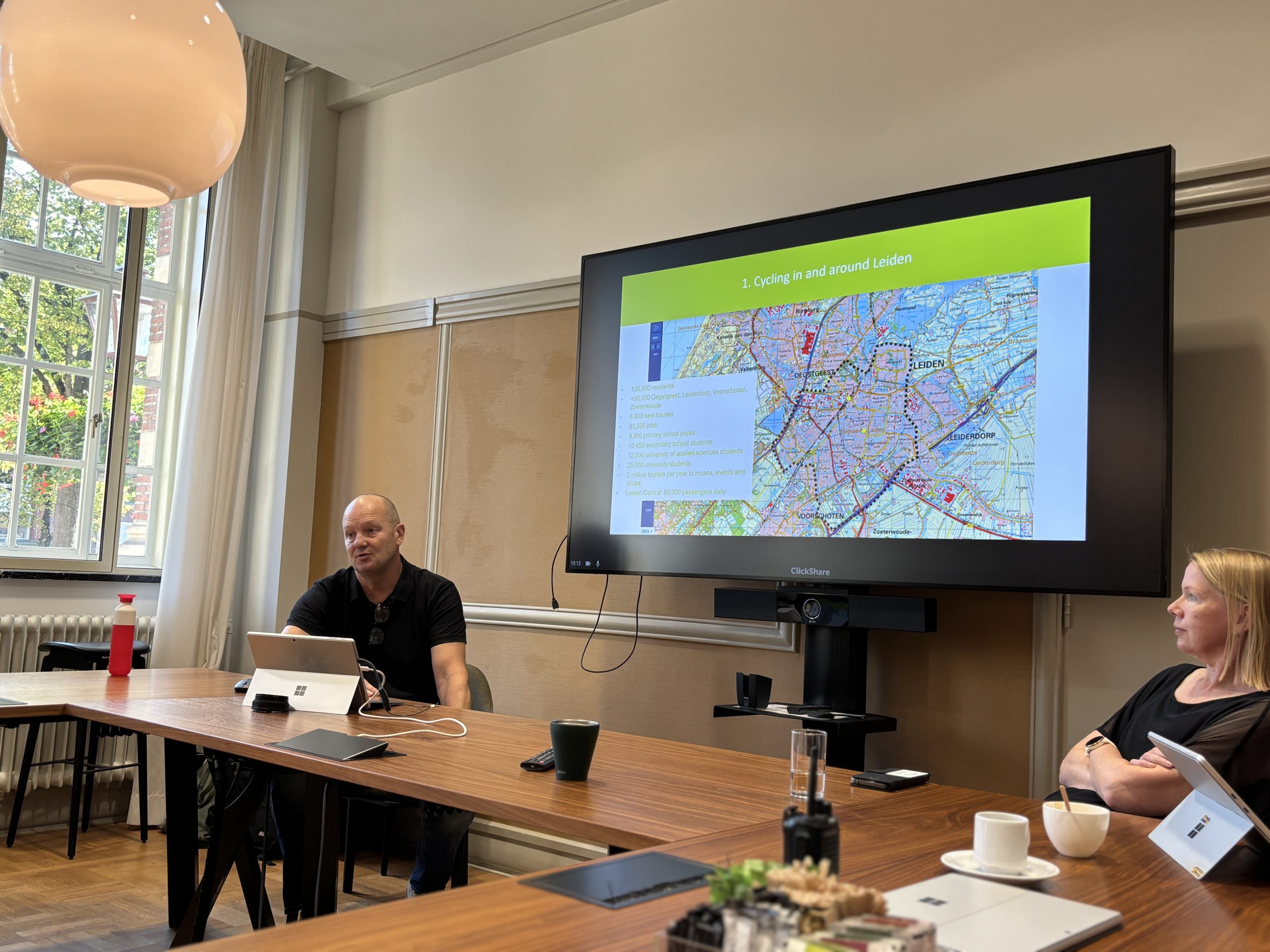
Hendrik de Vries then presented Leiden’s approach to developing its cycling network and discussed the balance between safety and limited space in urban areas. He explained how cycling is central to the concept of a 15-minute city, allowing residents to reach essential services and facilities within a short bicycle ride.
As Leiden continues to grow, the city is planning its future cycling network alongside new urban developments. With single-vehicle crashes the most common among cyclists and moped riders, continued improvements to cycling infrastructure remain important.
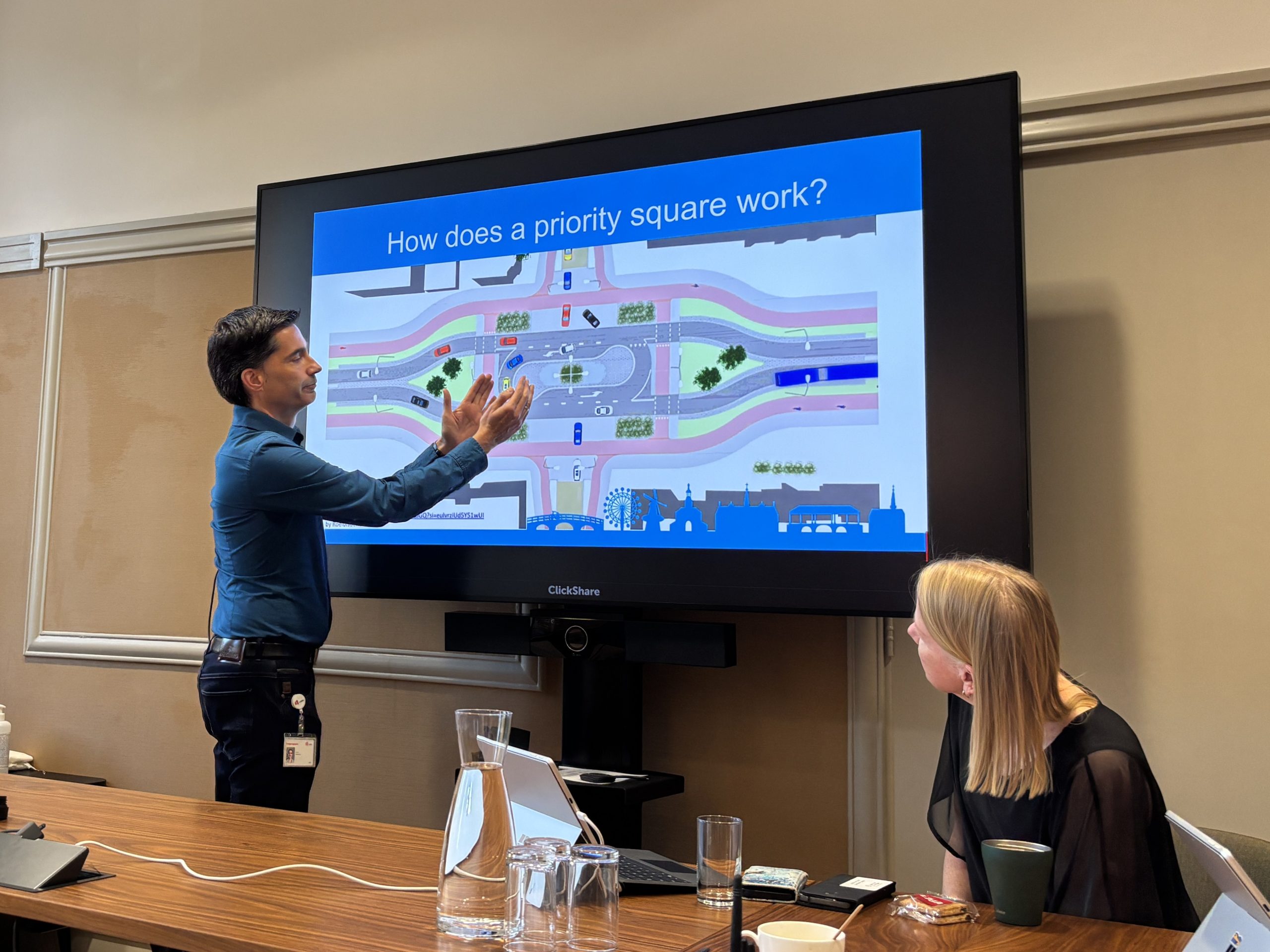
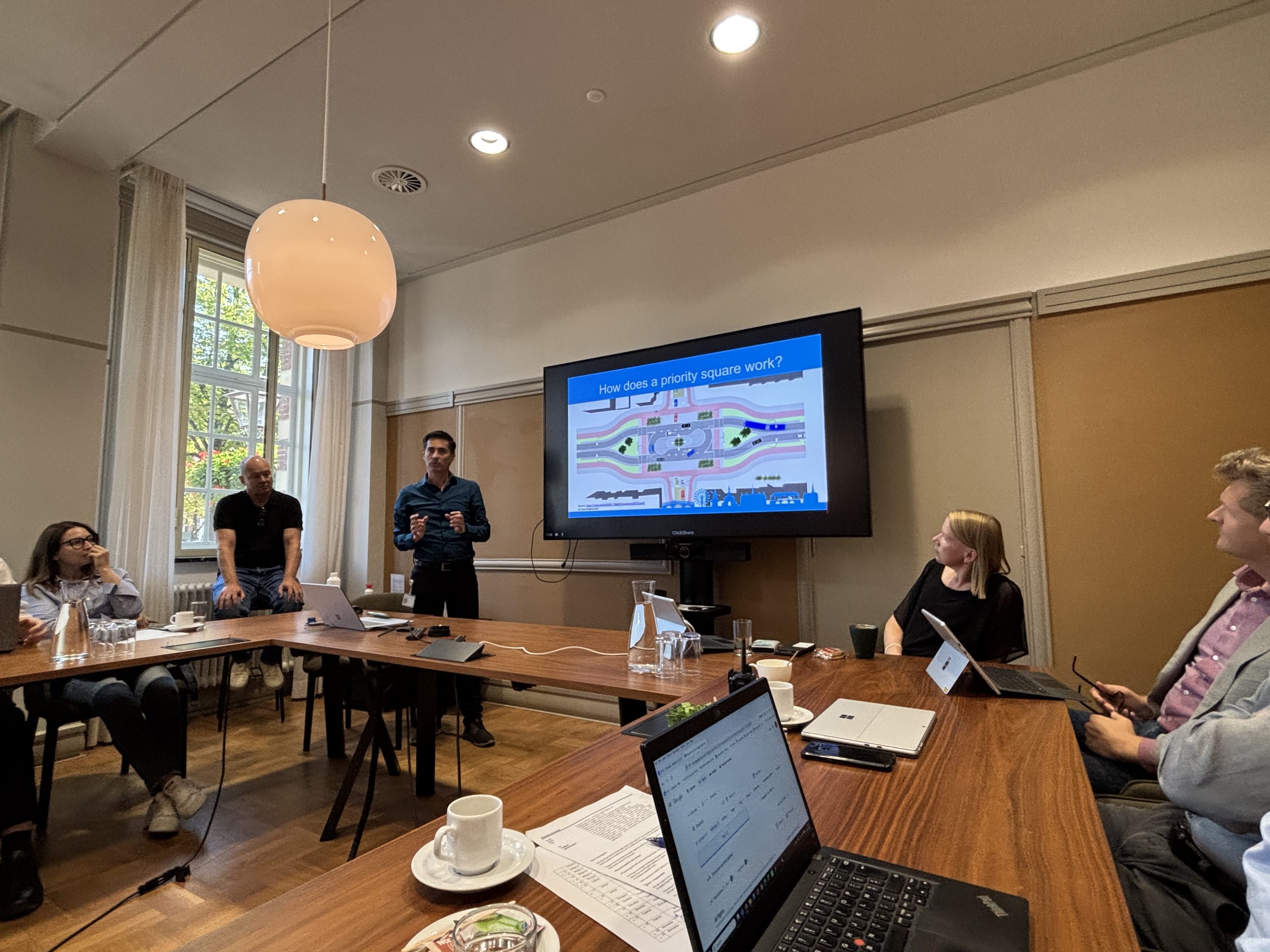
Patrick van Oostveen presented Leiden’s approach to redesigning intersections and road sections, using Lammenschansweg as a practical example. As an important route through the city, the area required a design that would improve safety and maintain traffic flow while also providing a greener and more sustainable environment.
Patrick demonstrated the different design options considered and evaluated by the city before focusing on the priority square. He explained how the measure works in an urban environment and how its design makes expected behaviour clearer for different road users
.
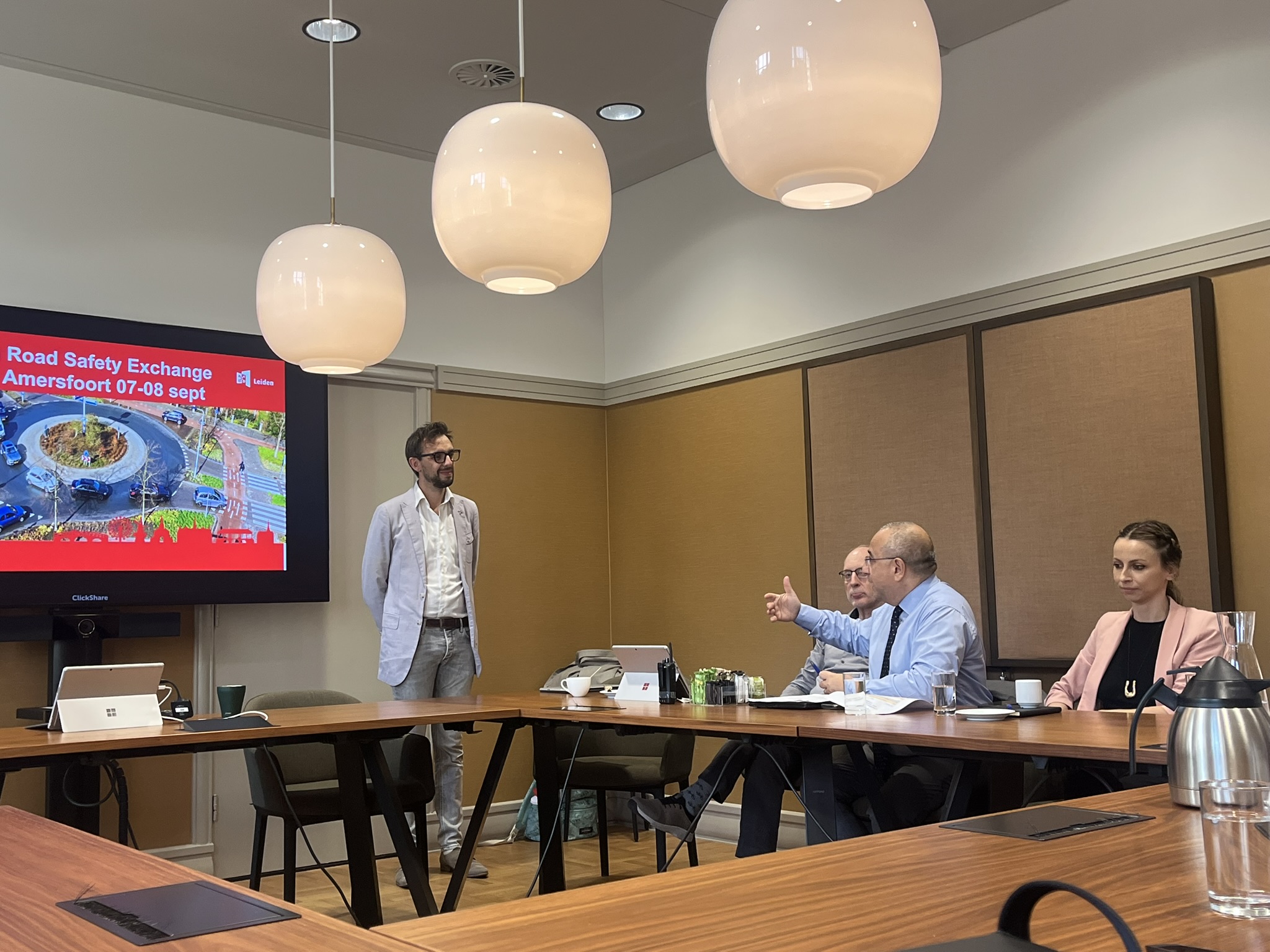
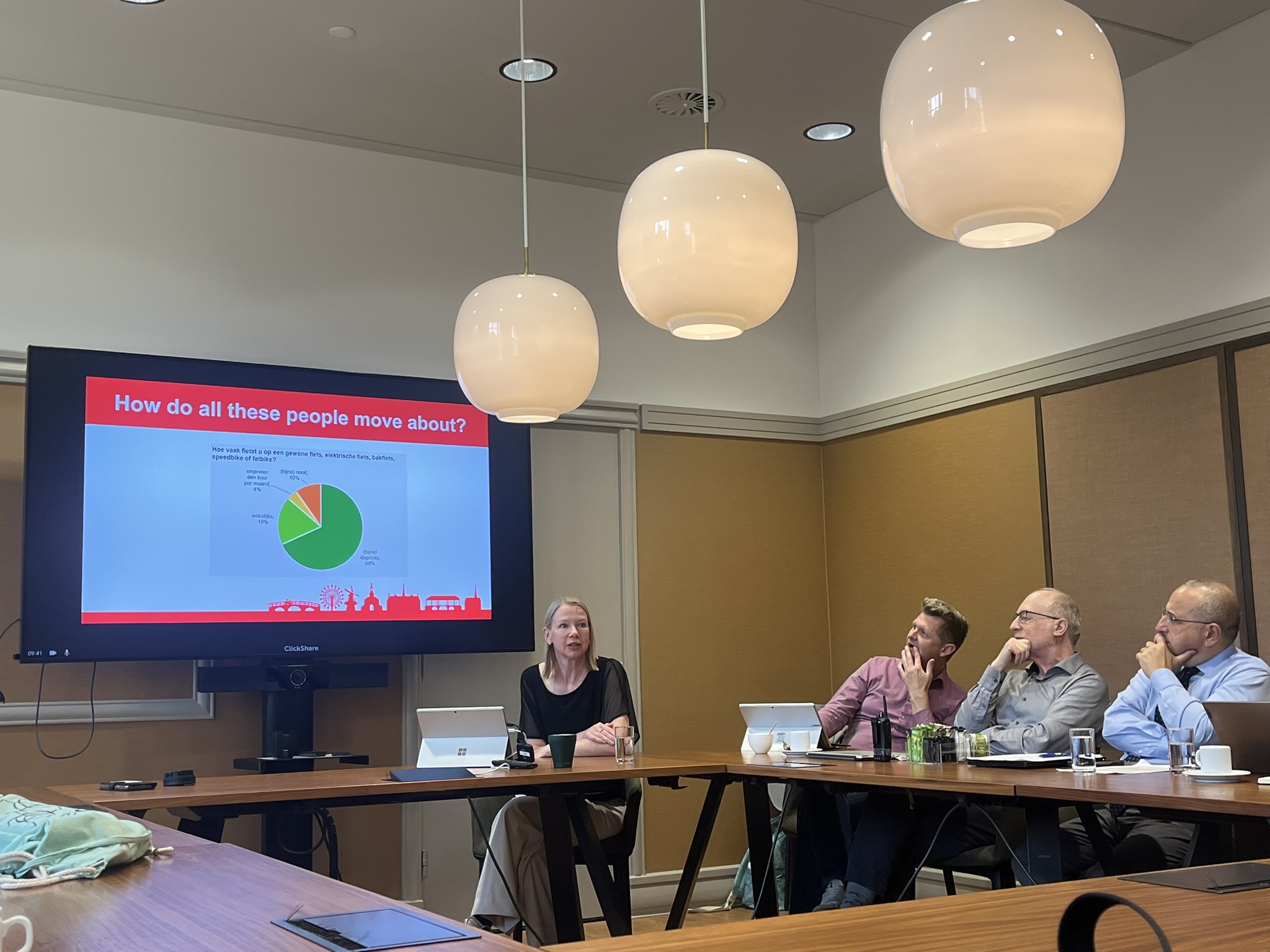
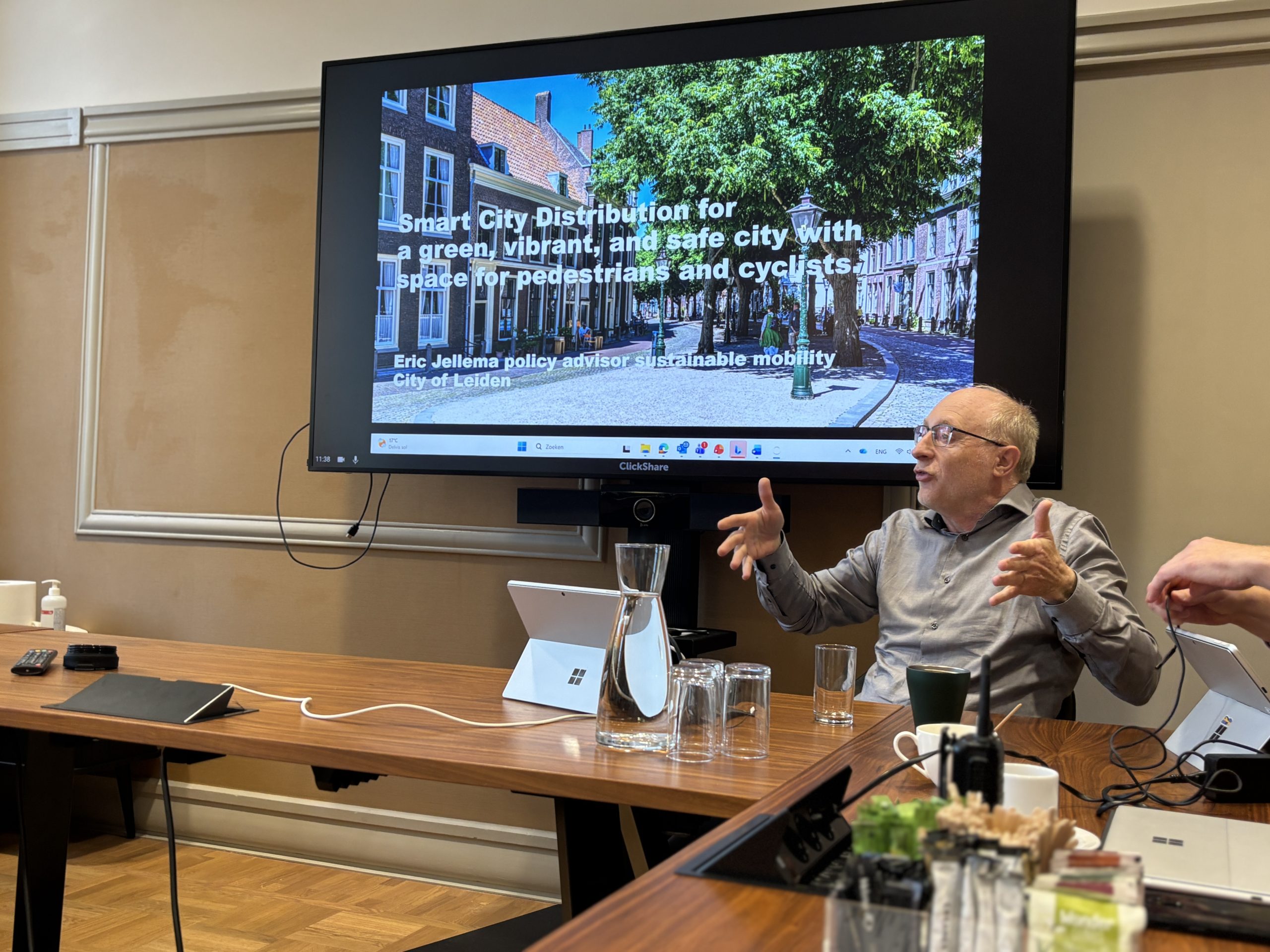
The morning programme concluded with a presentation by Eric Jellema on Leiden’s approach to smart urban distribution. He explained how the city aims to reduce heavy traffic and its pressure on infrastructure, including bridges and densely built-up areas.
Measures include delivery time windows, which keep deliveries outside business opening hours and the busiest travel periods. Cameras with automatic number plate recognition are used to enforce these restrictions and check whether vehicles have the required access permit.
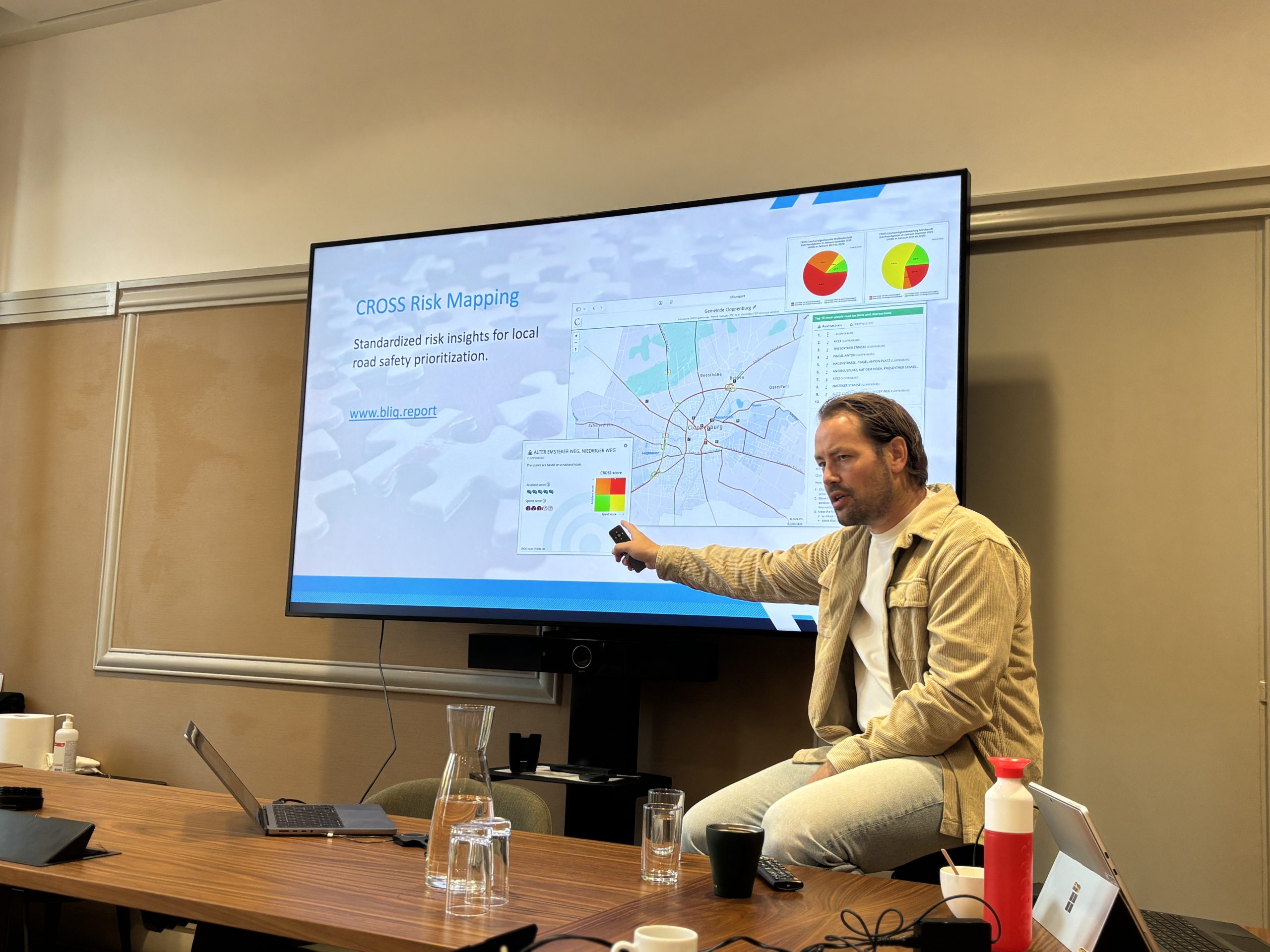
In the afternoon, Giedo Donkers presented the work done by Via Road Safety Software, demonstrating how collision data can be analysed to identify safety risks and support decisions on road infrastructure and traffic policy. He showed how tracking crash patterns helps planners pinpoint problem areas and target specific safety measures where they are needed most.
The presentation was followed by a discussion on the importance of having accurate and complete data to inform municipal decisions. The group highlighted that reliable data is essential for setting effective policies and ensuring that safety investments deliver measurable improvements.
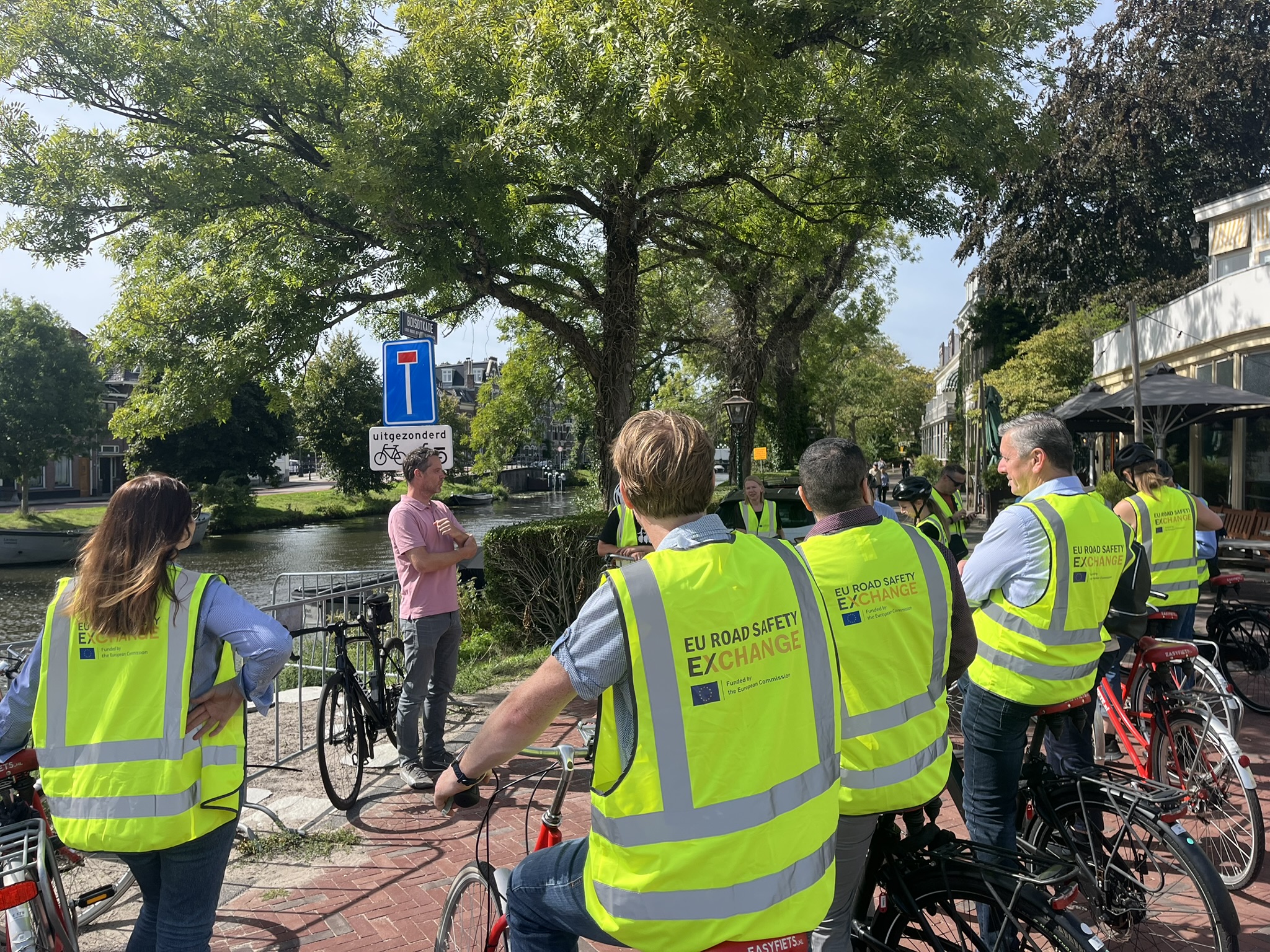
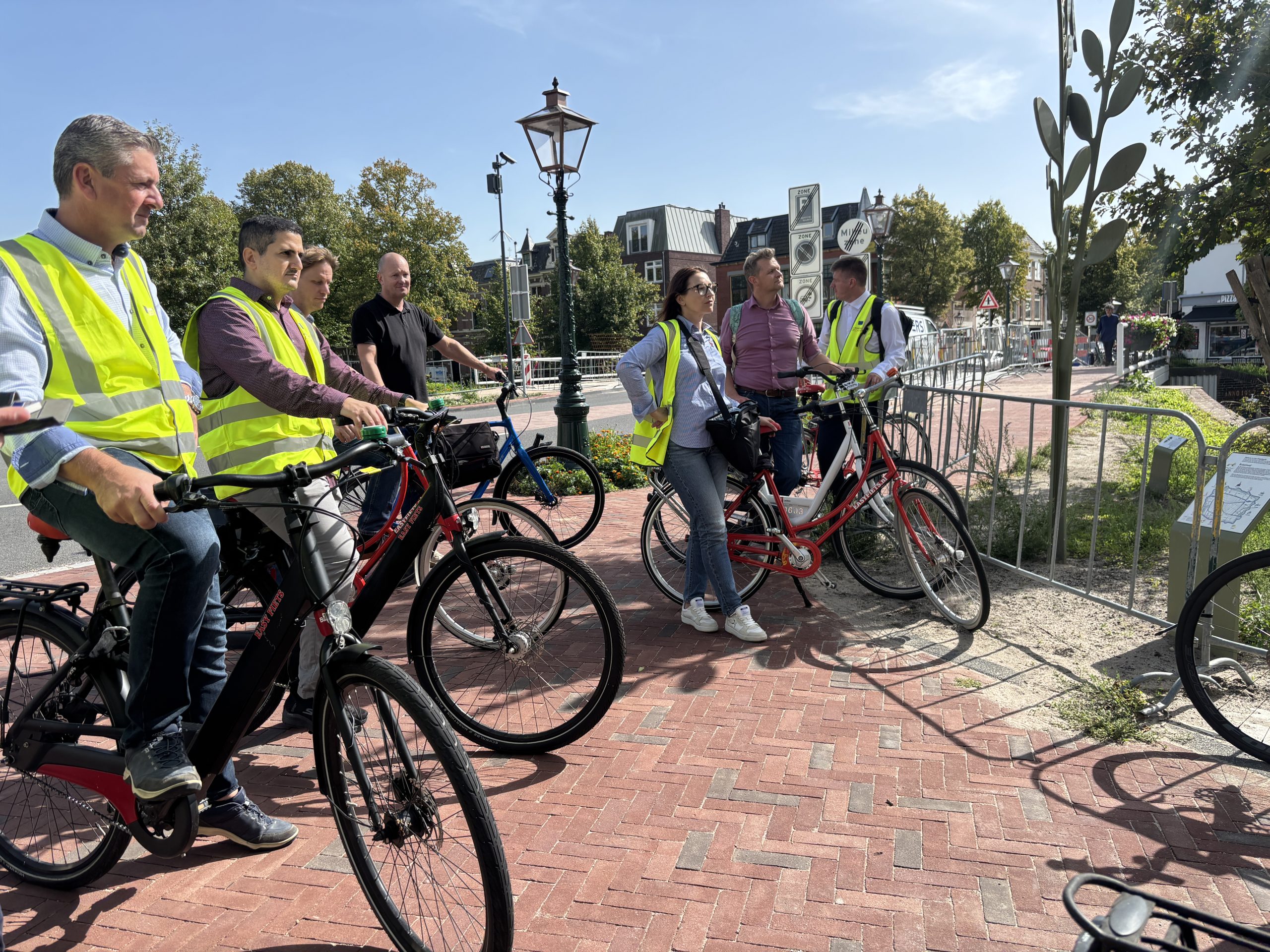
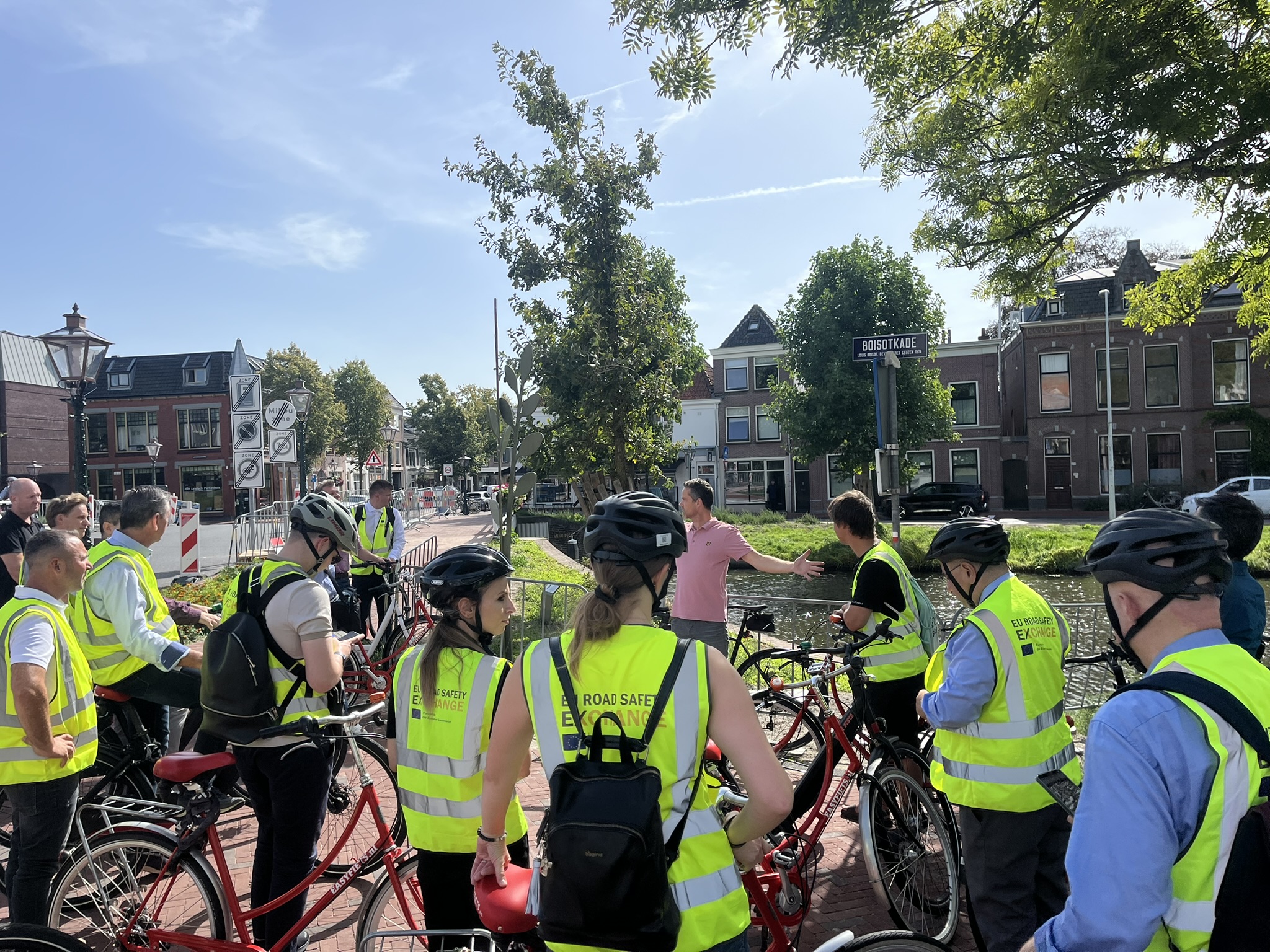
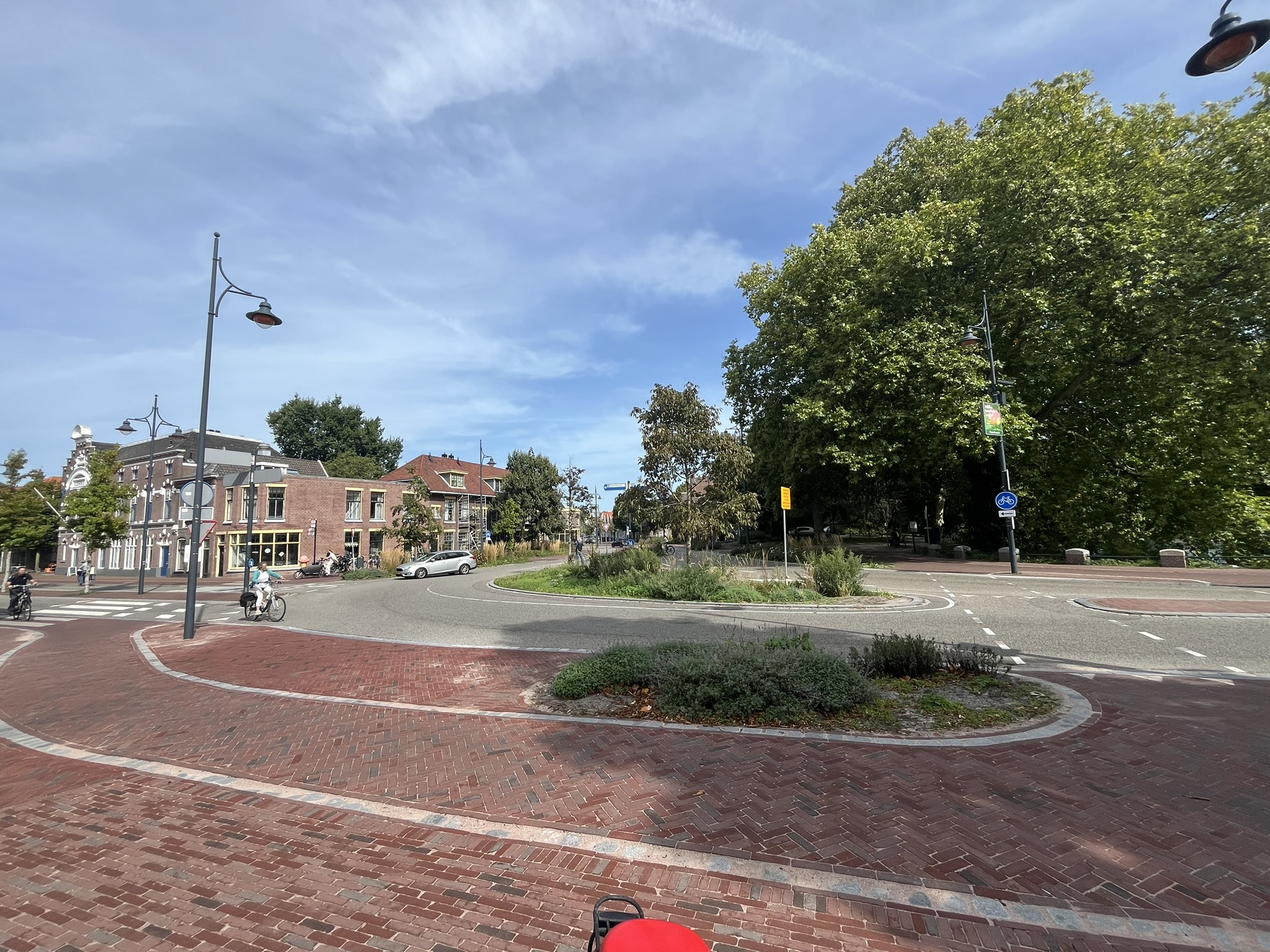
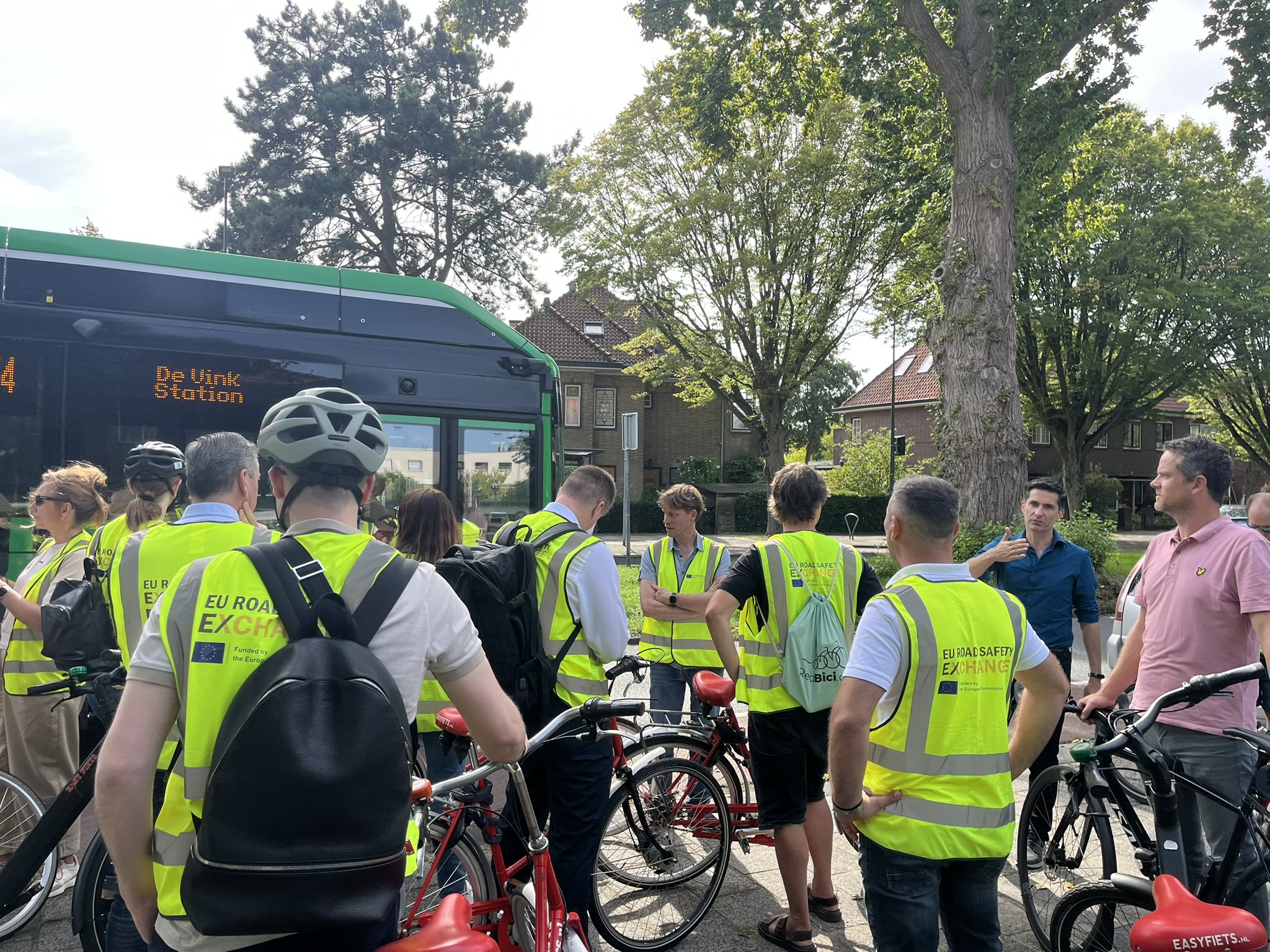
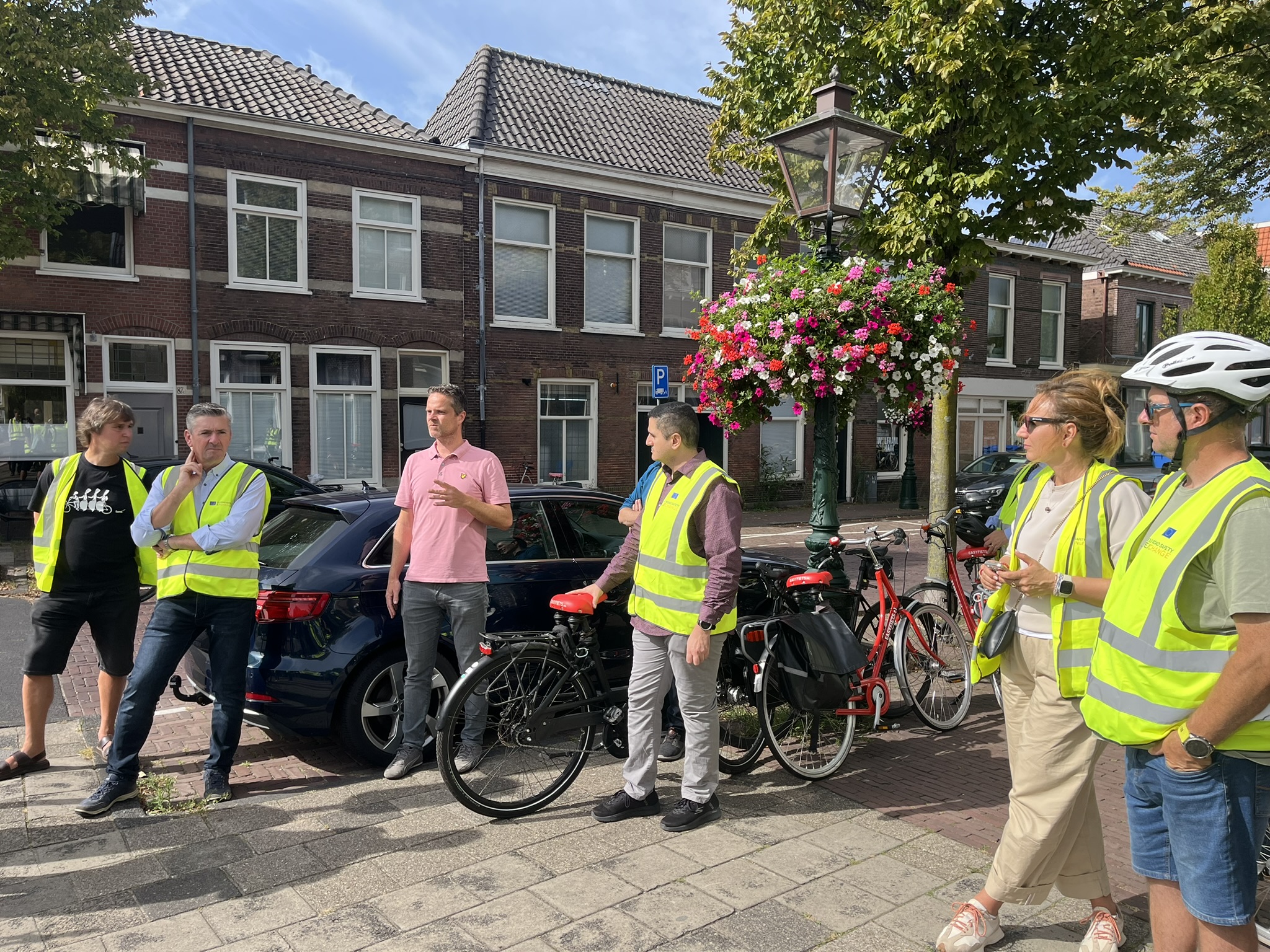
Participants then explored Leiden’s cycling network firsthand on a guided tour with Marius van Putten. The ride showcased recent infrastructure upgrades, including new roundabout layouts designed to keep cyclists moving smoothly and safely. At Lammenschansweg, the group paused to inspect current friction points and debate how a planned priority square aims to fix them.
The route also featured past interventions that required later rethinking, sparking a lively, practical debate on balancing safety, human behavior, and accessibility in tightly constrained urban spaces.
.
Day two took place in Amersfoort, where Peter Richters shared the city’s plan for safe and green travel. He explained the challenge of building new homes for a growing population while keeping the city green, healthy, and easy to get around.
At the heart of this plan is the STOMP idea, which puts walking, cycling, buses, and shared rides before private cars. Amersfoort also uses the “8-80” rule for street design, making sure roads feel safe and simple for everyone, from an 8-year-old child to an 80-year-old grandparent.
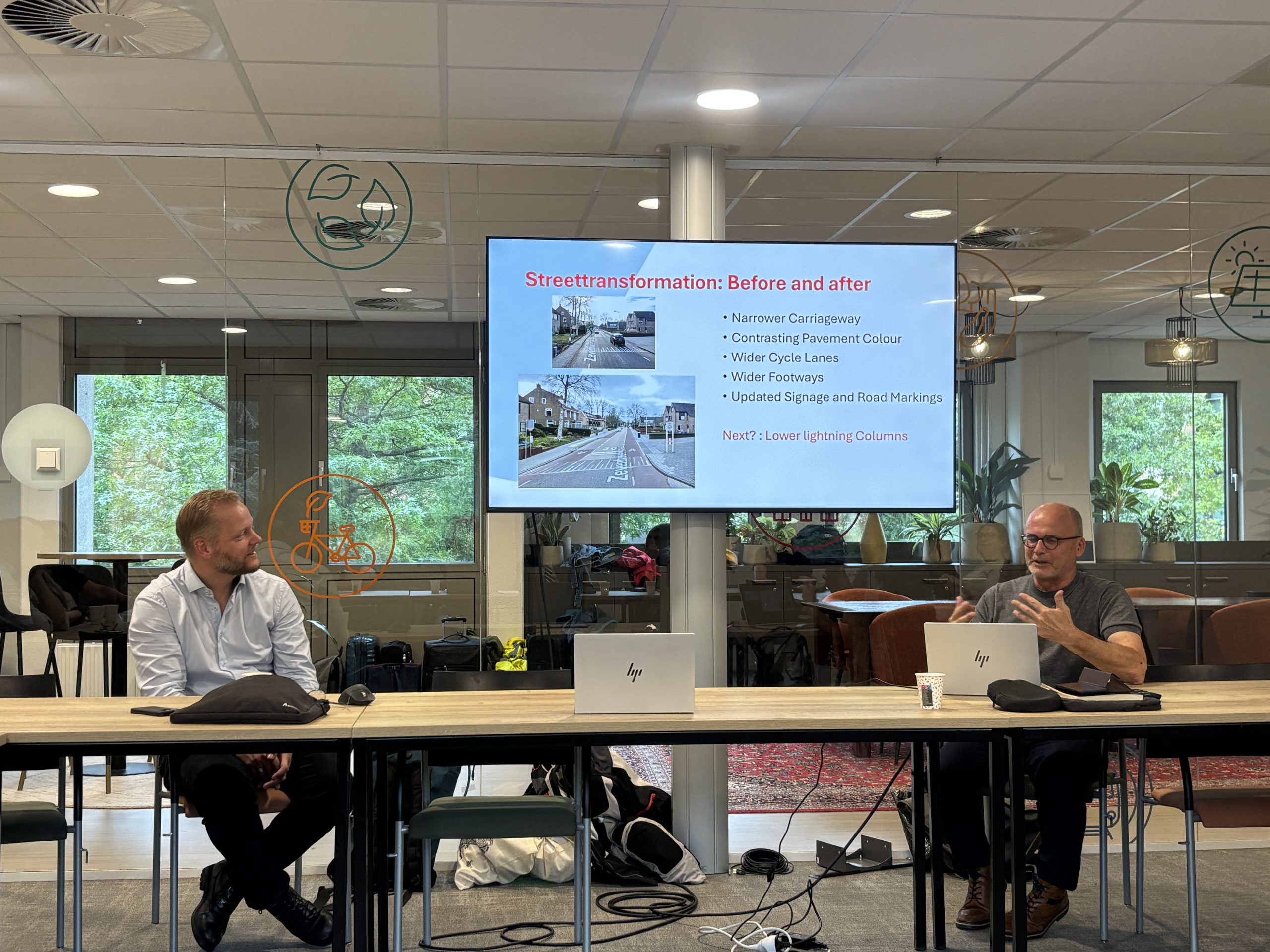
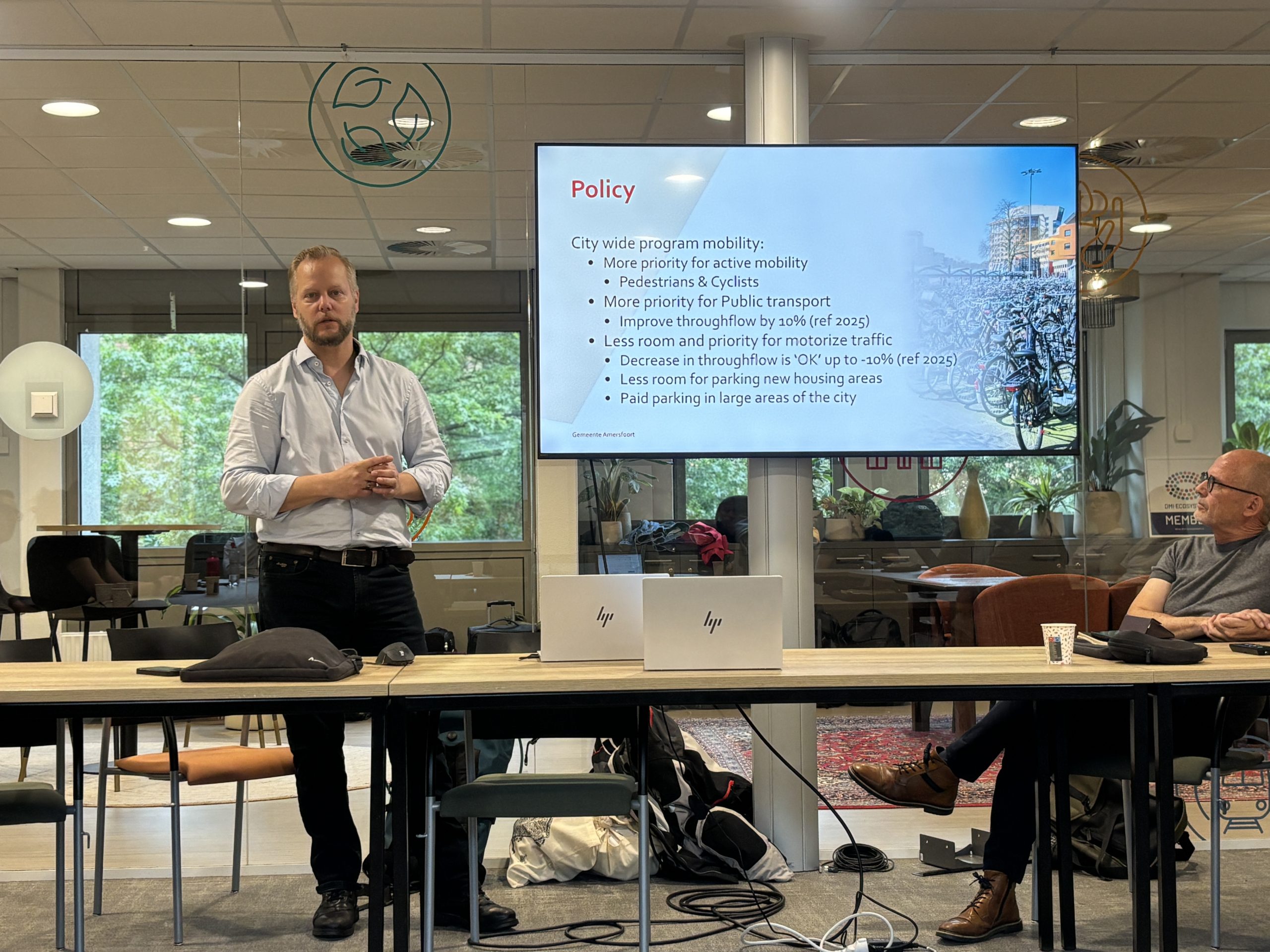
Falco de Jong then presented how these priorities are translated into transport planning. Following the STOMP model, Amersfoort aims to reduce waiting times for cyclists and public transport by 10%, while reducing car use through adjustments to traffic flow and parking policy.
Before measures are introduced, their effects are modelled at different levels and tested using the Amersfoort Digital Twin. This allows the city to visualise different urban scenarios, including the introduction of 30 km/h limits, the impact of roadworks and the construction of around 6,000 additional homes.
.
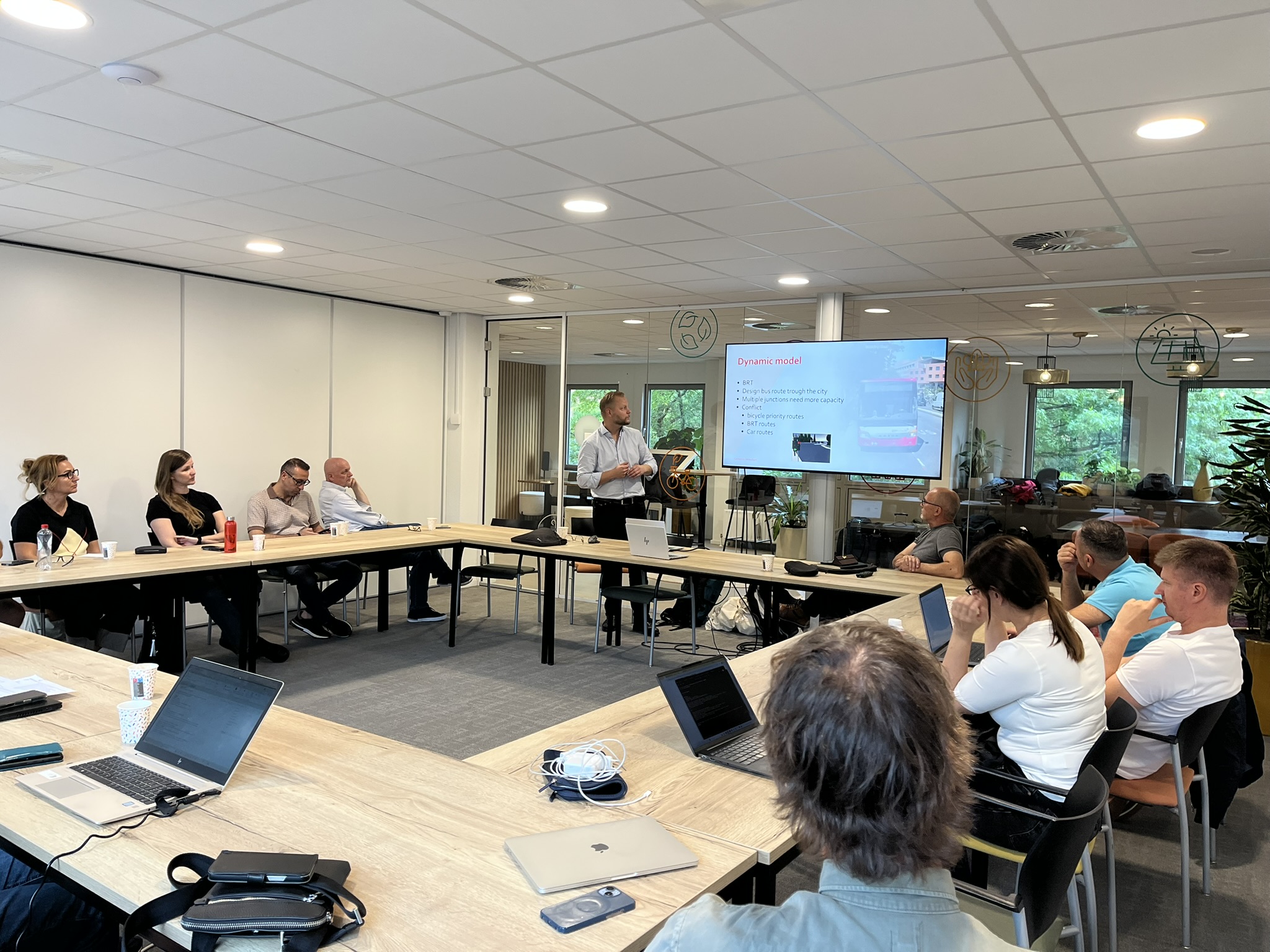
The programme continued with a presentation on Amersfoort’s transition from 50 to 30 km/h. As access roads were already generally limited to 30 km/h, the city is now focusing on distributor roads which continue to connect neighbourhoods and important destinations.
Where cyclists share the road with motor vehicles, the limit is reduced to 30 km/h, while roads with separate cycling infrastructure may remain at 50 km/h. Amersfoort introduced the new limits across the city overnight, accompanied by the campaign “The street is for everyone”, as changes to street design and additional traffic-calming measures will be introduced gradually.
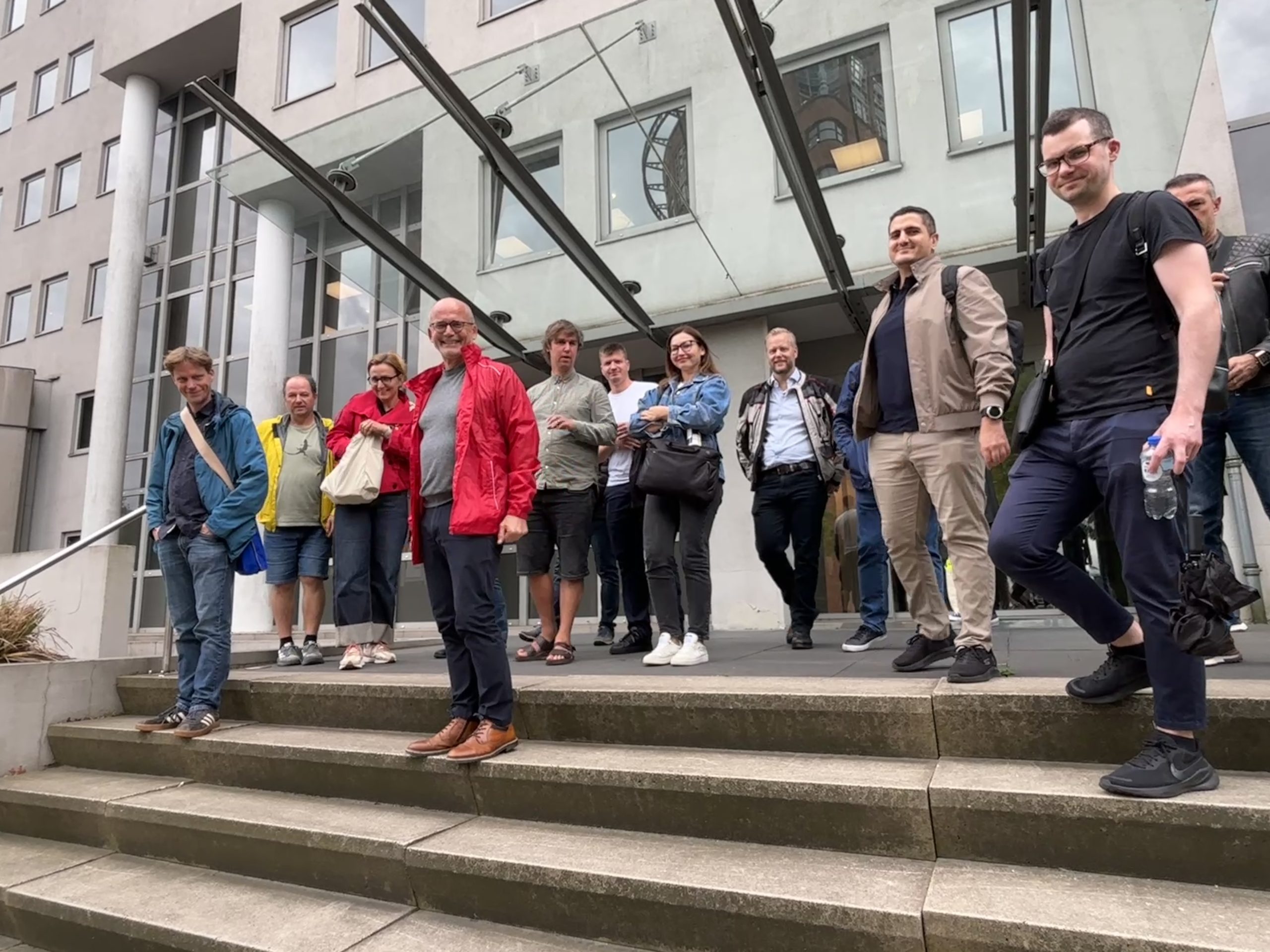
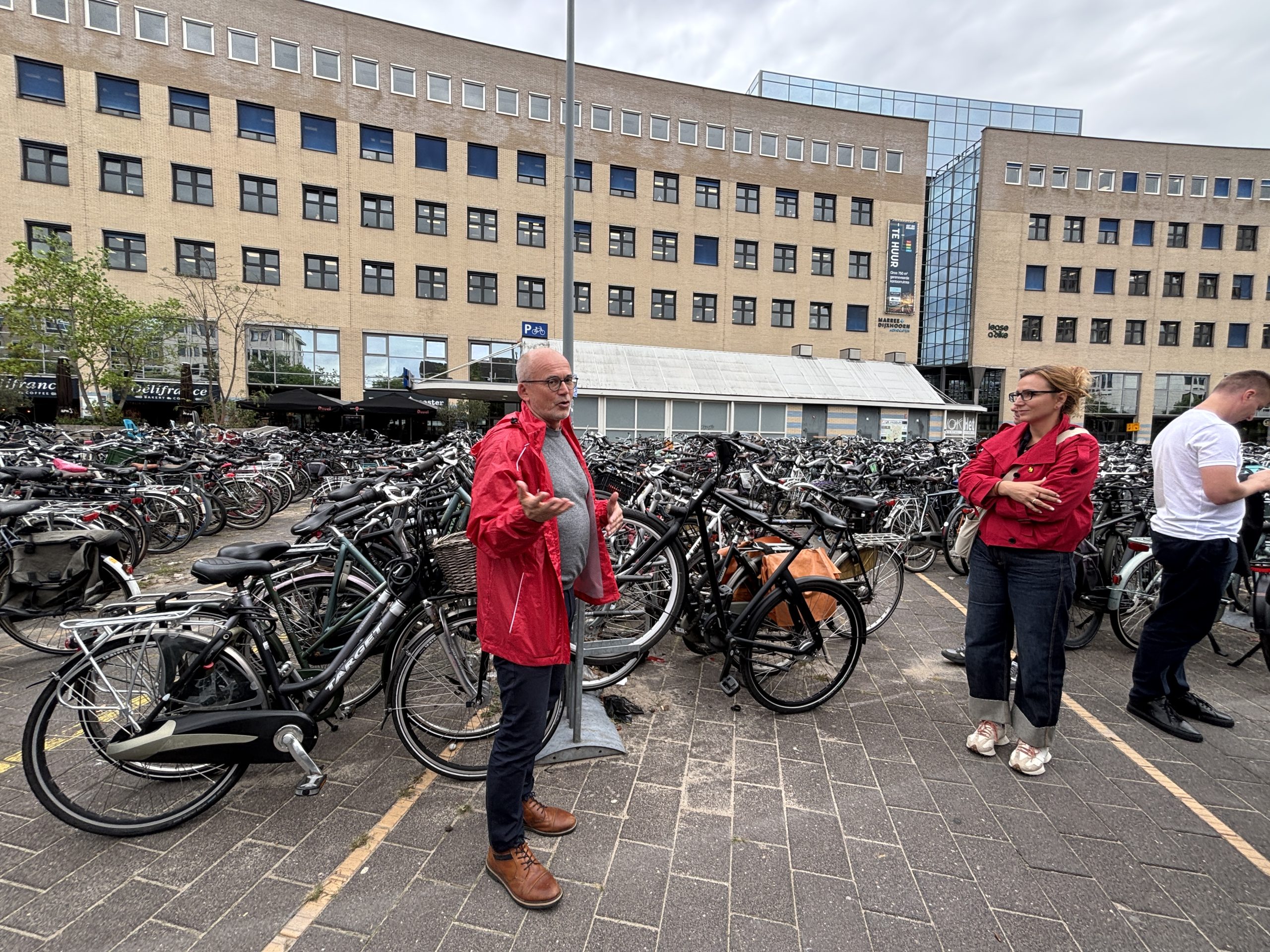
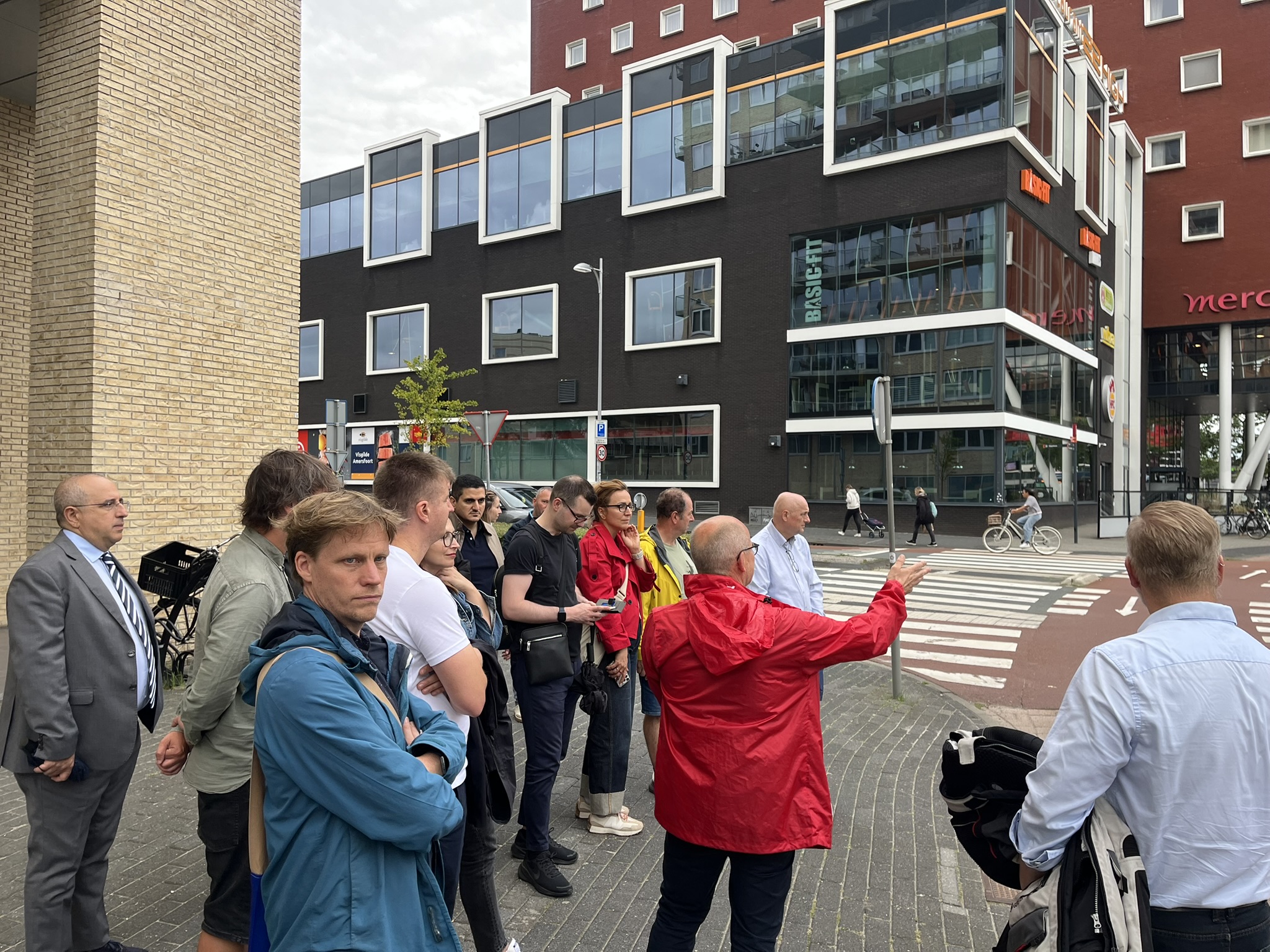
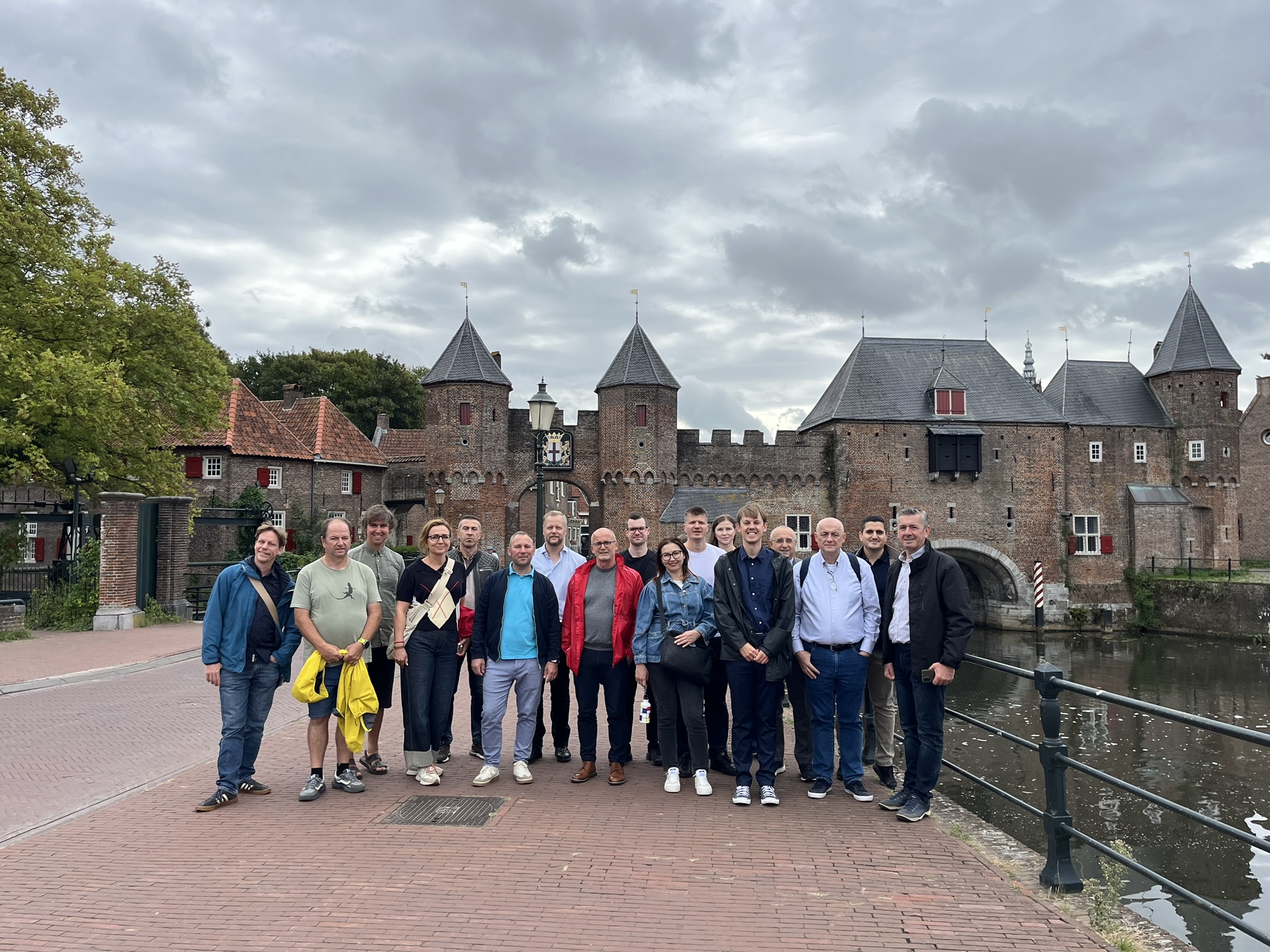
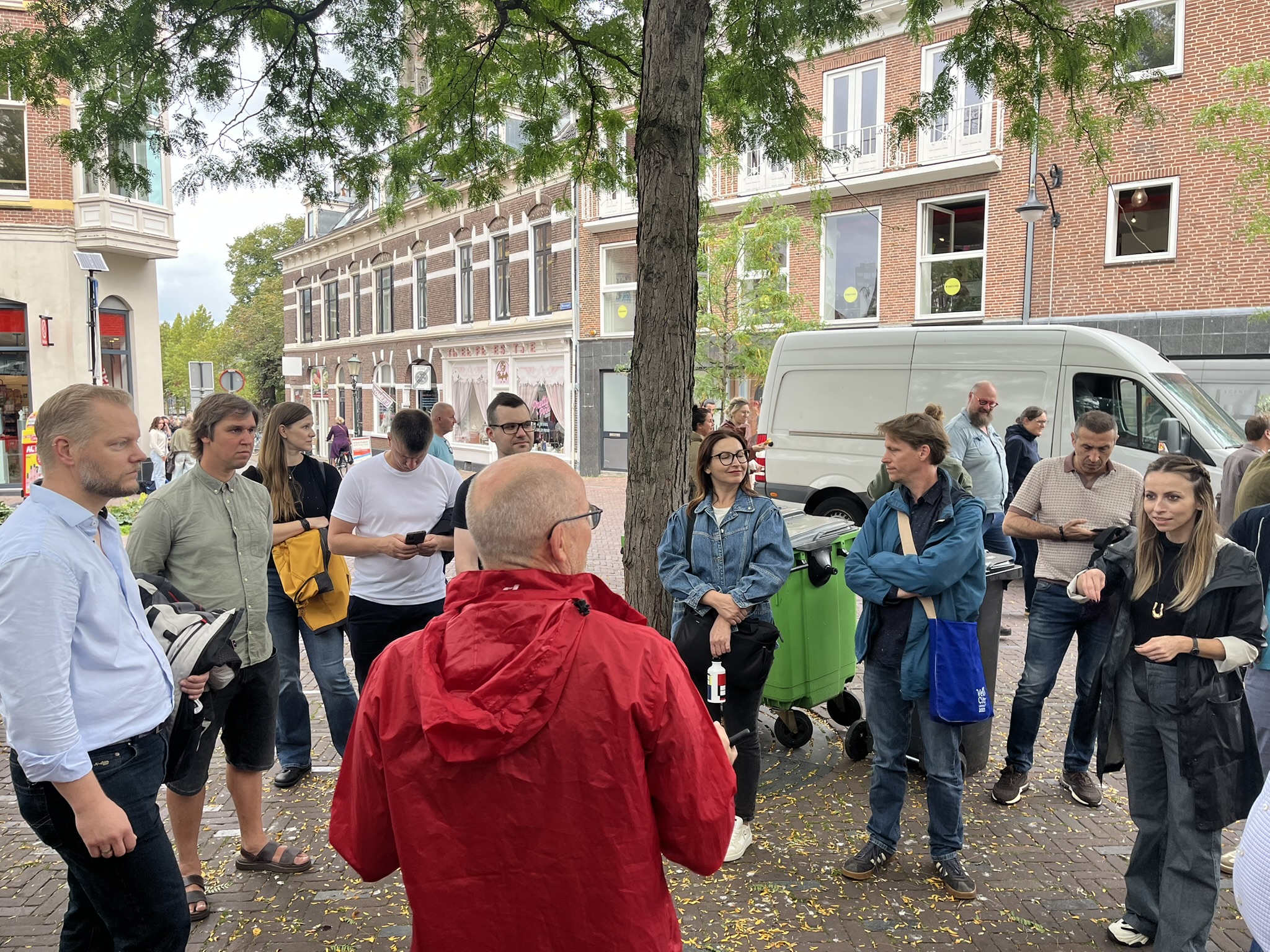
The visit ended with a guided tour of Amersfoort to see these changes in real life, including redesigning streets, lowering speeds and giving greater priority to walking and cycling. The group visited the site of the new housing project to see the early stages of the planning.
Finally, the tour headed into the historic old town, where some big changes took place. Amersfoort removed car parking spaces to create wider, greener areas for walkers and cyclists. Seeing the quiet, open streets showed how taking away cars makes the town center safer and much nicer for everyone.
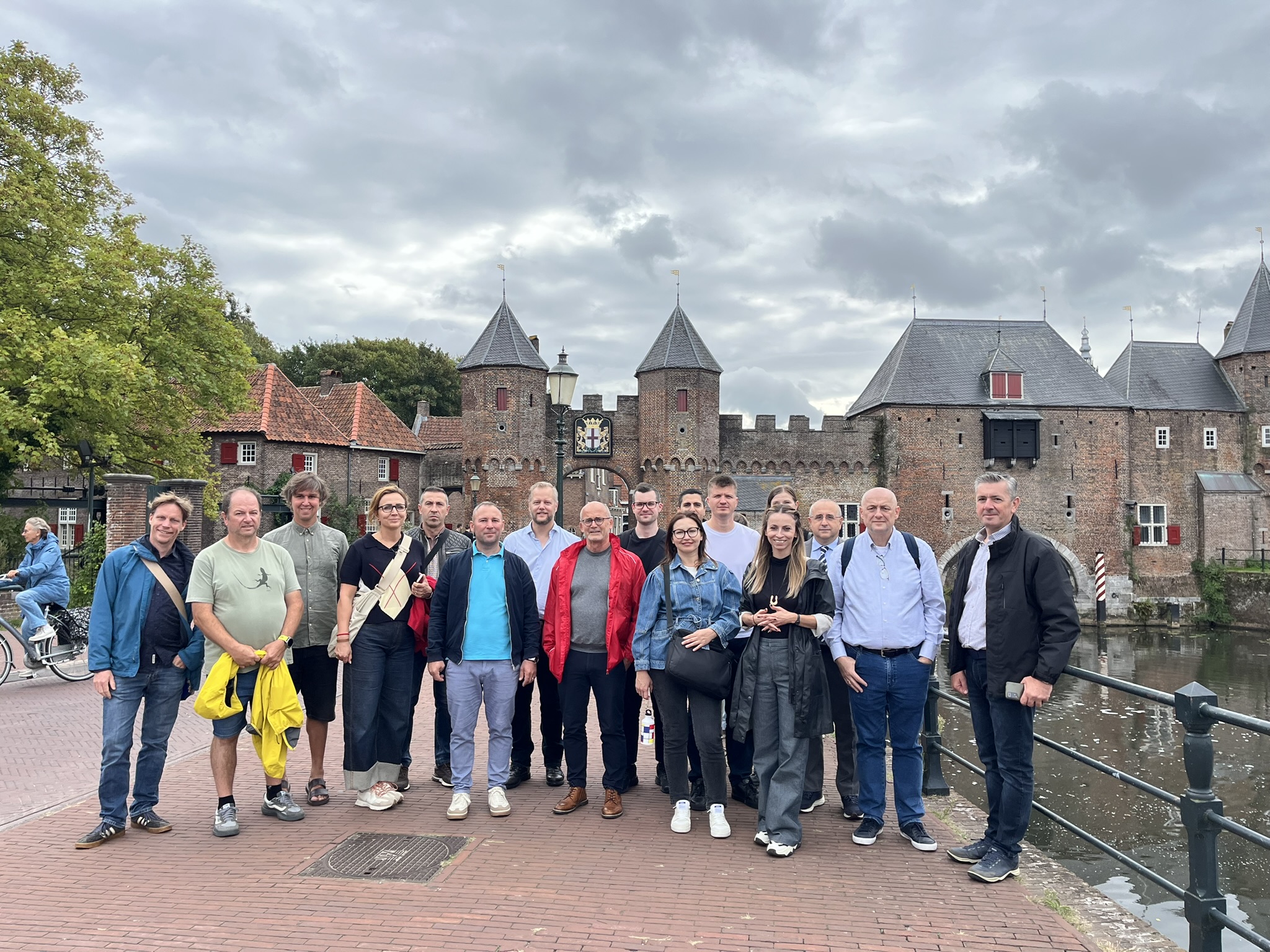
The study visit gave participants an opportunity to exchange experiences and see how Leiden and Amersfoort are making cycling safer while adapting their transport systems to continued urban growth. The city host also shared the challenges they faced in organising safer transport for all road users and discussed ways to avoid similar challenges.
EU Road Safety Exchange creates a network of road safety professionals committed to sharing good practice and making safer roads across the EU.