Helsinki urban study visit on traffic calming and redesign 2026
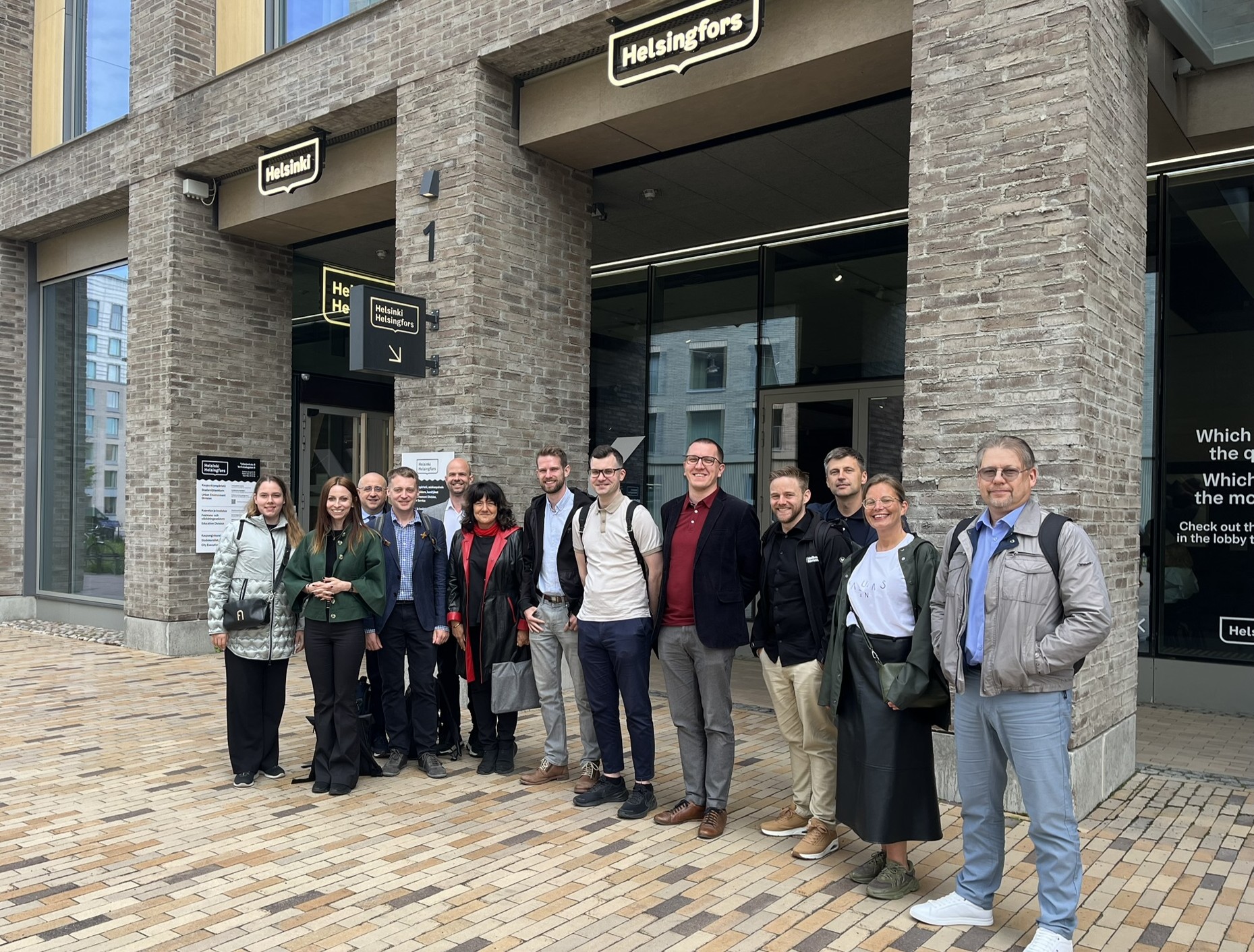
The first urban study visit organised under the third phase of the EU Road Safety Exchange (EURSE III) took place in Helsinki, Finland, on 11-12 June 2026.
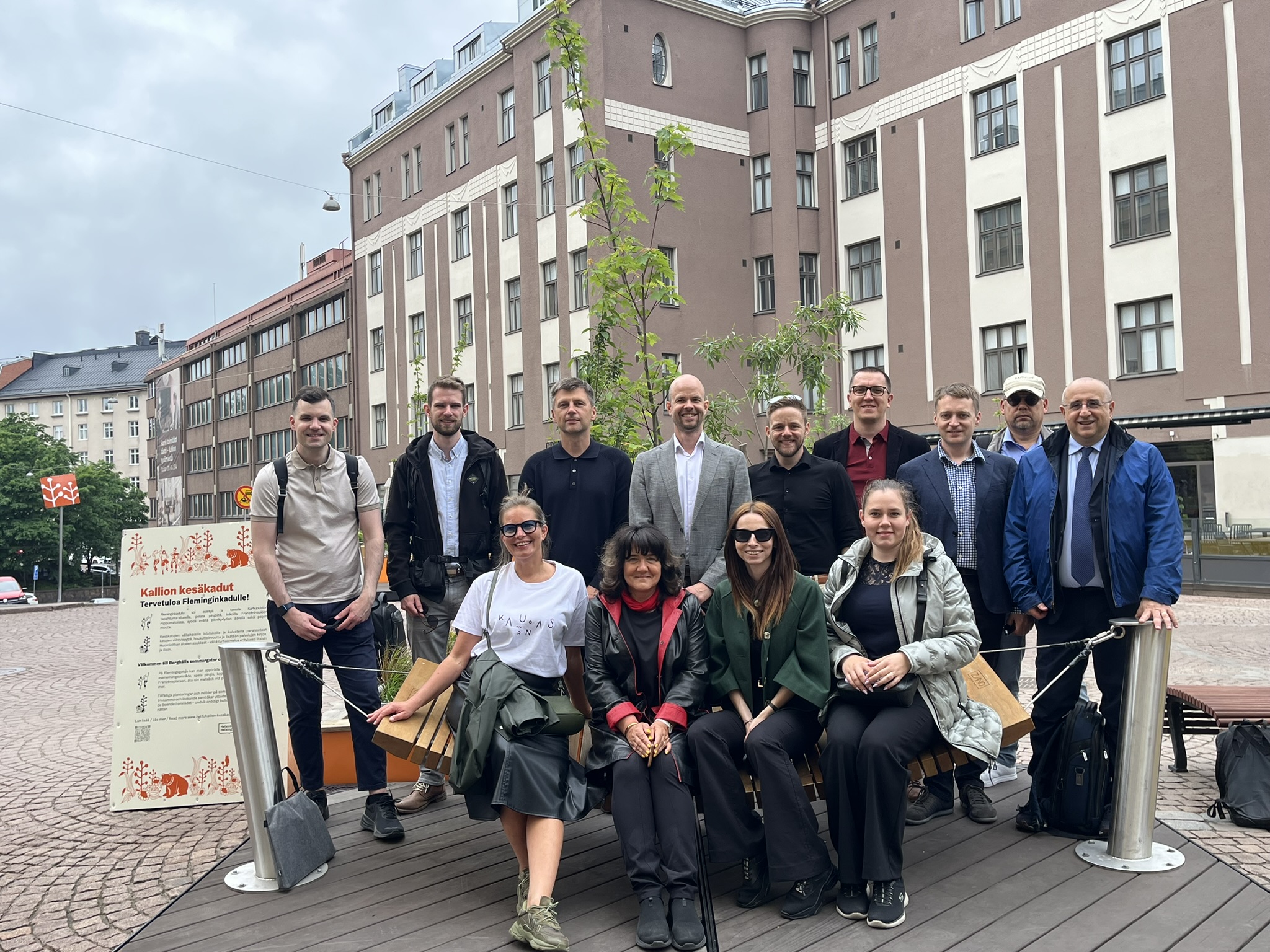
Representatives from Ljubljana, Warsaw, Holbæk, Kaunas, Prague, Tallinn and Debrecen, accompanied by the European Transport Safety Council (ETSC), visited the Finnish capital to learn more about Helsinki’s approach to urban road safety, sustainable mobility planning and the protection of vulnerable road users.
The visit was hosted by the City of Helsinki and the Finnish Road Safety Council (Liikenneturva).
The visit opened at the City of Helsinki’s Urban Environment Division, where Reetta Putkonen, Director of the Transport and Traffic Division, set out the city’s approach to road safety and mobility.
The session looked at how Helsinki organises transport planning and traffic management, as well as the trends shaping daily travel in the city: nearly half of all trips are made on foot, public transport use remains high, and car dependency is relatively low. Participants were also introduced to the Helsinki Traffic Safety Development Programme 2022–2026 and the city’s long-term vision for safer, more sustainable urban mobility.
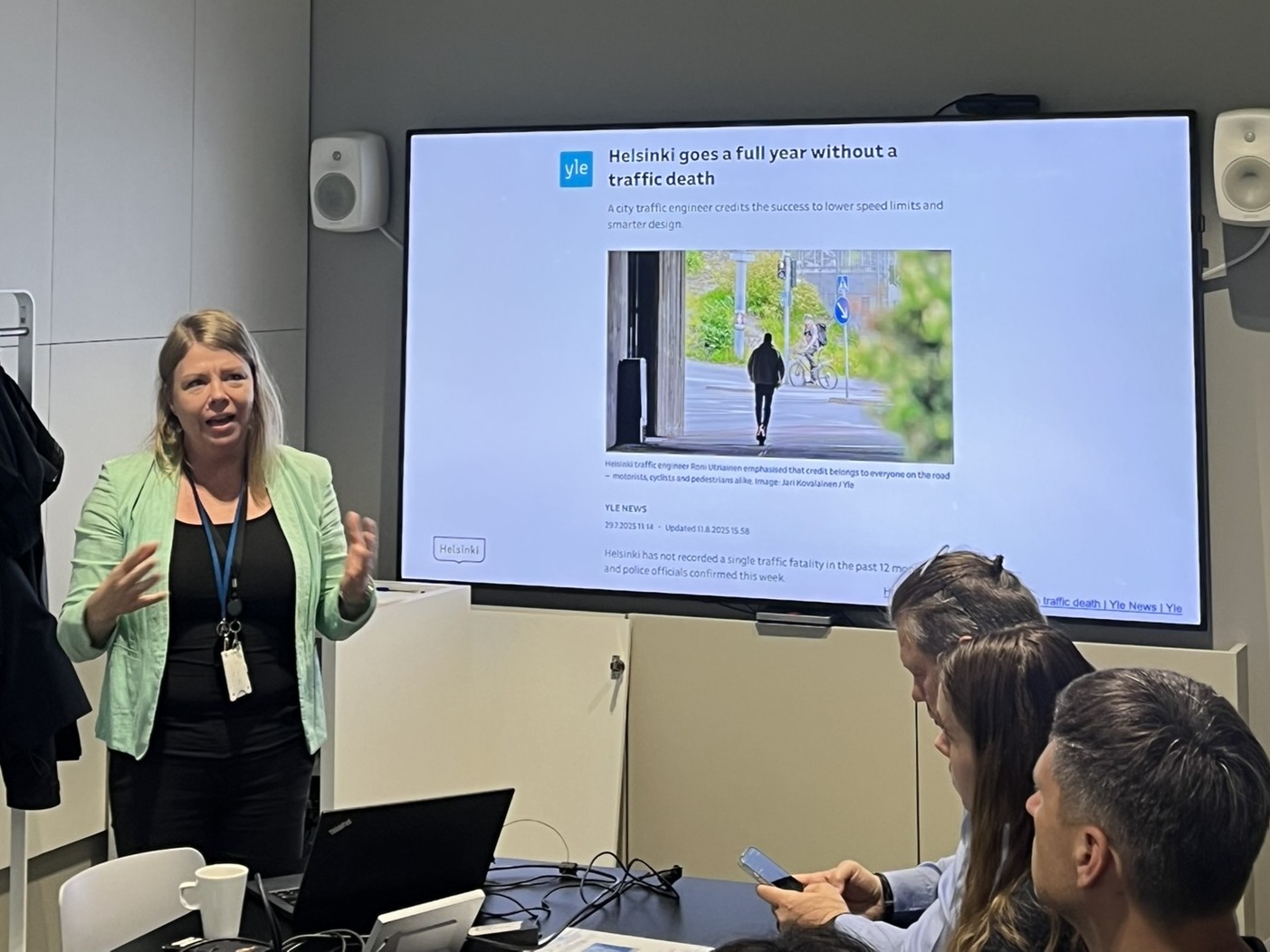
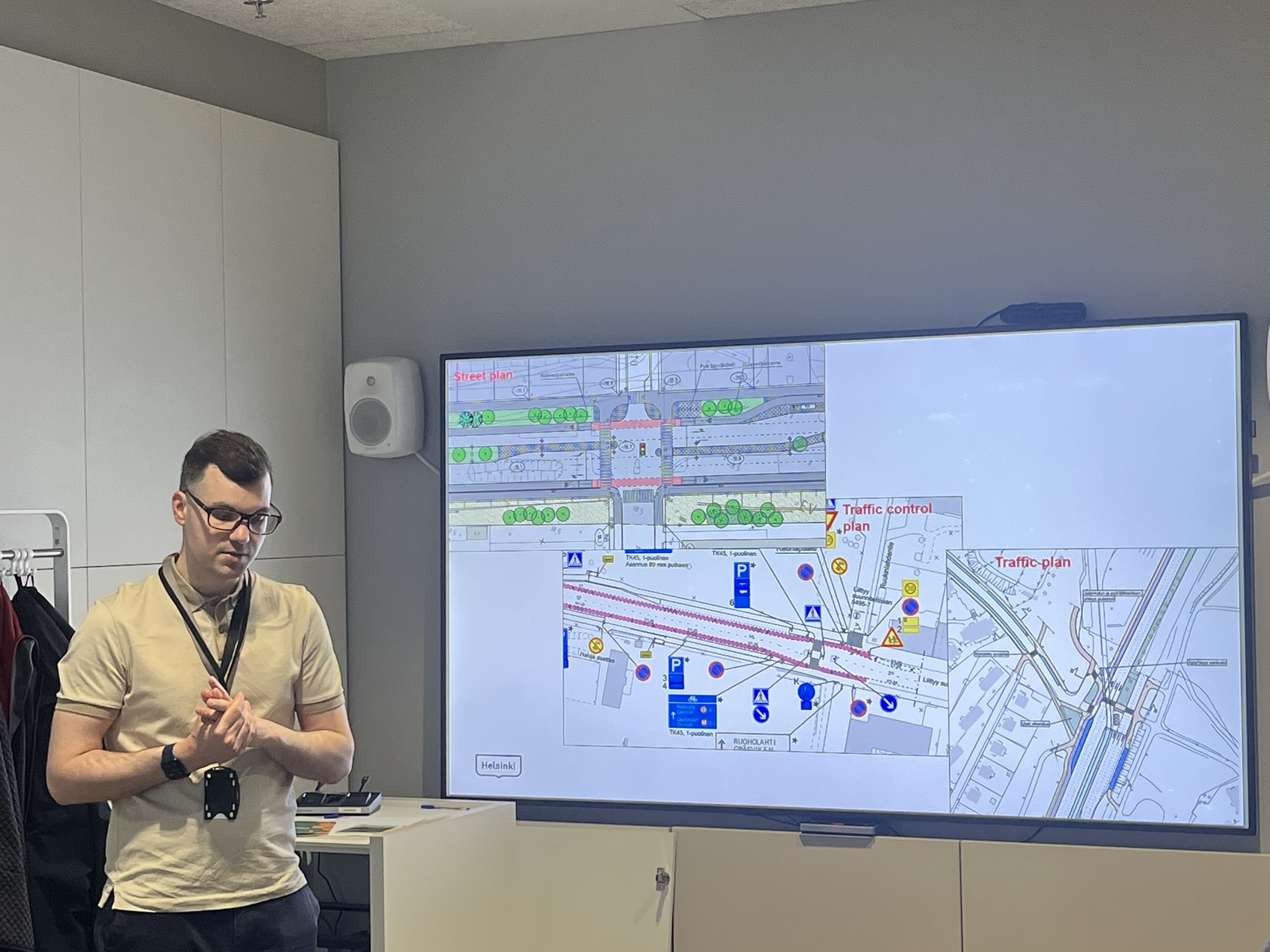
Roni Utriainen, Traffic Engineer at the City of Helsinki, then turned to the practical measures being used to improve road safety across the city.
His presentation covered street design, speed limits, traffic calming and speed management, drawing on examples from across Helsinki to show how different interventions are chosen and put into practice.
The session also addressed current urban mobility challenges, including e-scooter safety. Helsinki outlined measures introduced in recent years, such as speed restrictions, geofencing and limits on rental e-scooter use during night-time hours.
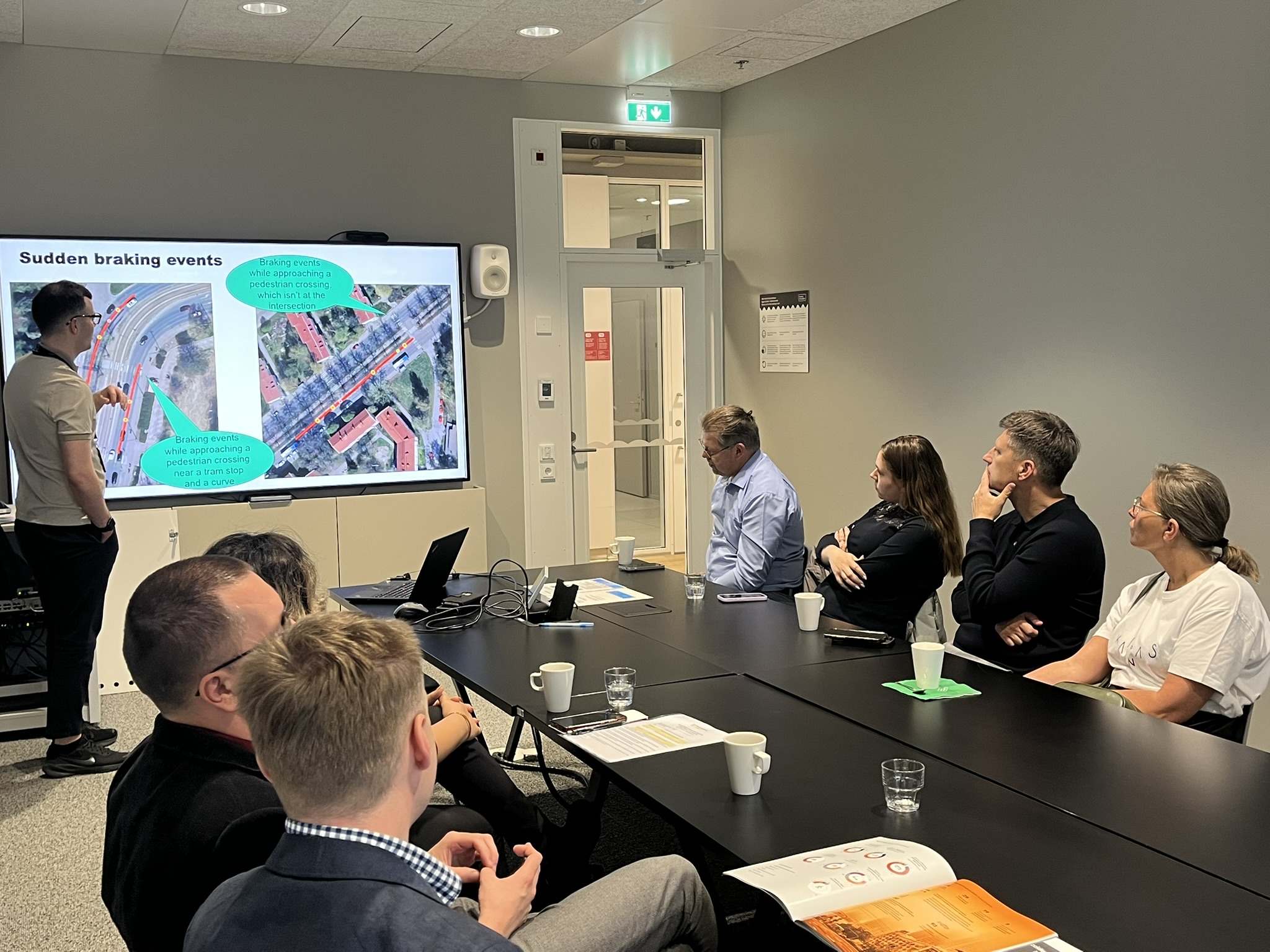
Discussions also explored how data supports Helsinki’s road safety work. Participants heard how the city analyses speed and vehicle braking data to identify locations where further safety measures may be needed.
The exchange also opened a wider discussion on automated enforcement, speed management and the challenge of maintaining political support for road safety measures in cities that already perform well on safety.
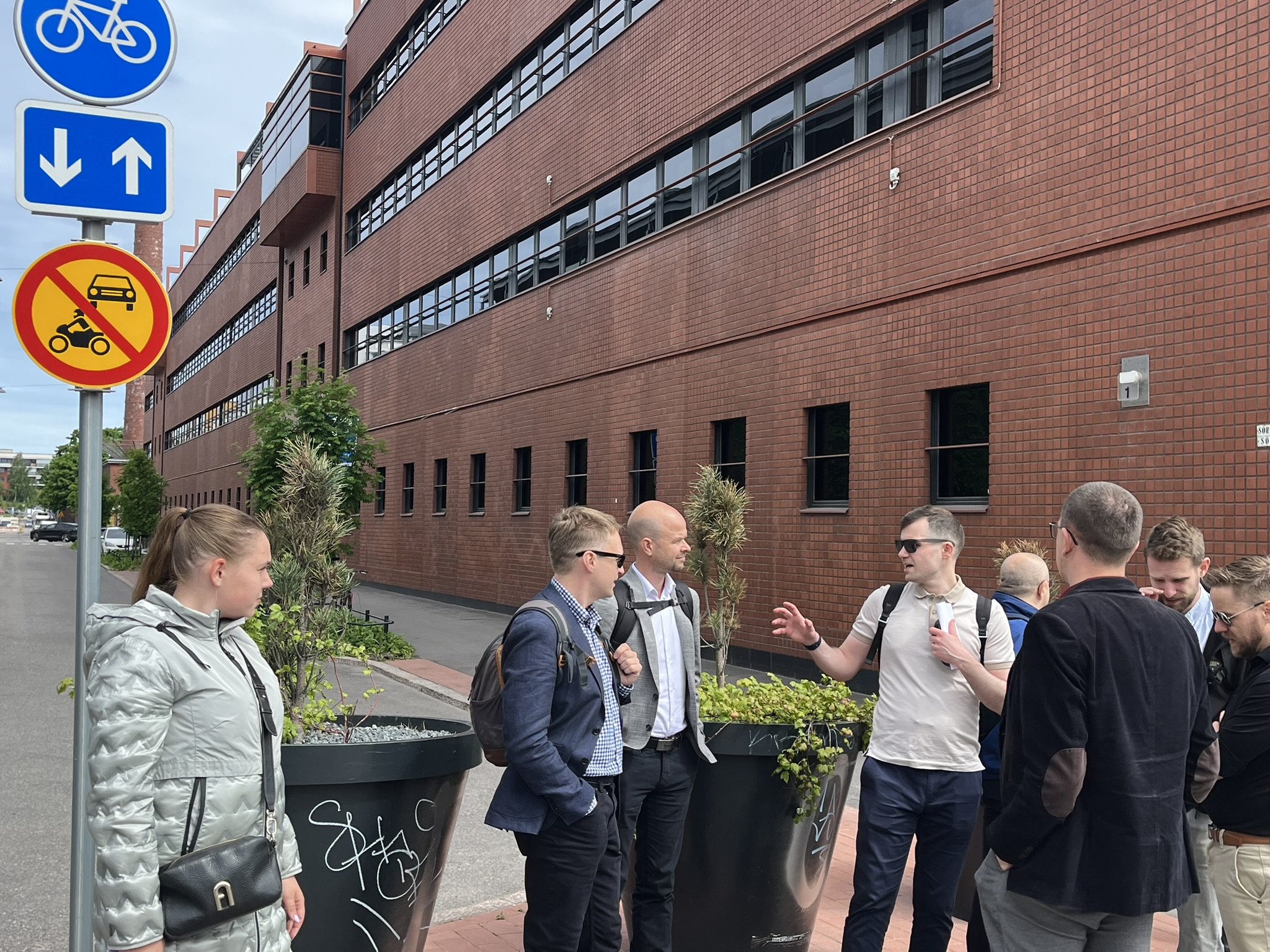
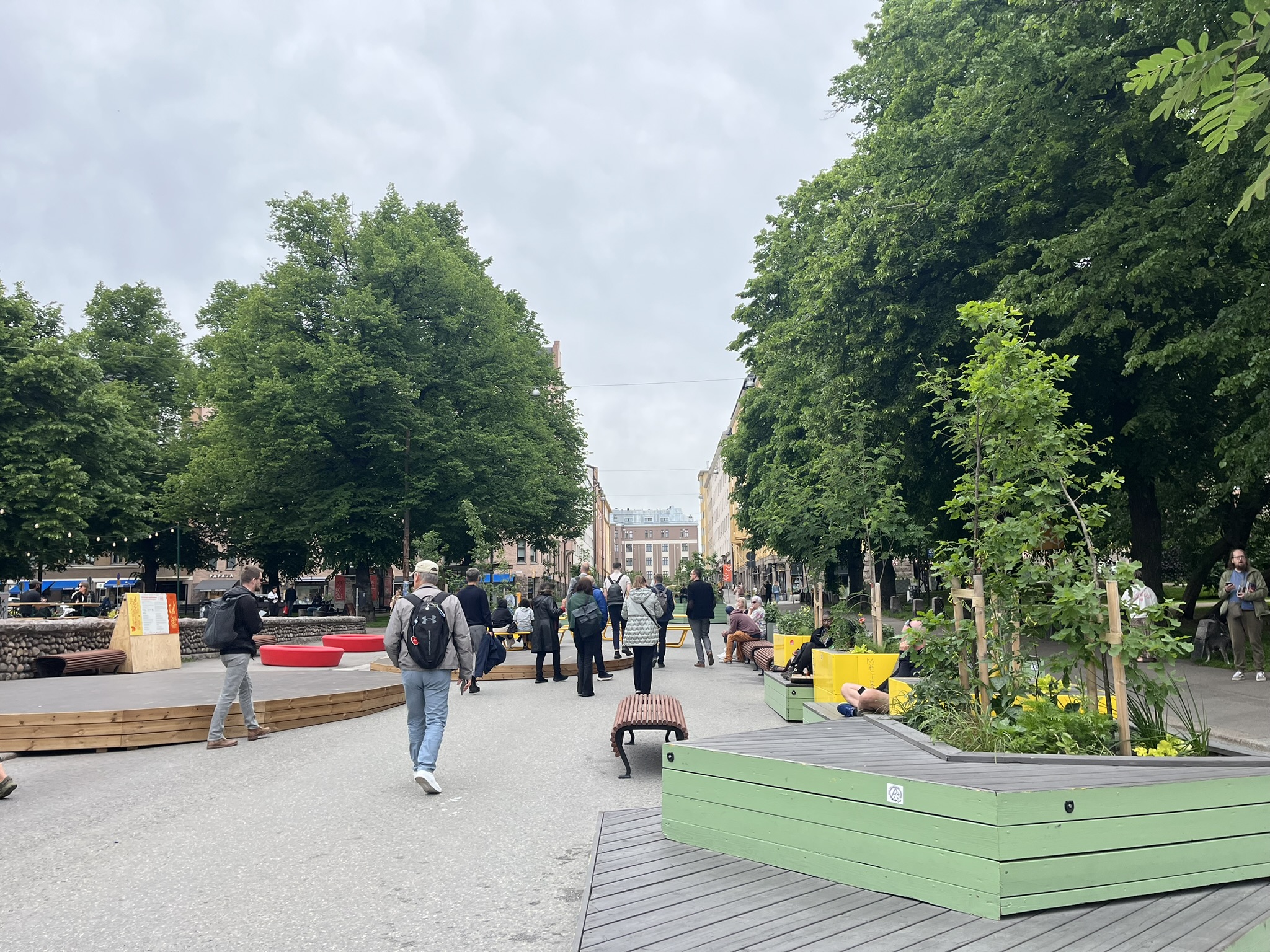
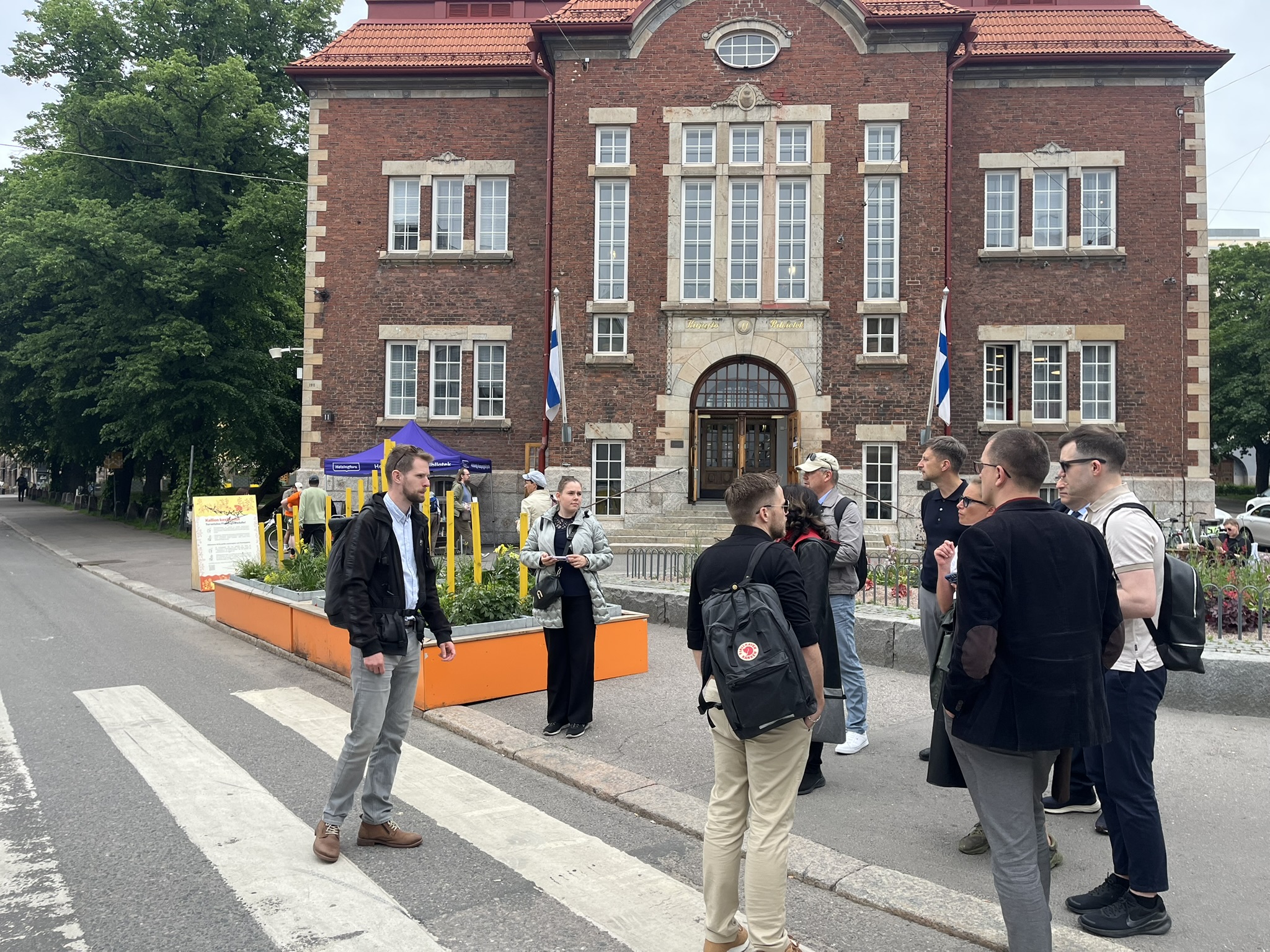
Participants then explored Helsinki on foot and by public transport, seeing the city’s mobility and road safety policies in practice.
The guided tour highlighted measures including the reallocation of street space through the Summer Streets concept, streets prioritised for public transport, a new bridge serving pedestrians, cyclists and public transport users, and redevelopment around the central railway station designed to reduce car traffic and improve conditions for active and sustainable mobility.
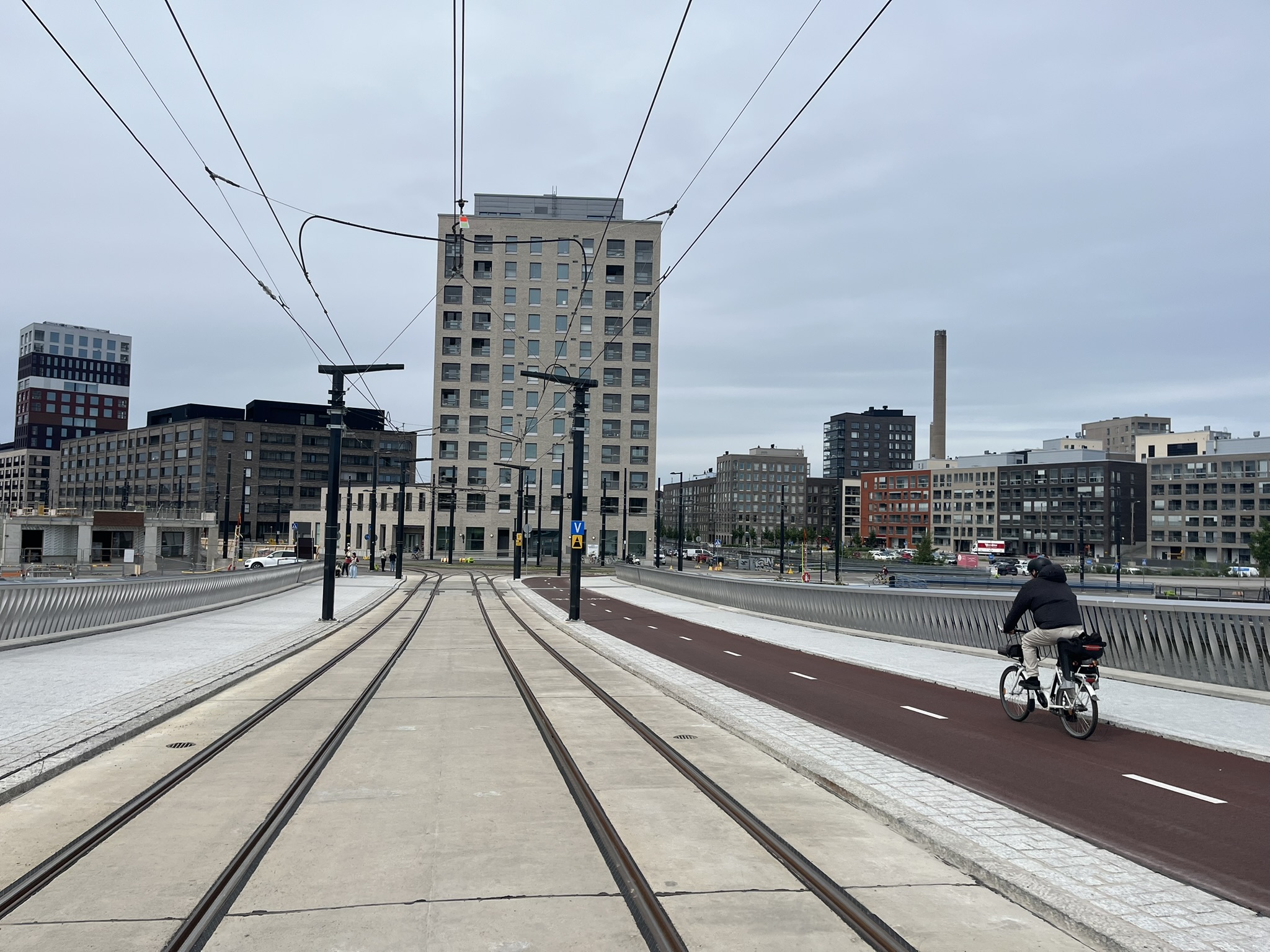
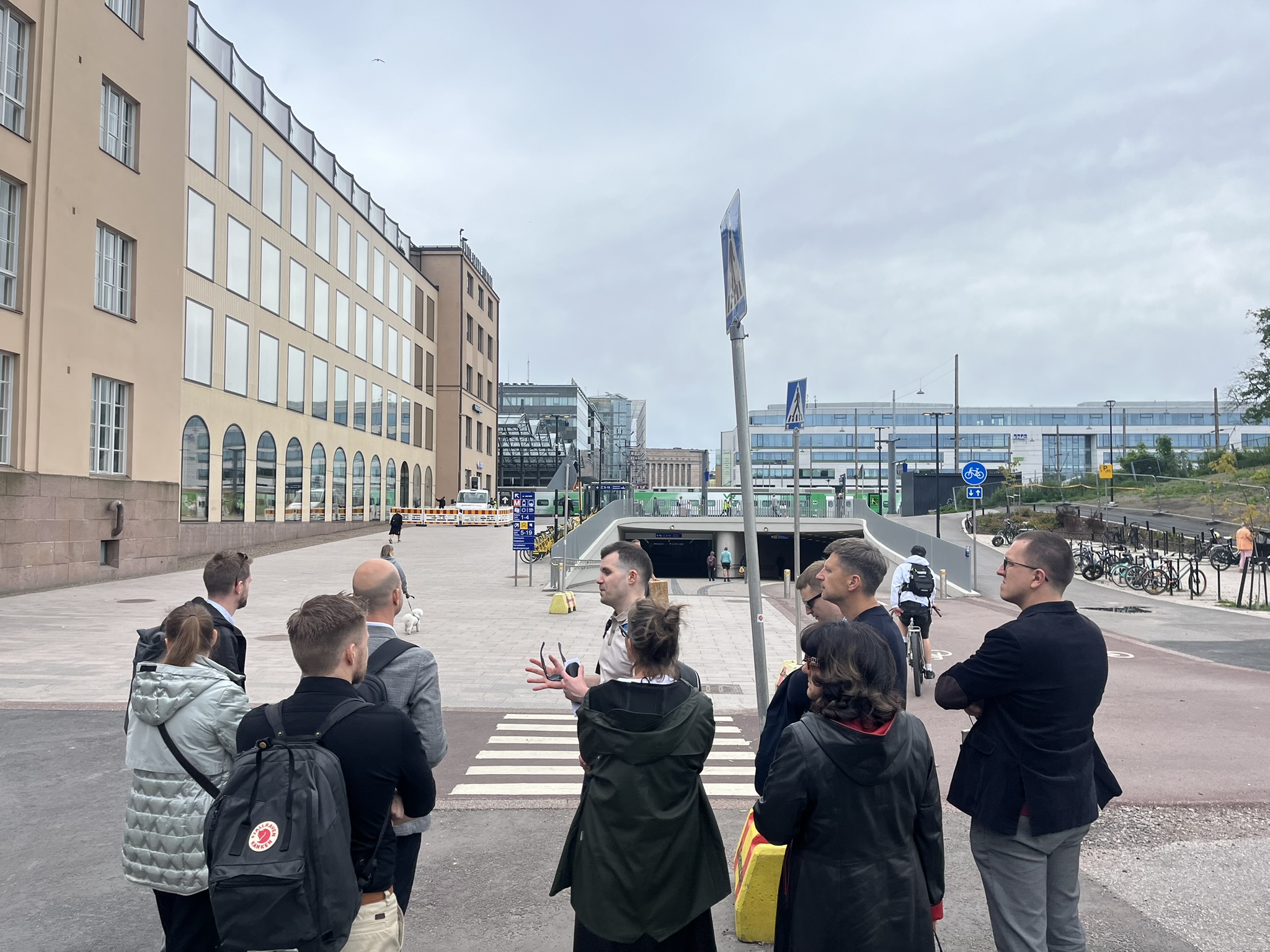
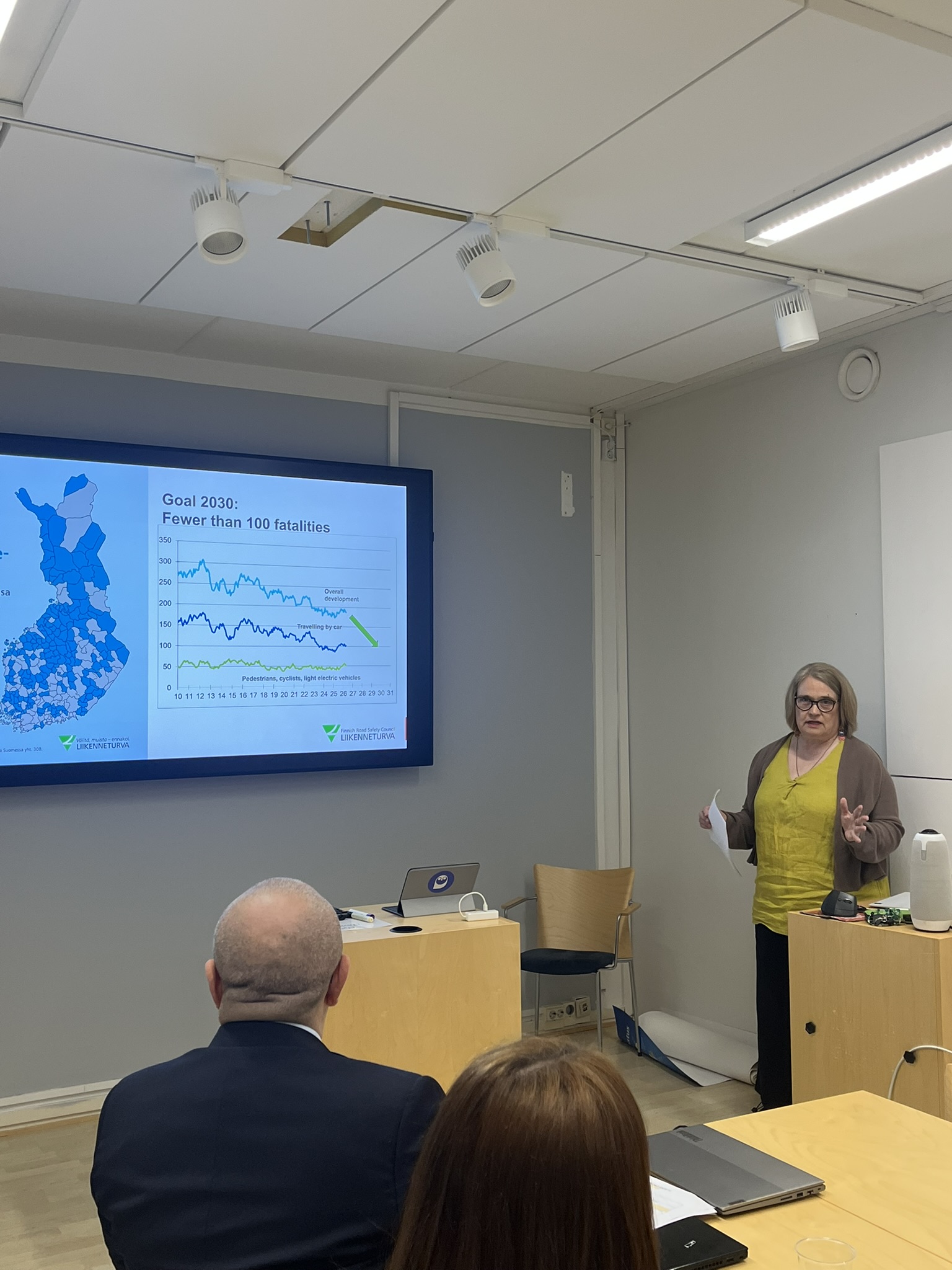
The second day was hosted by Liikenneturva, the Finnish Road Safety Council, and opened with a presentation by Satu Tuomikoski, Training Manager. She outlined Finland’s approach to road safety, including the roles of the different organisations involved and how they cooperate across national, regional and local levels.
She then presented their work on road safety education, showing how it is integrated across different stages of life, from early childhood onwards, with clear learning objectives adapted to different age groups and cooperation with municipalities and schools to help promote safe behaviour among children and young people.
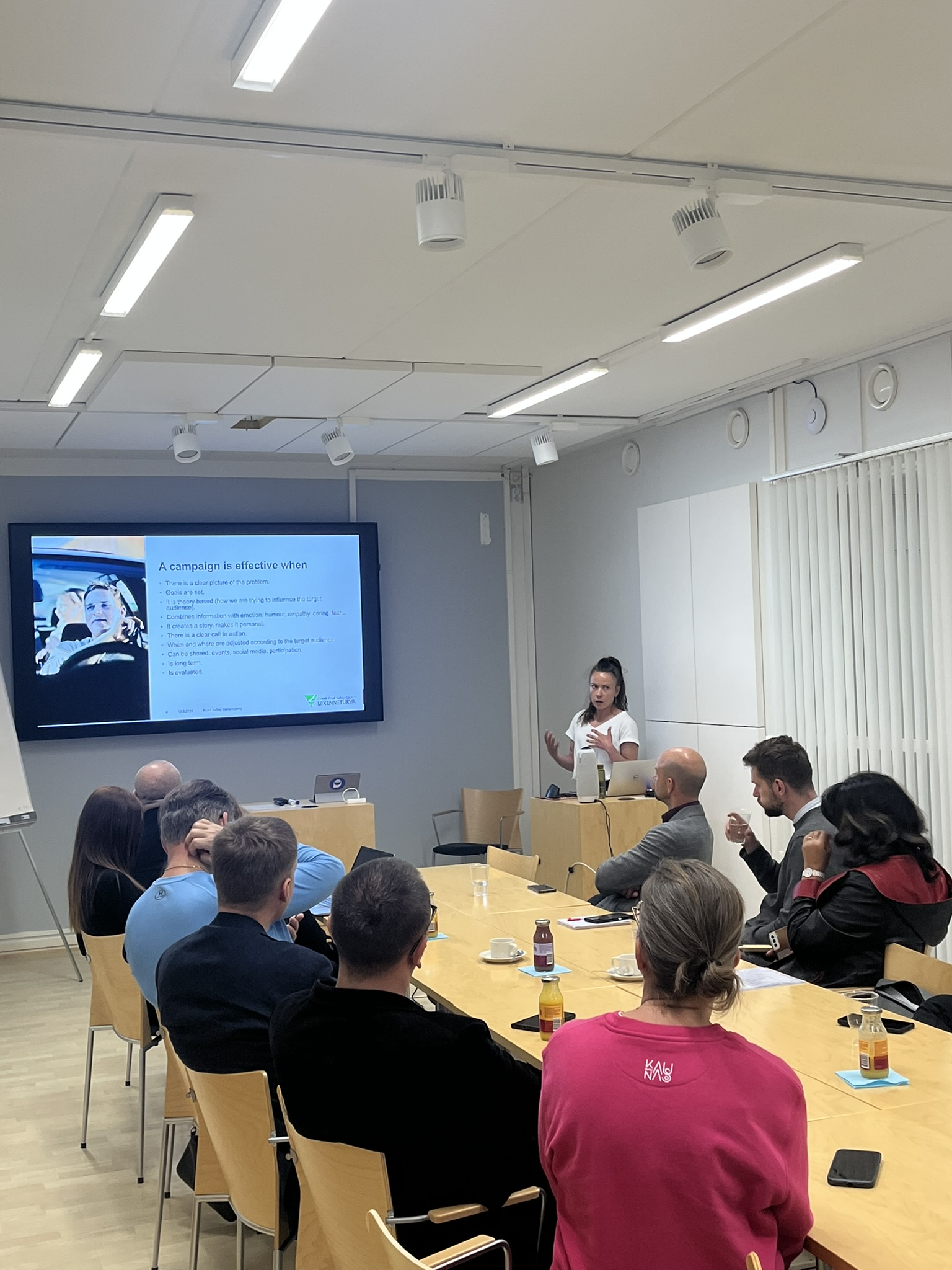
Minna Saarinen, Communications Planner at Liikenneturva, presented examples of road safety campaigns in Finland, covering topics such as helmet use, drink driving, speed and e-scooter safety.
The session also highlighted the Finnish approach to long-term communication, with campaigns often focusing on a single road safety topic for three to four years. Participants learned how campaign results are monitored and evaluated over time, helping to assess their effectiveness and inform future communication activities.
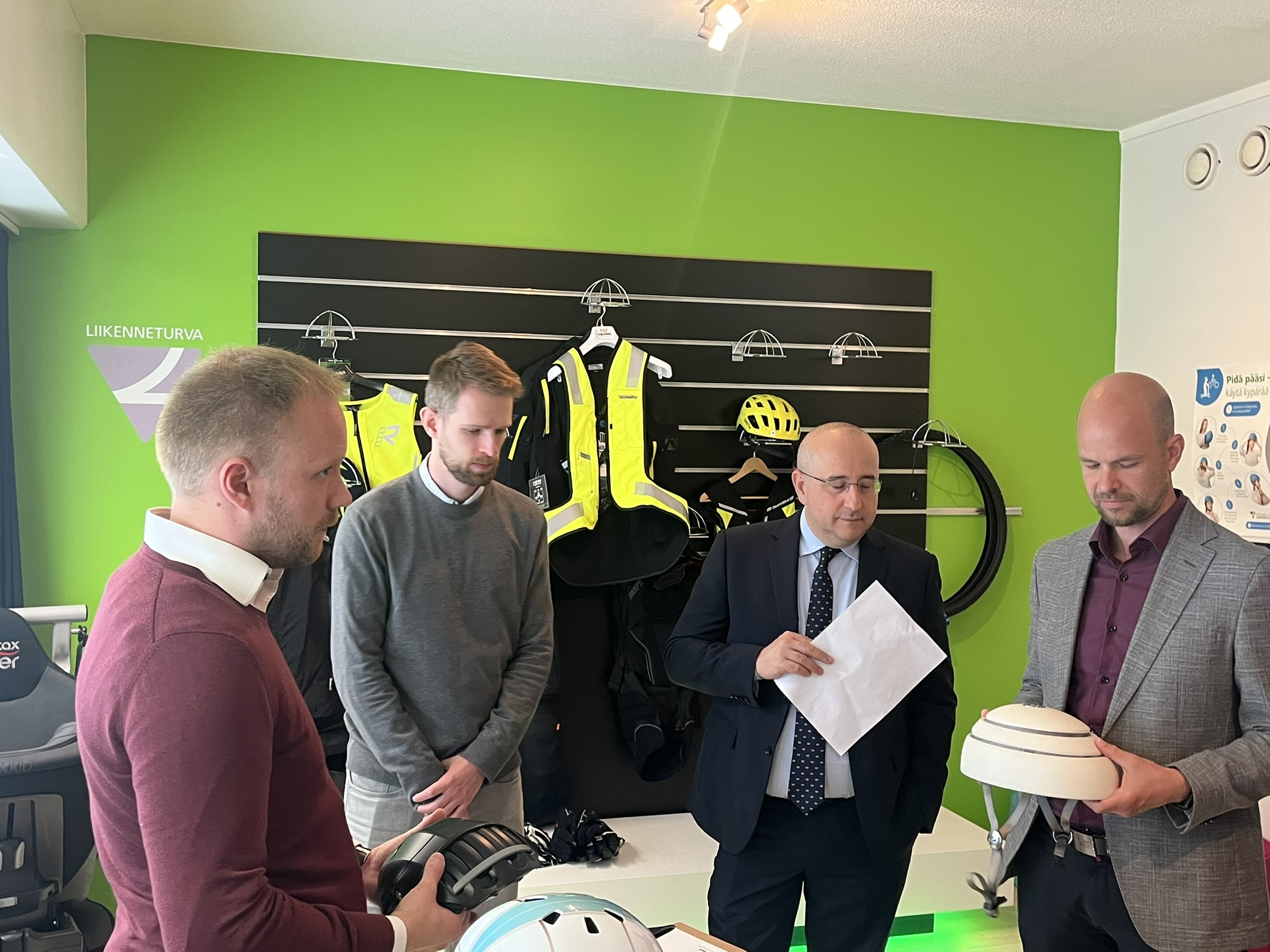
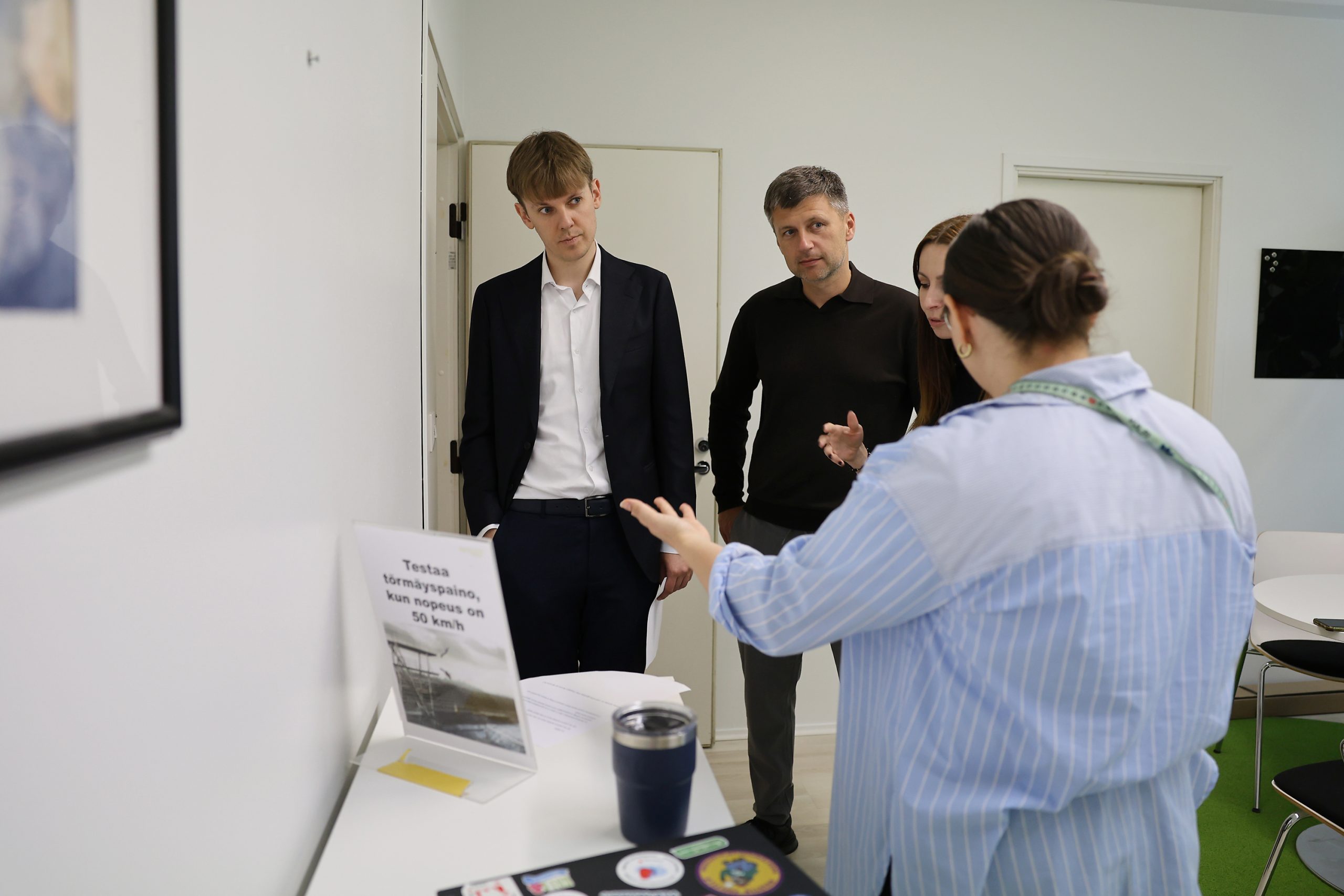
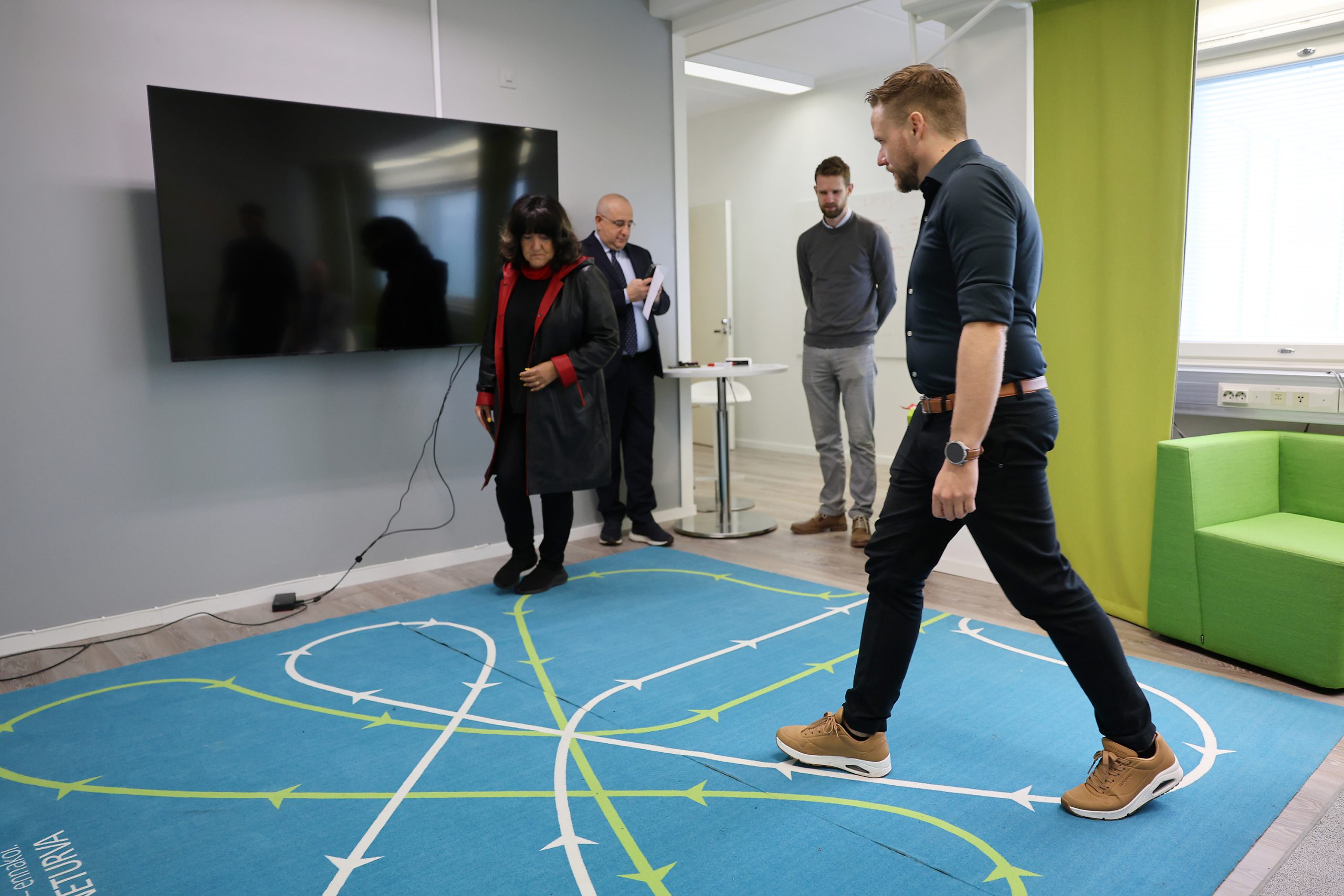
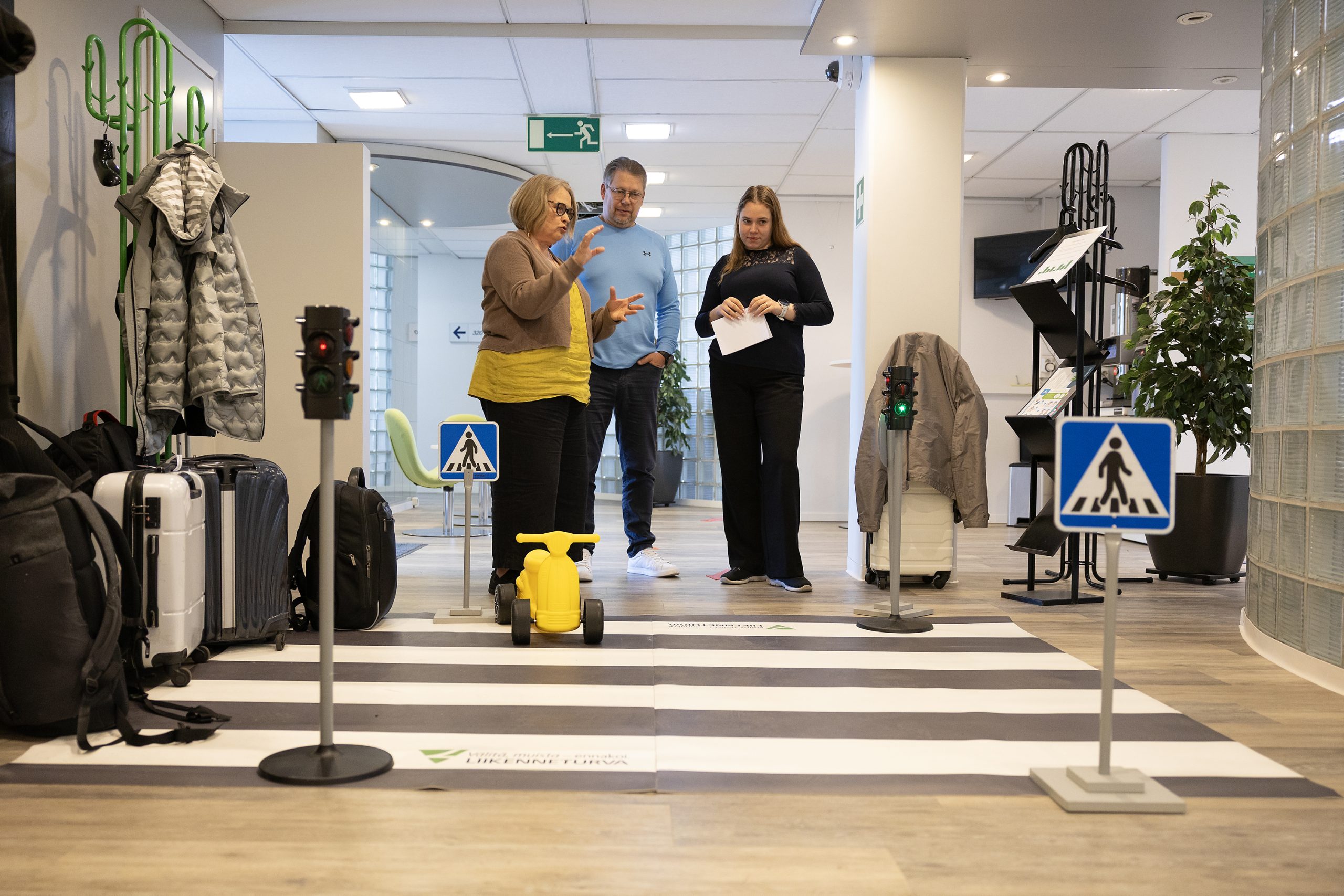

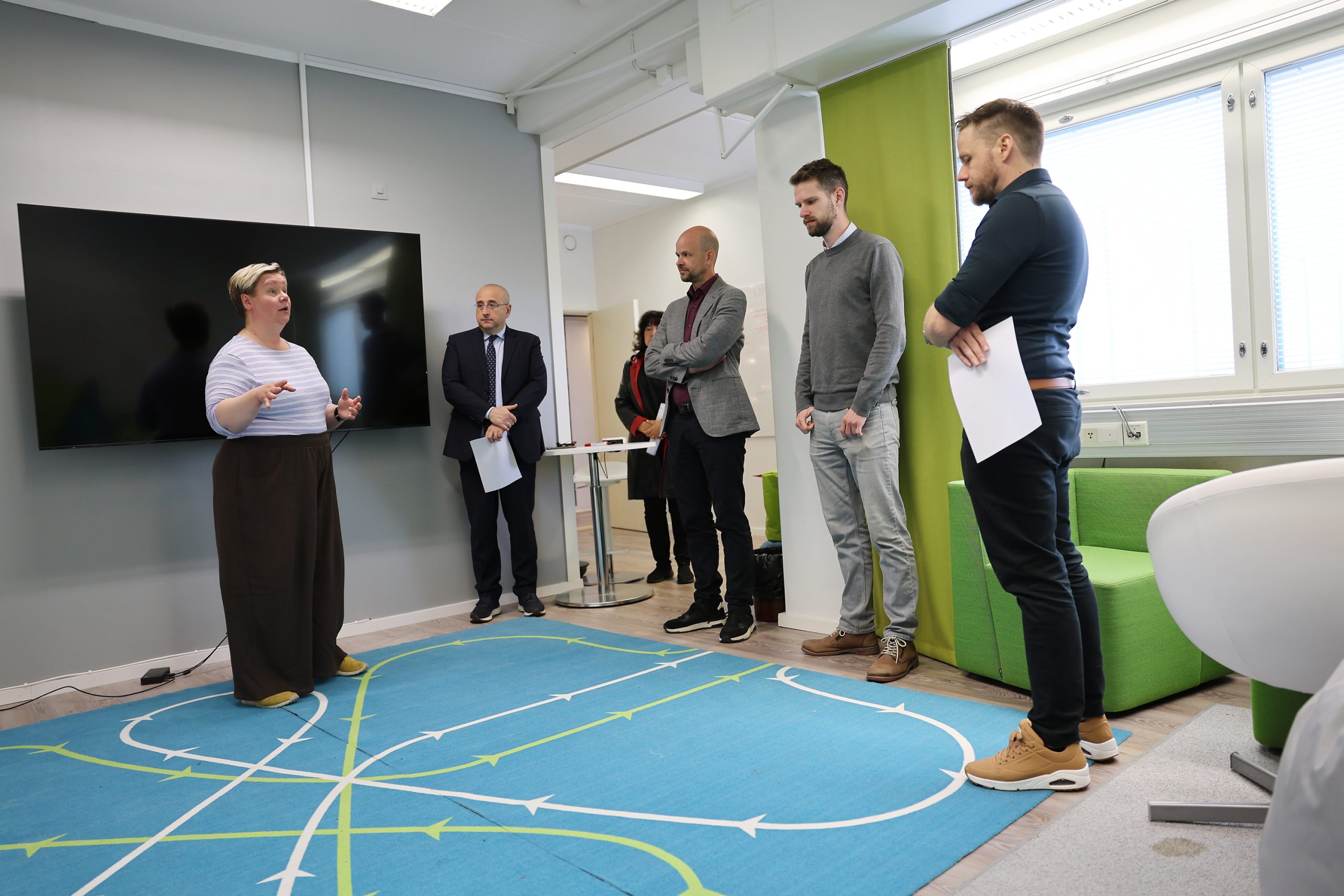
The visit concluded with practical demonstrations of educational activities and communication tools used by Liikenneturva at various events.
Participants had the opportunity to experience interactive exercises addressing driver distraction and other risk factors, as well as activities designed to introduce children to safe behaviour in traffic from an early age (Photo credit: Liikenneturva)
The study visit provided an opportunity for the seven participating cities to exchange experiences on urban road safety, sustainable mobility, education and communication, while discussing practical solutions that could be adapted and applied in their own local contexts.
EU Road Safety Exchange creates a network of road safety professionals committed to sharing good practice and making safer roads across the EU.