Gothenburg urban study visit on Safe System street design and innovation 2026
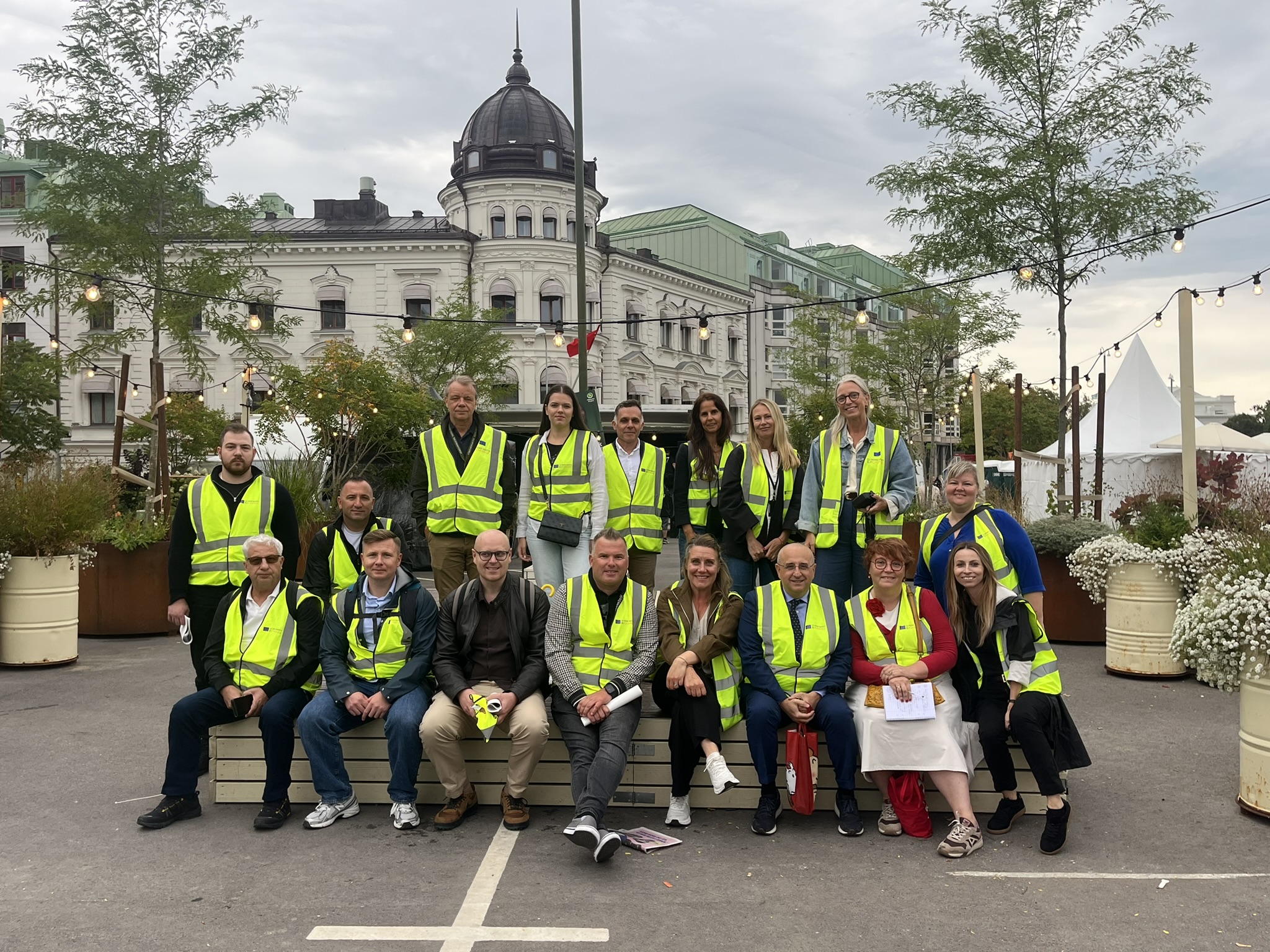
The third urban study visit organised as part of the EU-funded EU Road Safety Exchange project took place in Gothenburg on 27–28 August 2026.
Hosted by the City of Gothenburg, the visit brought together representatives from Maribor, Pärnu, Vilnius, Burgas, Braga, Brussels and Wrocław, as well as the Portuguese National Road Safety Authority (ANSR) and the European Transport Safety Council (ETSC).
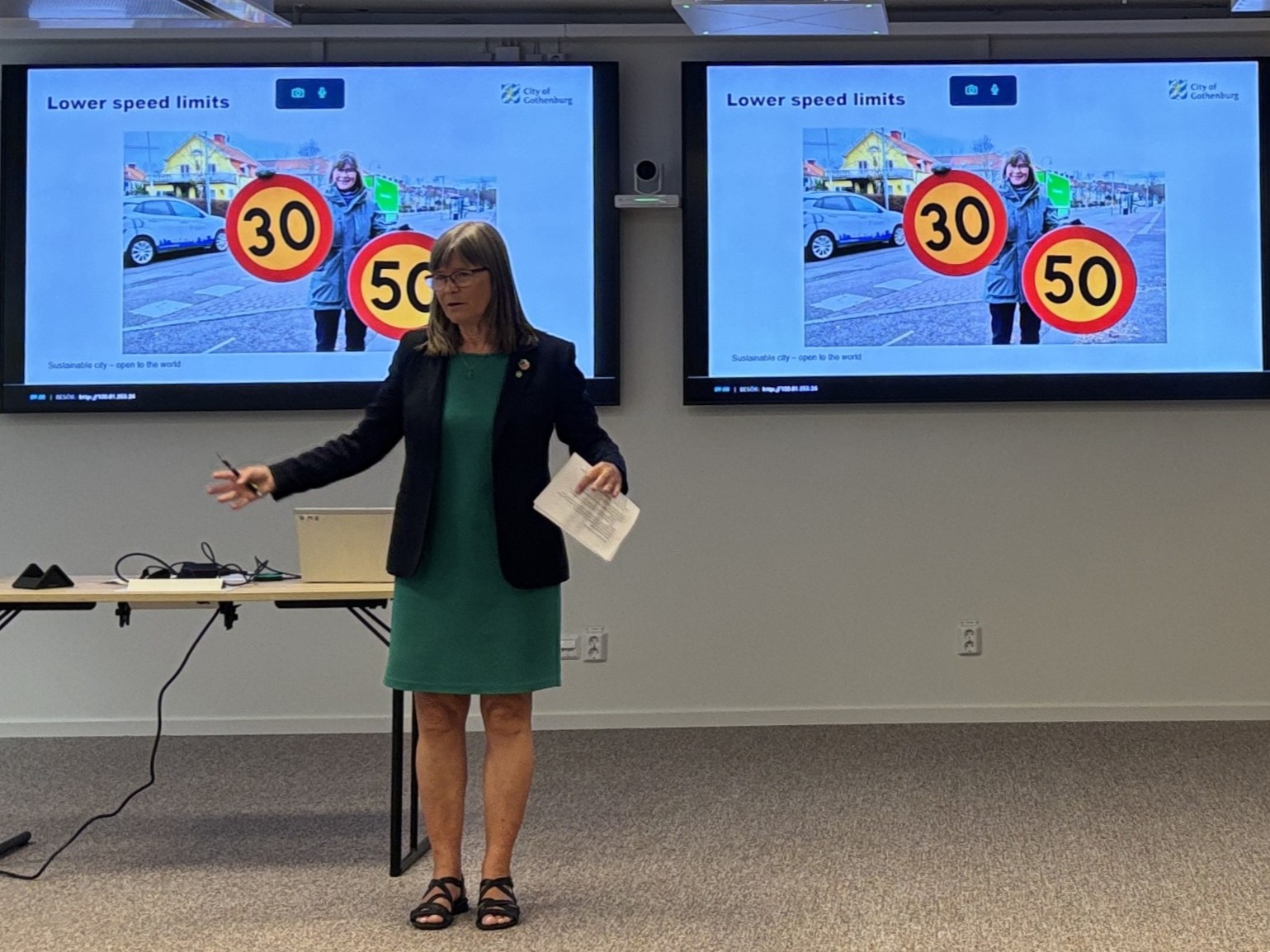
The visit opened with a welcome from Karin Pleijel, Deputy Mayor and Chair of the Urban Environment Committee, who introduced Gothenburg’s objectives for healthy living environment and ongoing work on road safety.
She highlighted the importance of lower speed limits, including the city’s shift from 50 to 30 km/h, its ambition to become a safer city for cyclists and its efforts to provide reliable public transport. She also addressed emerging challenges linked to e-scooters, particularly privately owned ones
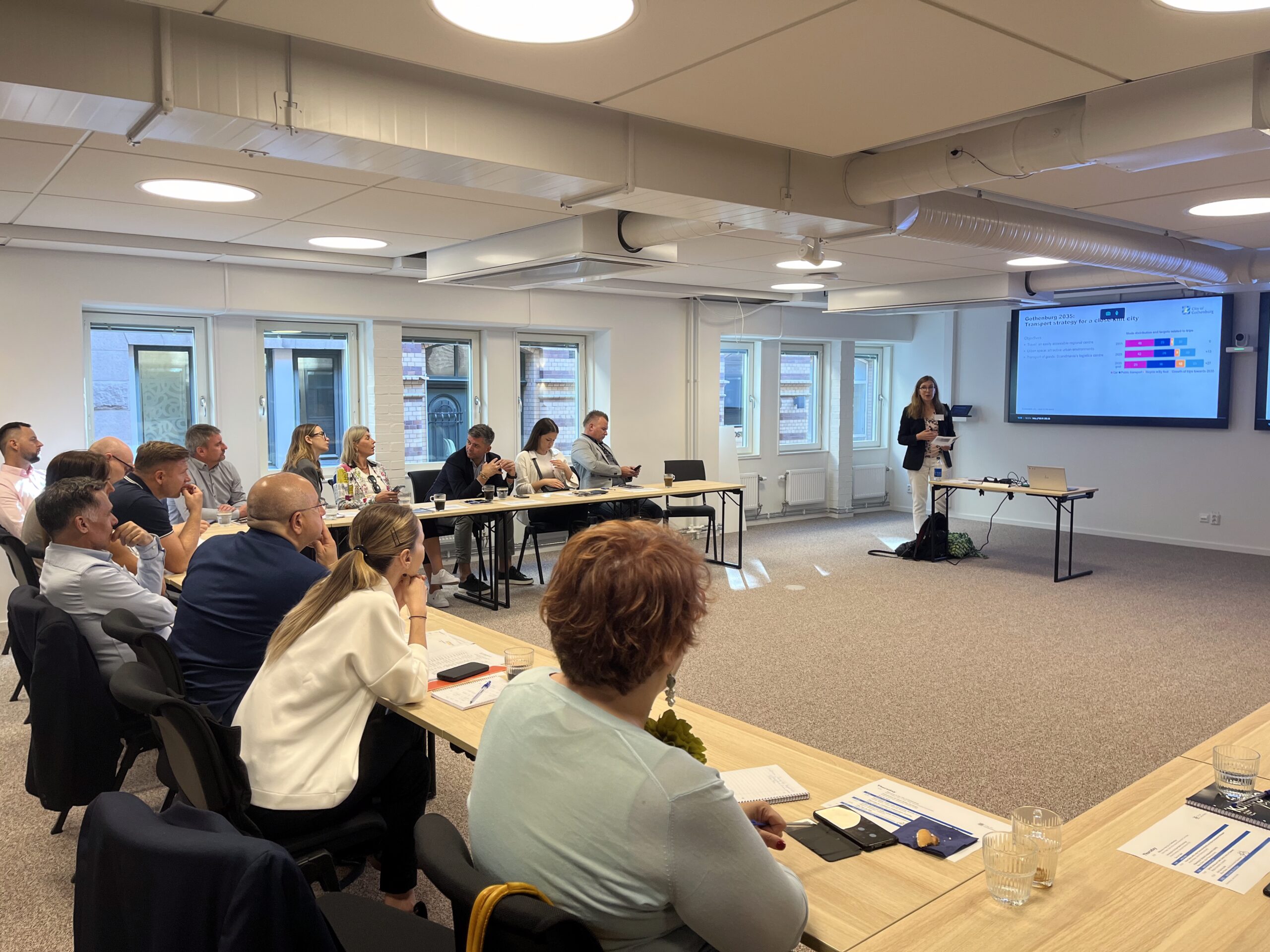
Annika Nilsson from the Urban Planning Authority presented the city’s strategic approach to road safety and explained how the principles of Vision Zero are integrated into the municipality’s daily work.
Detailed data play a central role in this work, with particular attention given to single-bicycle collisions and pedestrian falls. Through STRADA road traffic injury database, the city can develop a more complete understanding of where and how people are injured, allowing it to target interventions and safety measures effectively.
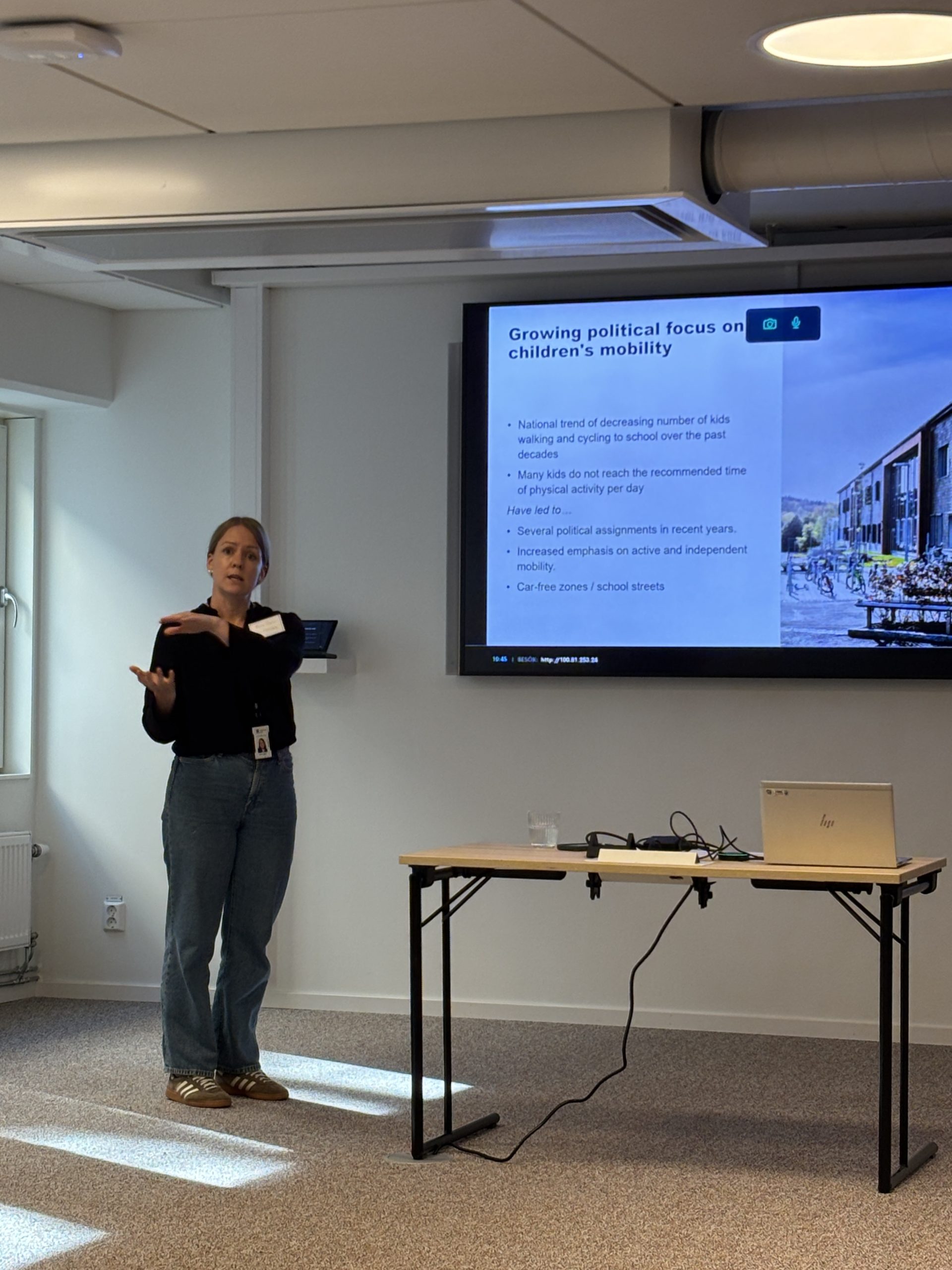
Maria Olsson from the Urban Planning Authority followed with a presentation on planning for children’s mobility through Gothenburg’s Safe Routes to School programme (Säkra skolvägar). The city aims for 70% of schoolchildren to walk or cycle to school by 2035.
The programme focuses on transforming streets and public spaces around schools to improve safety and encourage children to be more active and travel independently. The city also regularly surveys residents and parents to understand how safe they feel around schools and assess their views on existing conditions and the measures introduced.
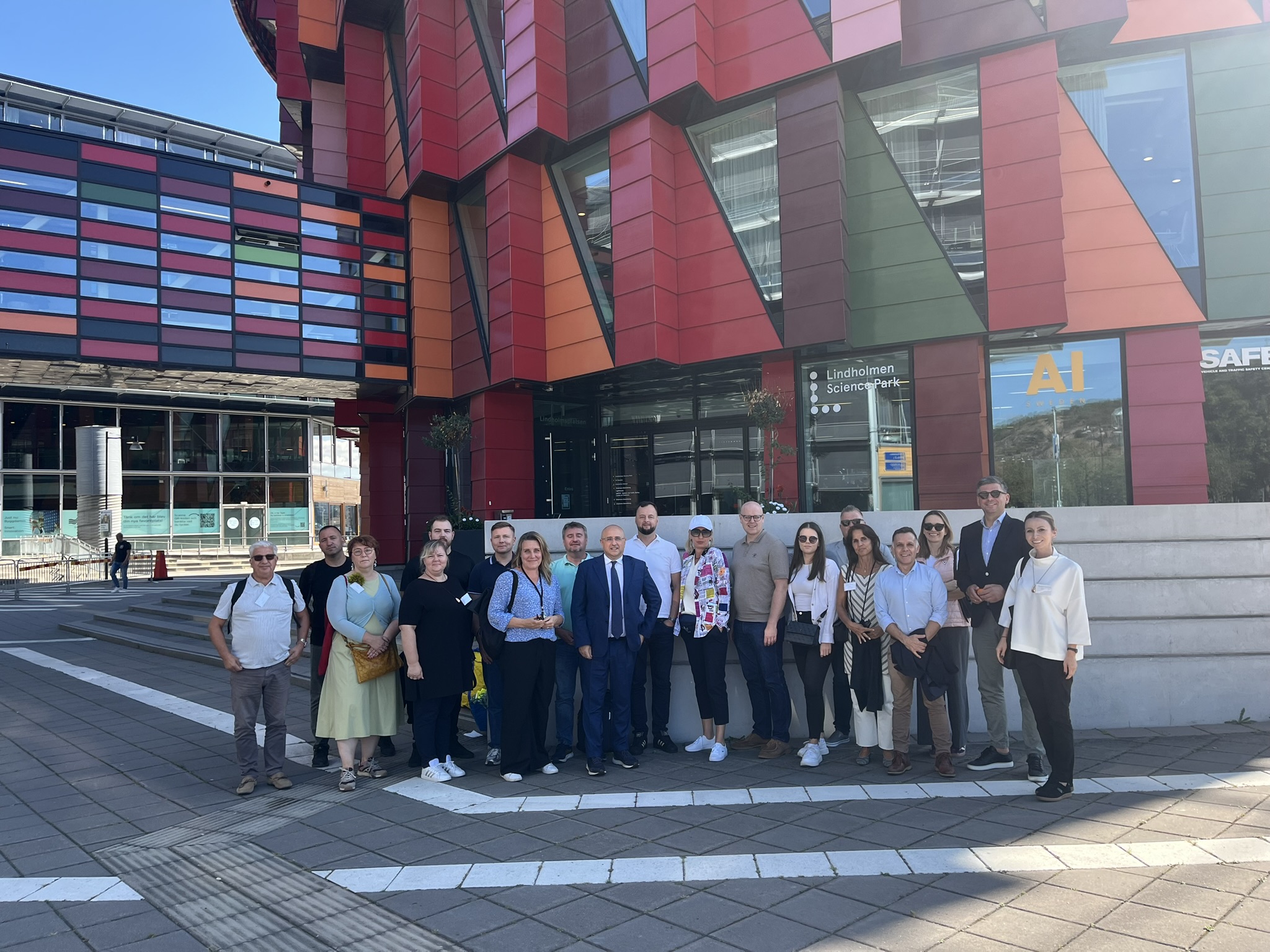
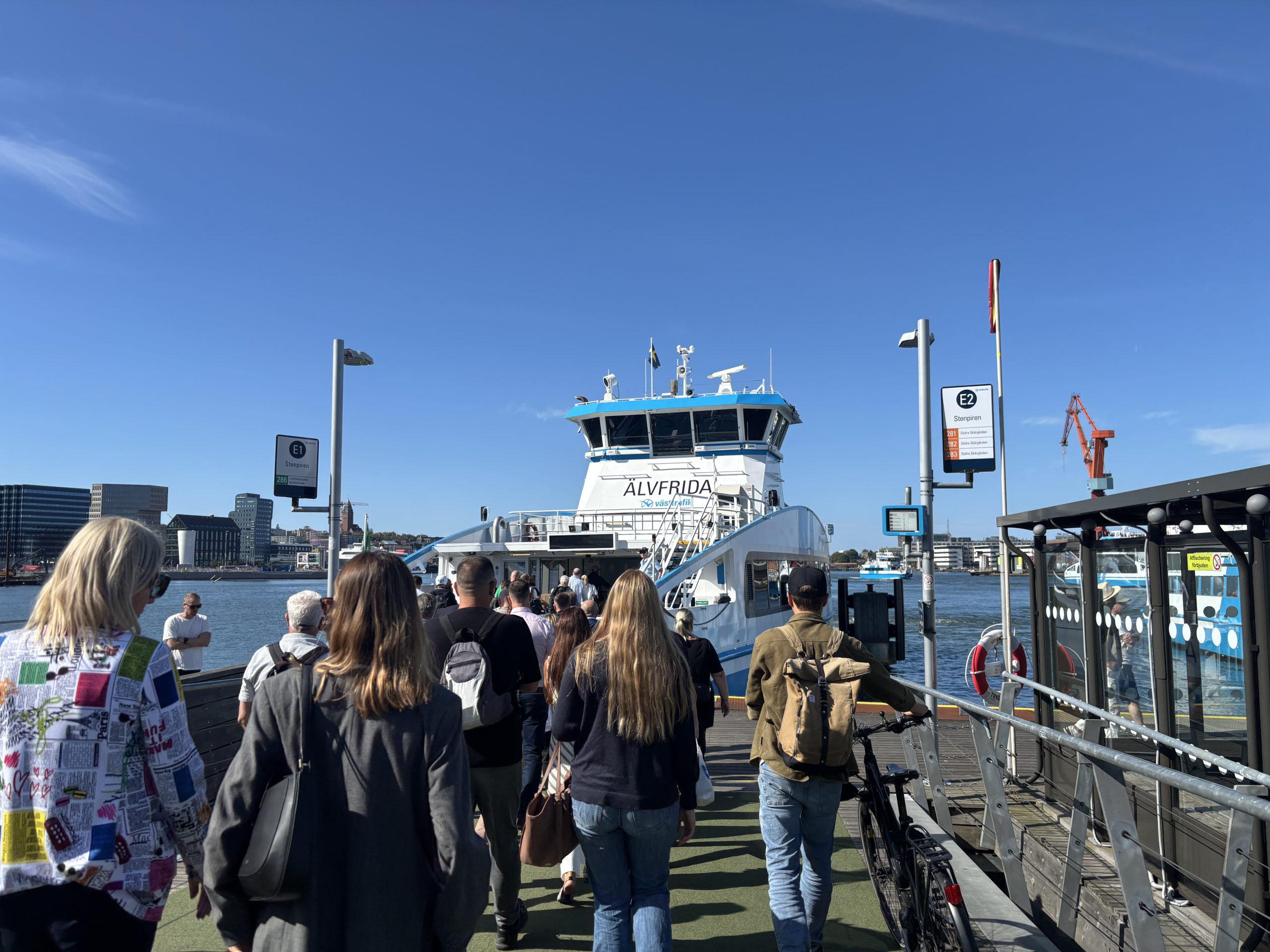
Participants then took a short ferry ride, seeing how this service forms part of Gothenburg’s public transport network and gives residents another way to travel around the city. In the afternoon, discussions continued at the SAFER Vehicle and Traffic Safety Centre at Chalmers University of Technology.
SAFER Director Magnus Granström presented the centre’s work as a collaborative platform for road safety research and knowledge exchange. He explained how public authorities, academic institutions and industry cooperate within the Swedish model, combining their expertise and resources in joint research projects on current and emerging road safety challenges.
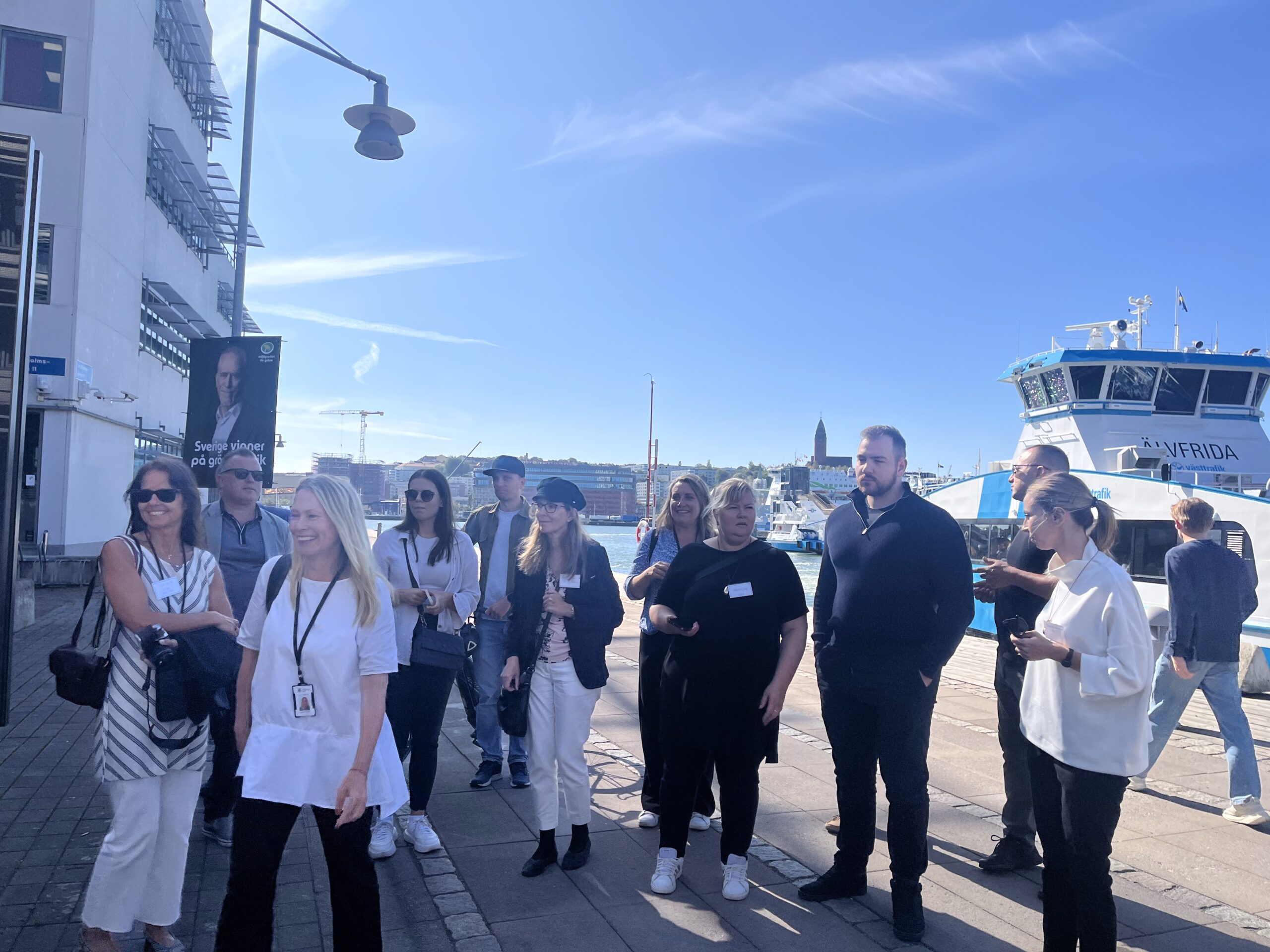
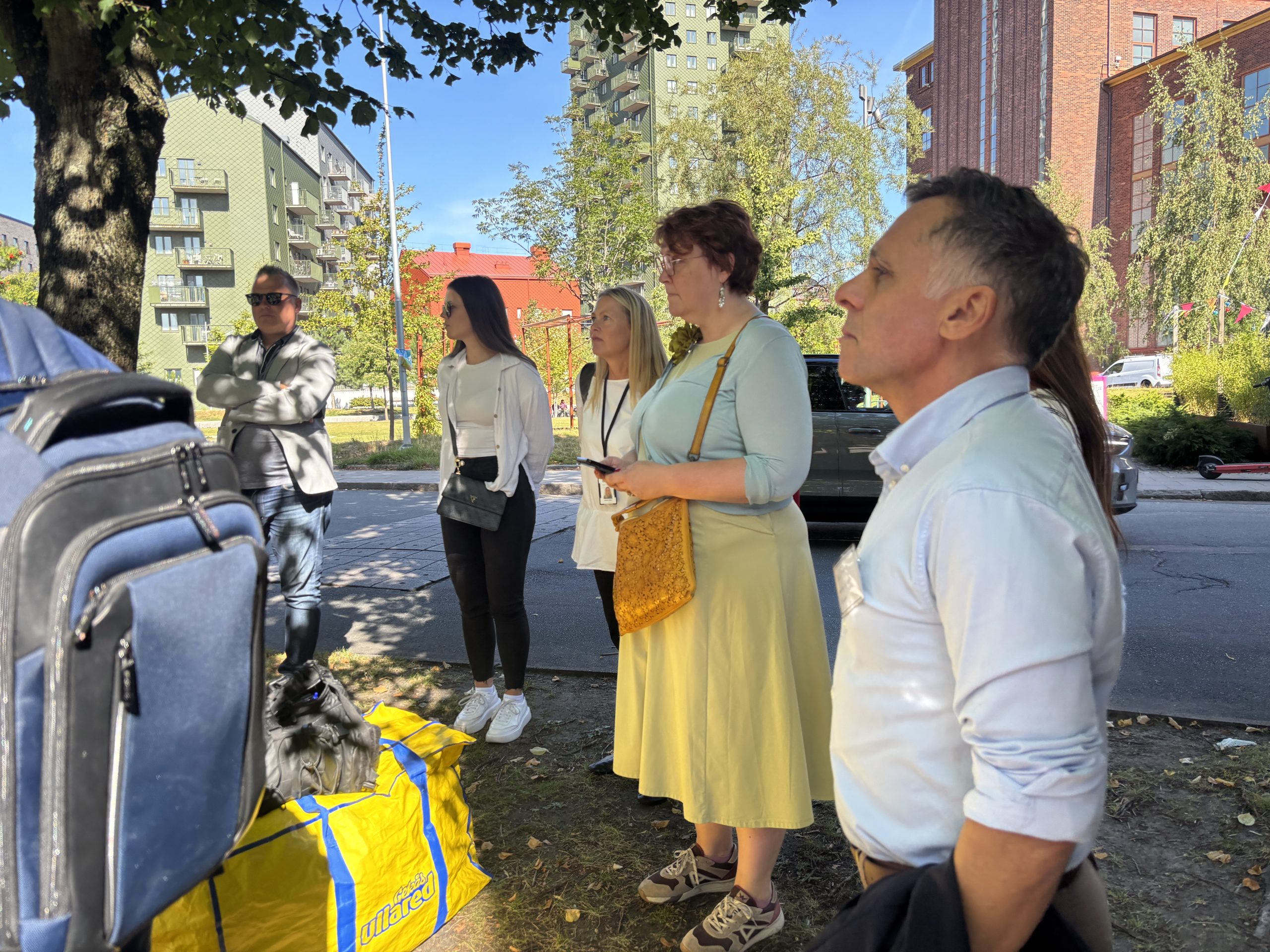
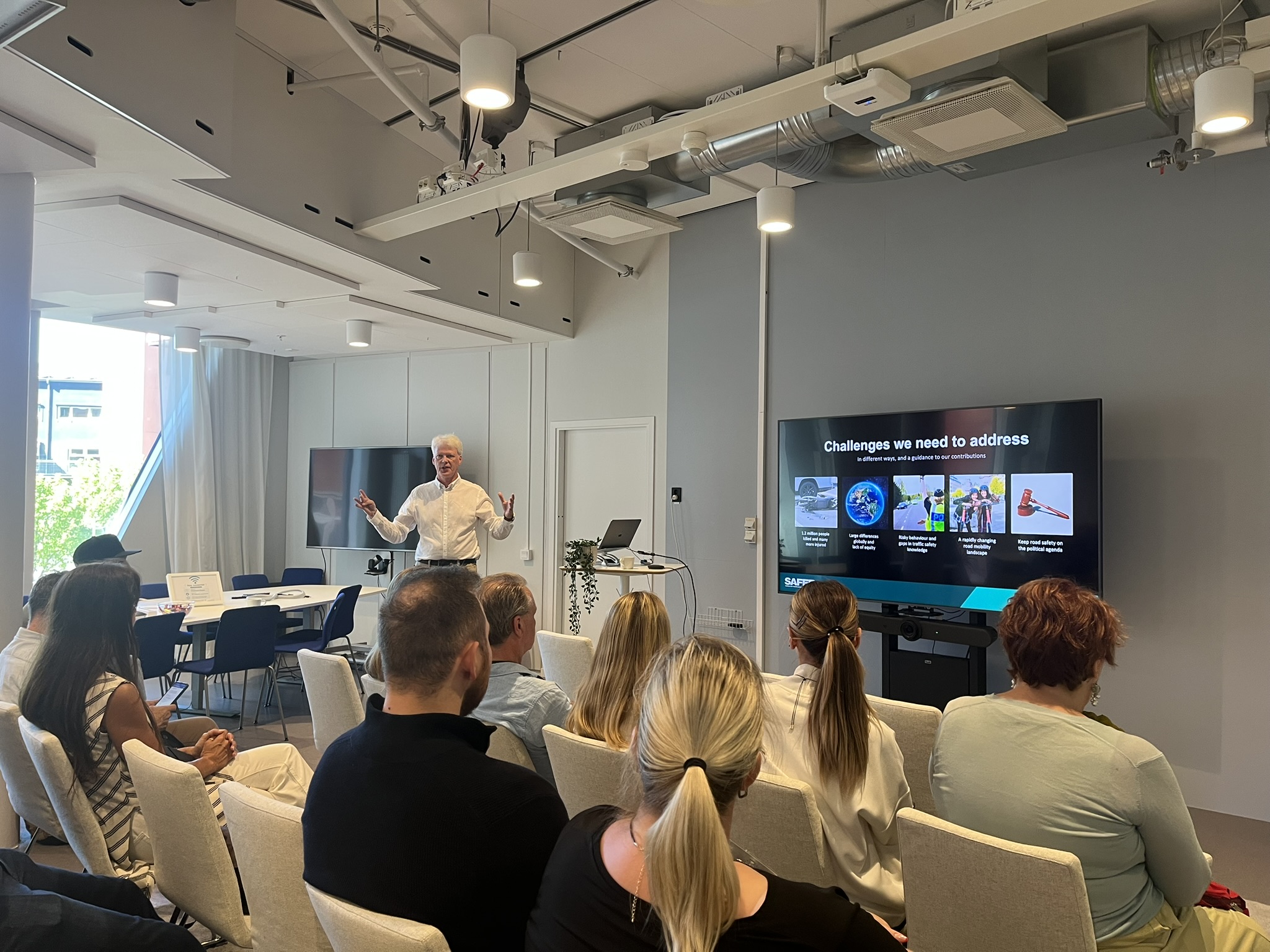
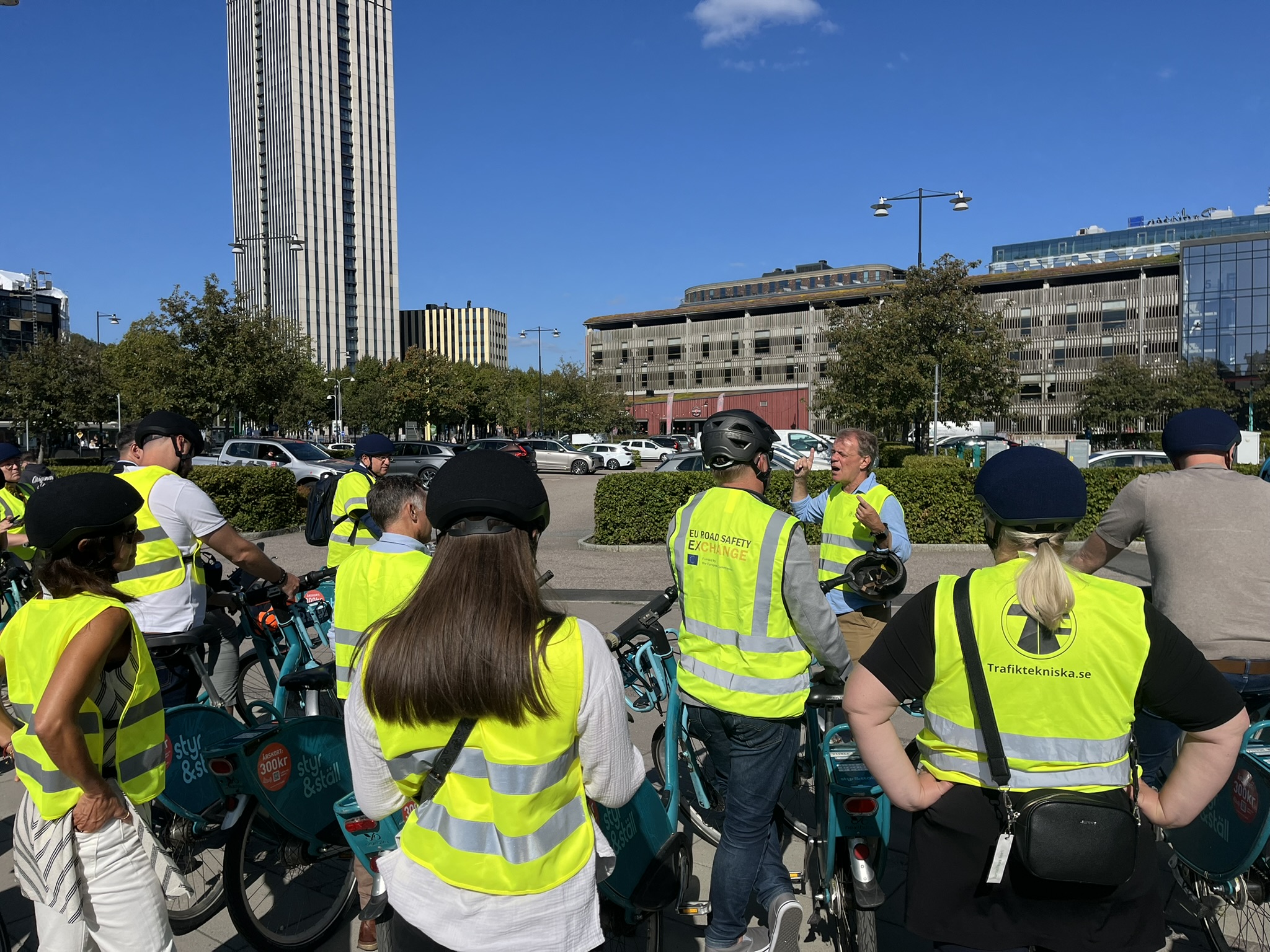
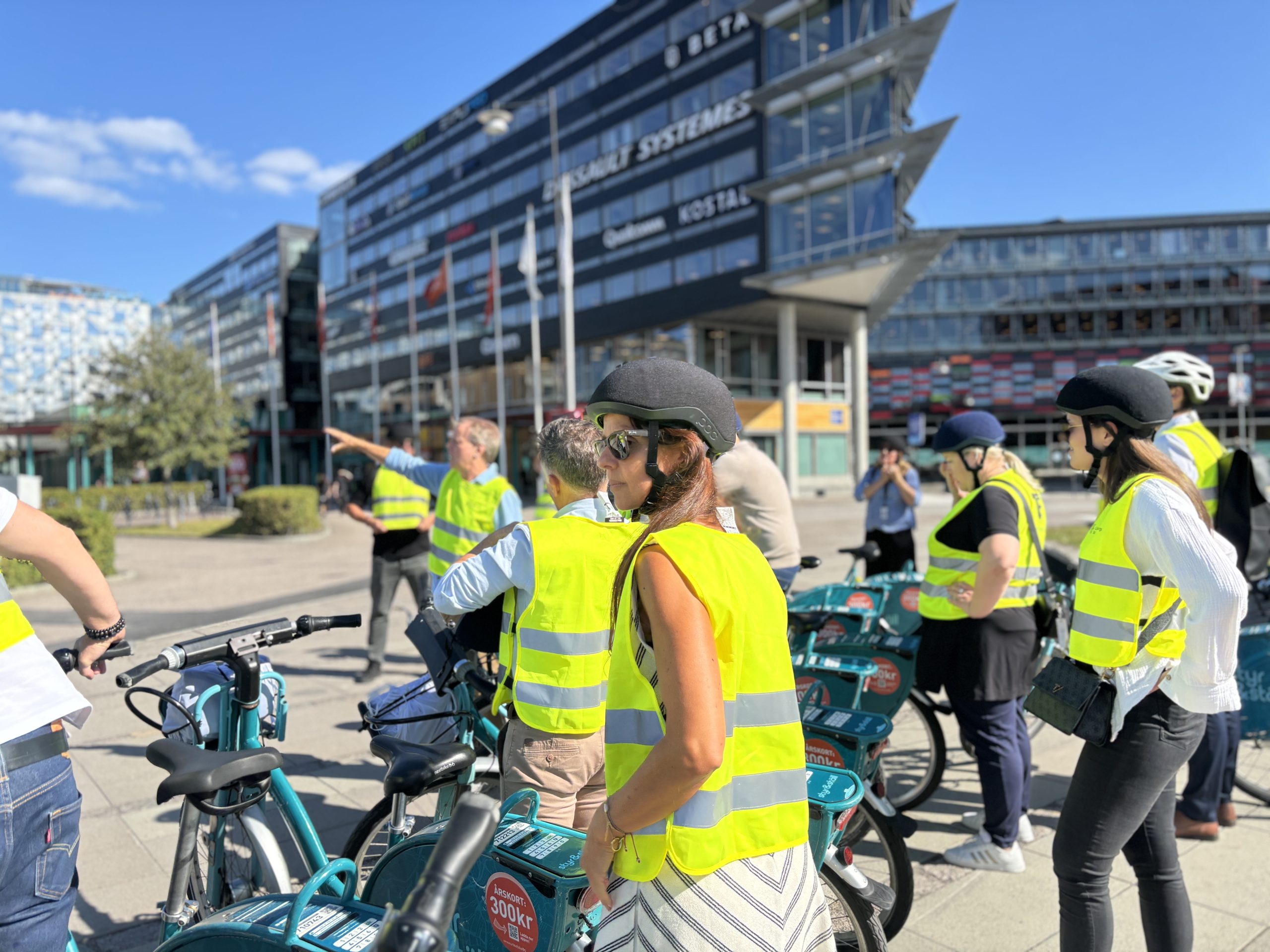
The day concluded with a guided cycling tour led by Mikael Reidal from the Urban Environment Department. Participants saw first-hand how Gothenburg is developing its cycling infrastructure and introducing traffic-calming measures across the city.
The tour also passed ongoing construction works for the city’s underground rail project, providing an opportunity to discuss how Gothenburg is managing traffic flows and maintaining safe access for different road users during major infrastructure works.
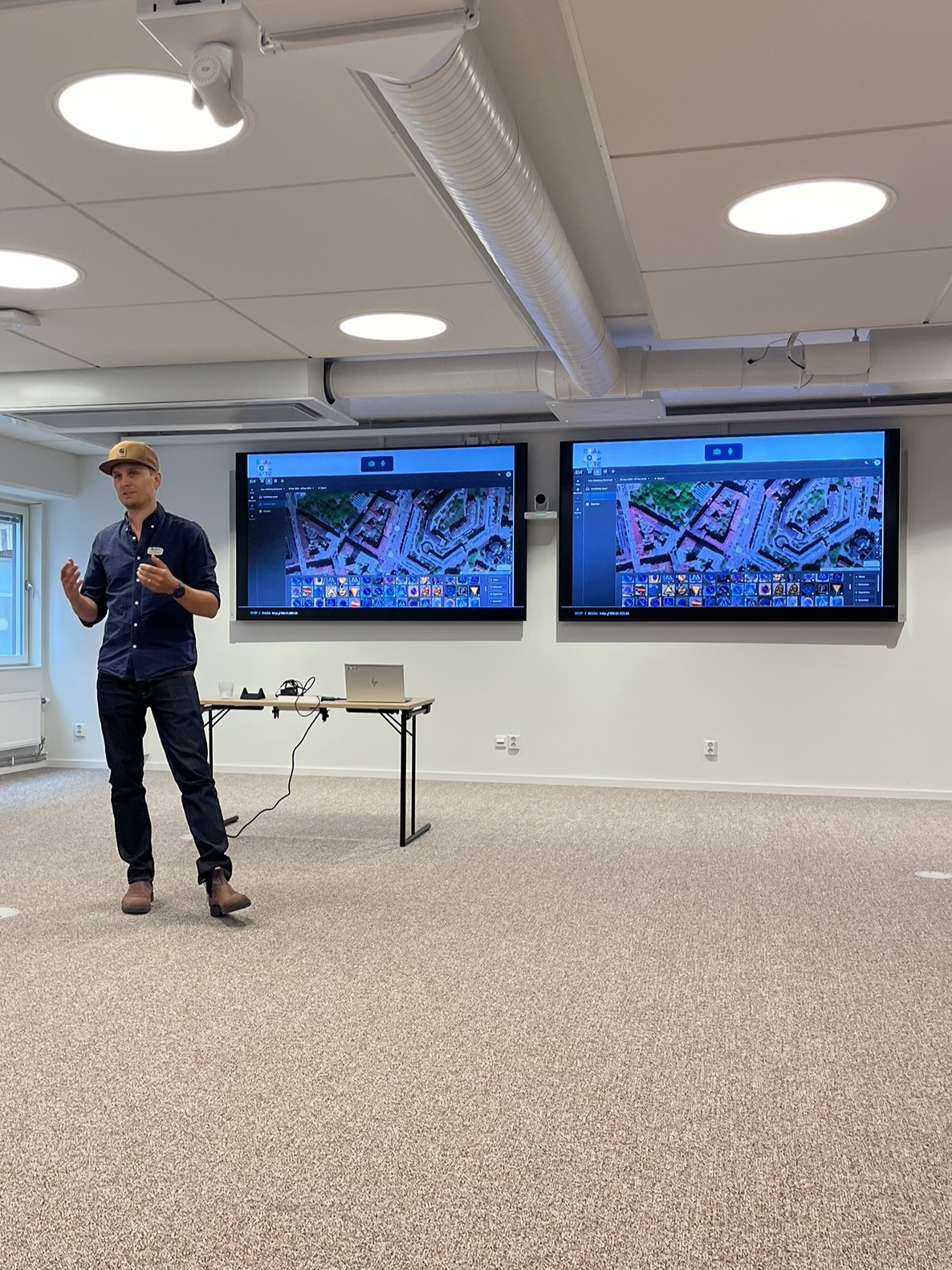
On the second day, Jonas Malmryd from the Urban Environment Department showed Gothenburg’s use of data and analysis to identify risks, prioritise interventions and monitor their impact. He presented digital tools used to visualise temporary traffic arrangements and assess whether they provide a safe and accessible environment for all road users.
With extensive construction work across Gothenborg, the city increasingly treats temporary traffic arrangements as part of the everyday urban environment. Gothenburg has developed a digital twin of the city to support planning and find safer and more efficient mobility solutions, including through automated inspections of roadworks.
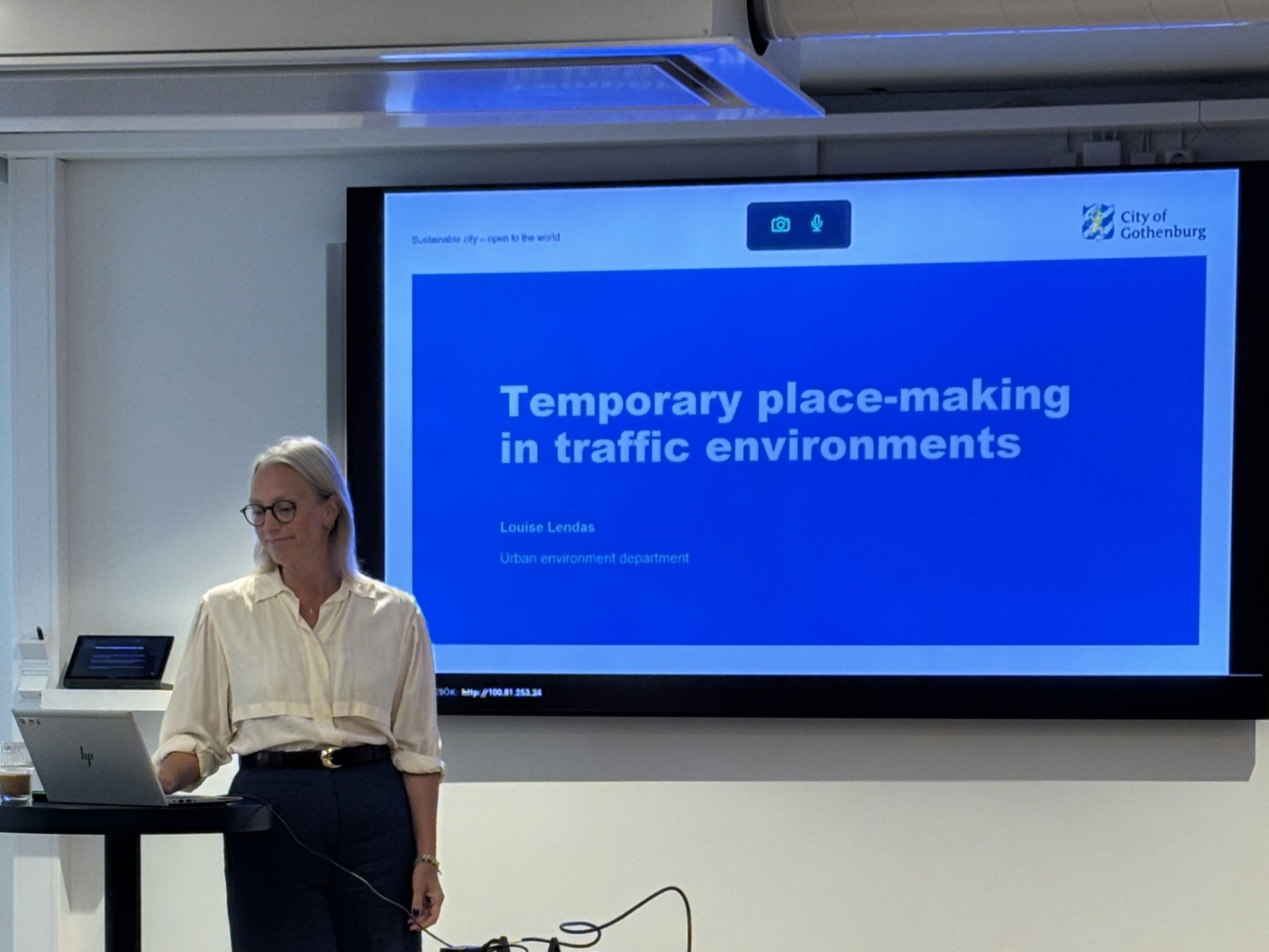
Louise Lendas from the Urban Environment Department then explained how Gothenburg tests, evaluates and expands new approaches to creating safer streets. She presented Ta plats!, an initiative which temporarily transforms streets and public spaces during the summer to support active mobility and public life.
The presentation covered the full process behind these interventions, including communication with affected residents, lessons learned during implementation and the collection of public feedback to understand how the changes are perceived and whether they achieve their intended results.
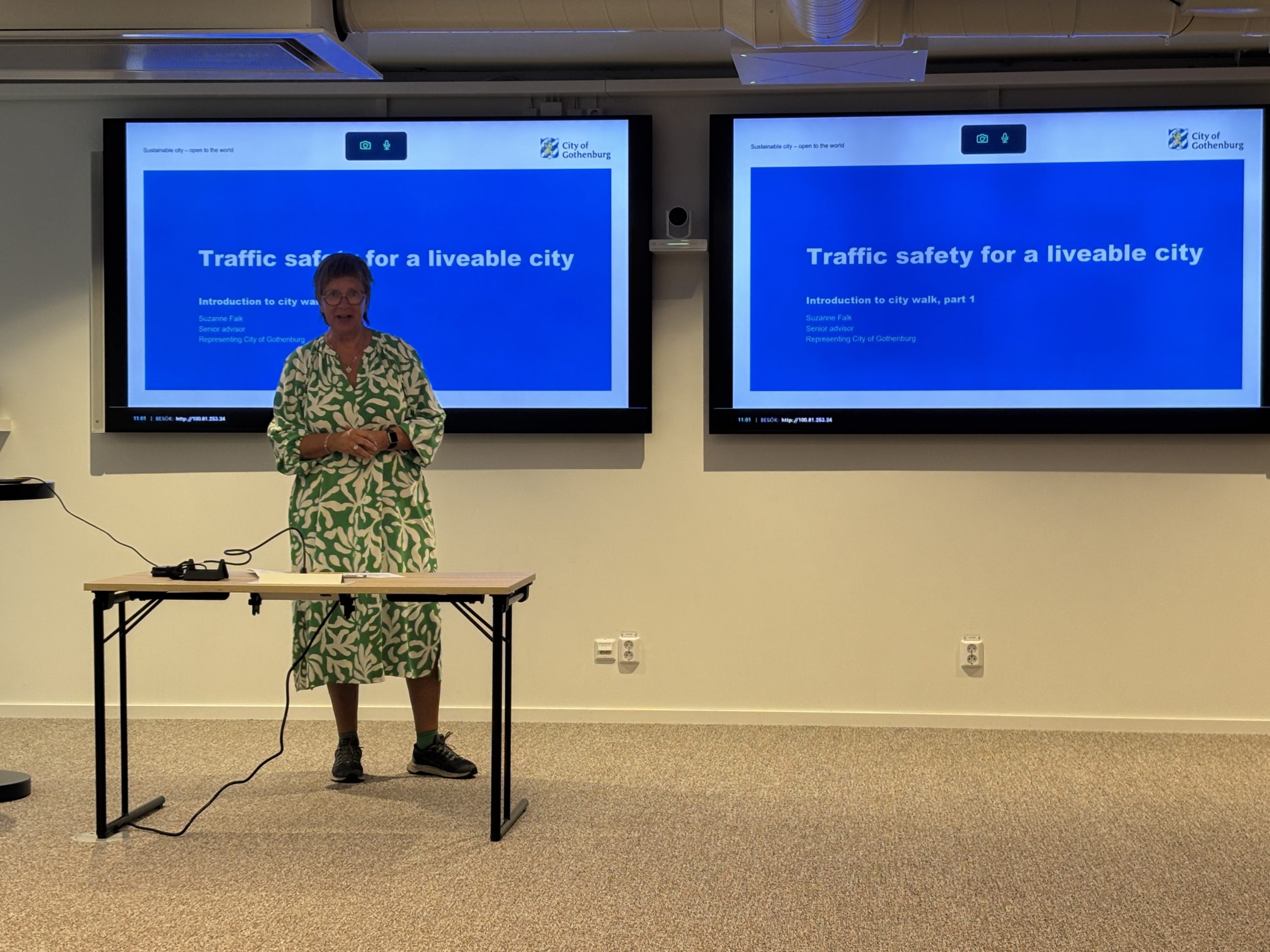
Suzanne Falk, formerly a road safety expert at the City of Gothenburg, then gave an introduction to the afternoon walk, by providing an overview of the historical dedication to traffic safety and traffic-calming measures used across the city.
She also discussed Gothenburg’s long-standing focus on data collection and its use of technologies such as Intelligent Speed Assistance (ISA) and geofencing to improve road safety. Later on, Suzanne led the first part of the guided walking tour.
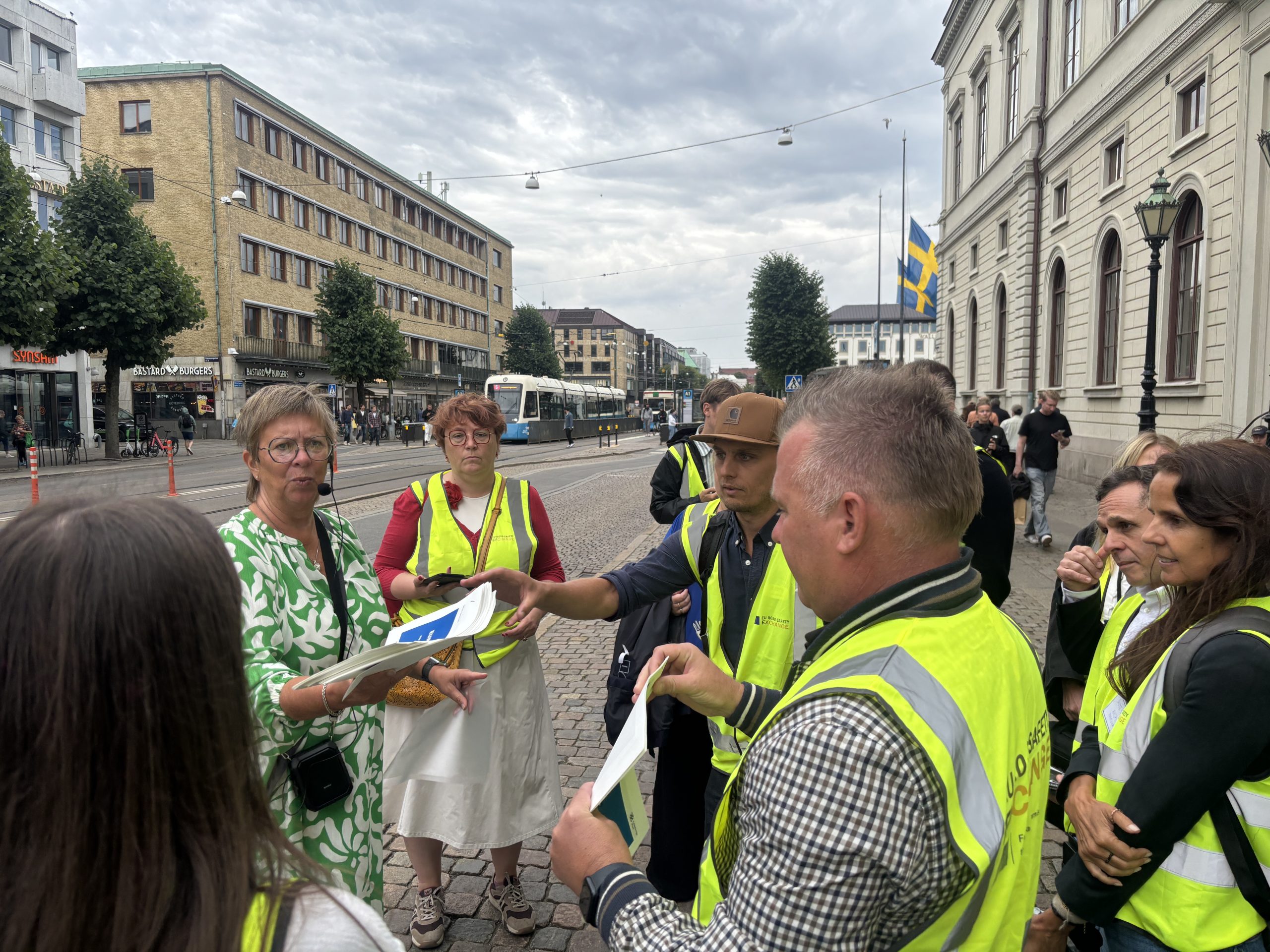
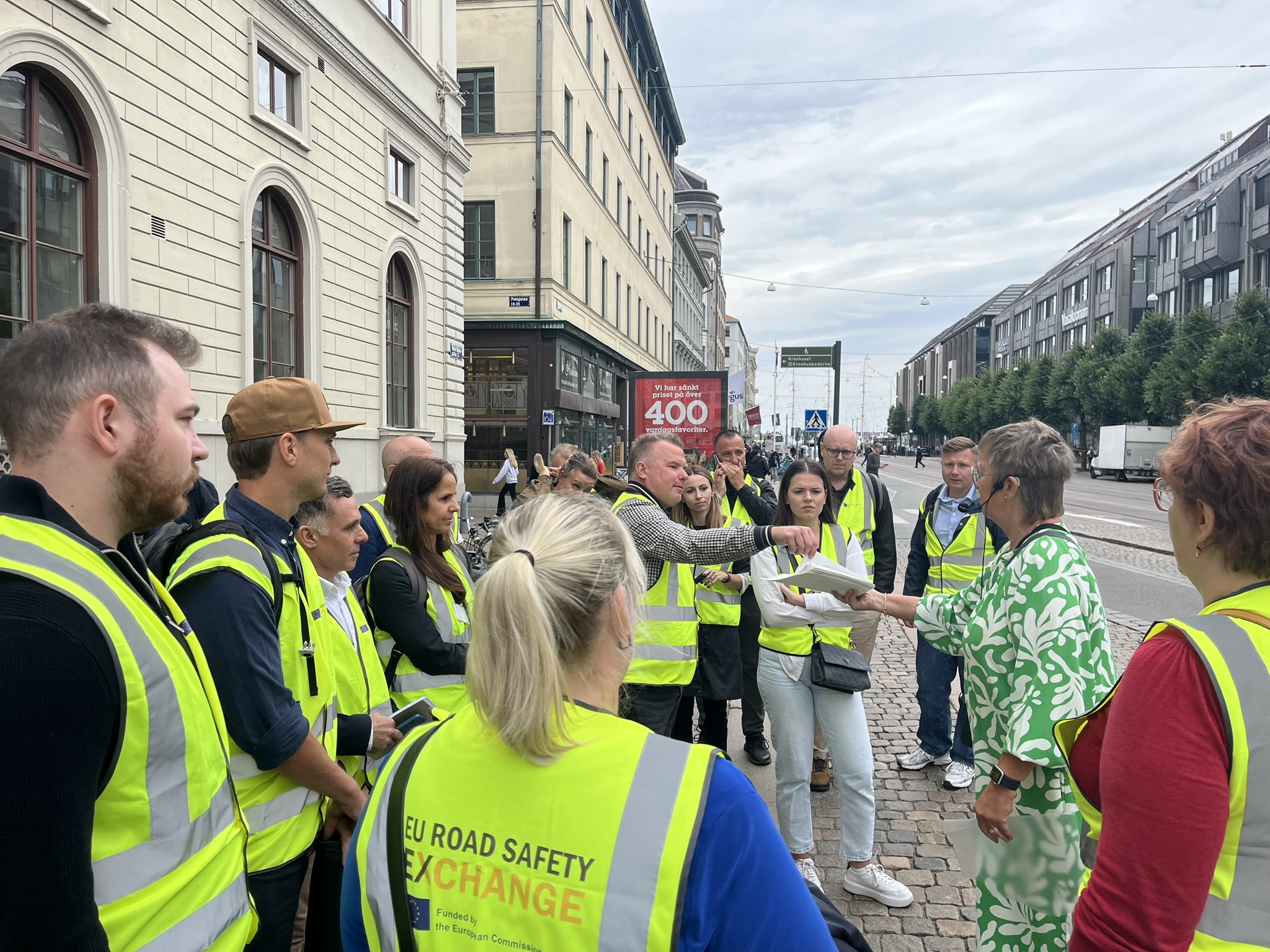
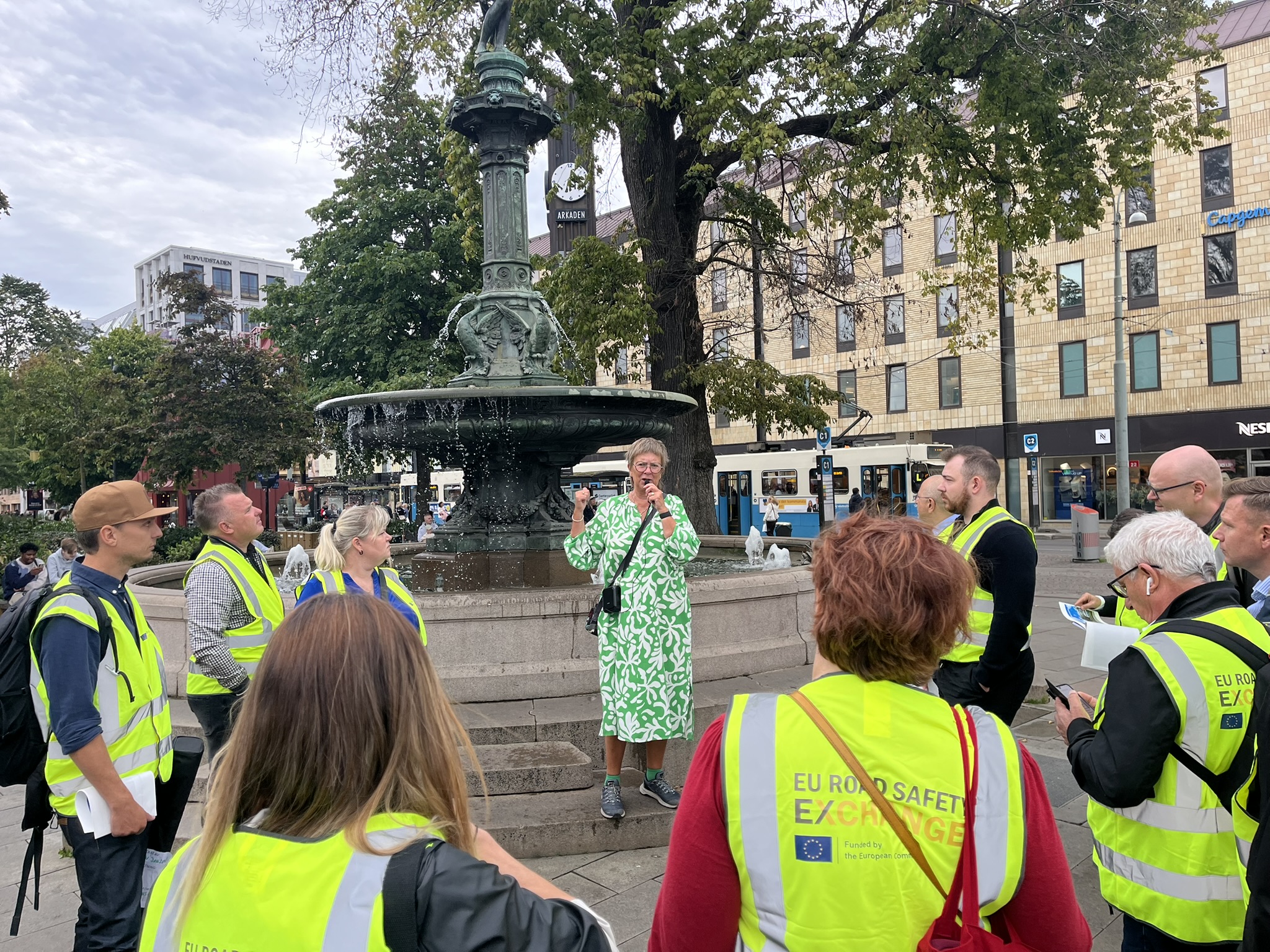
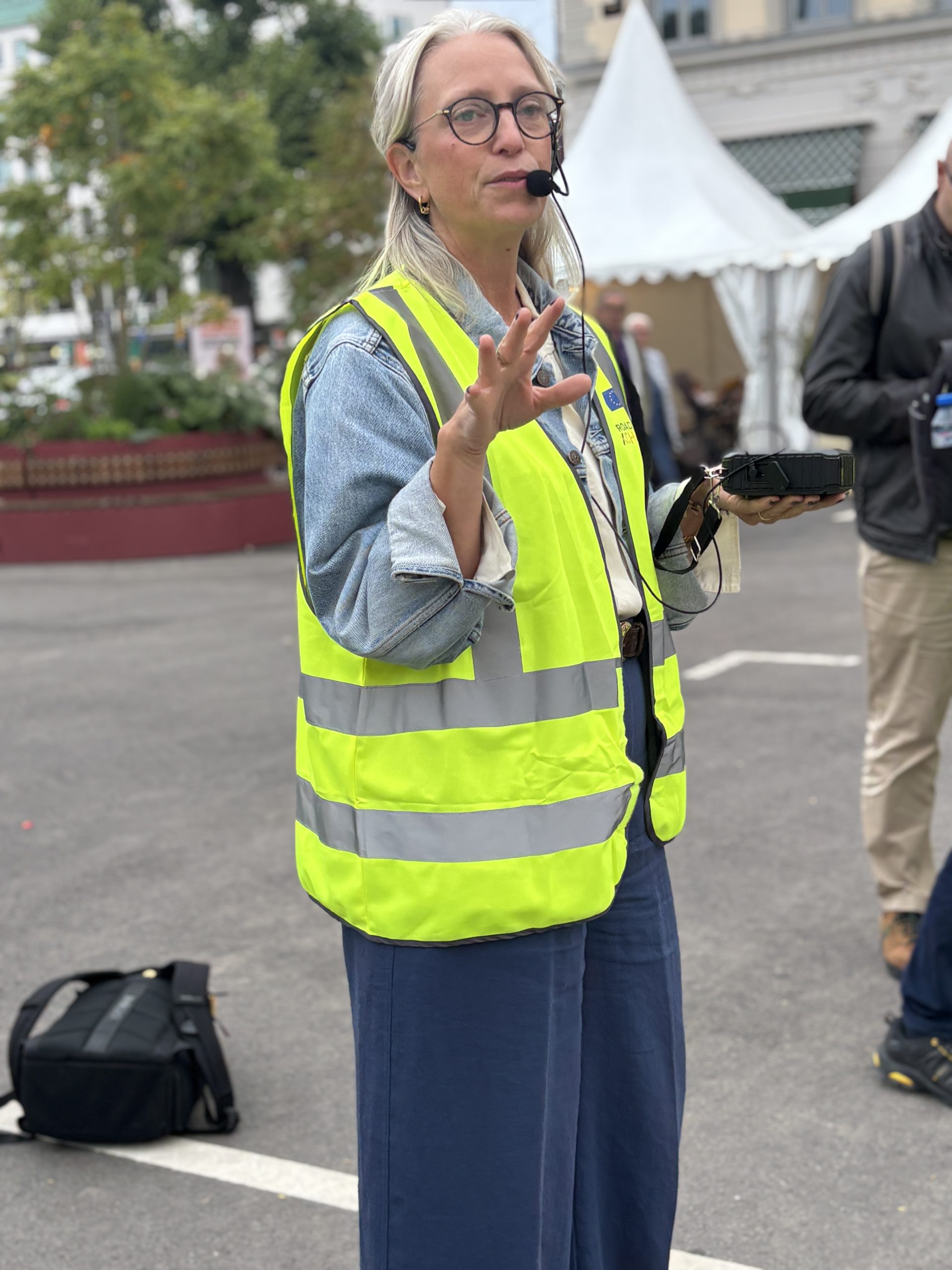
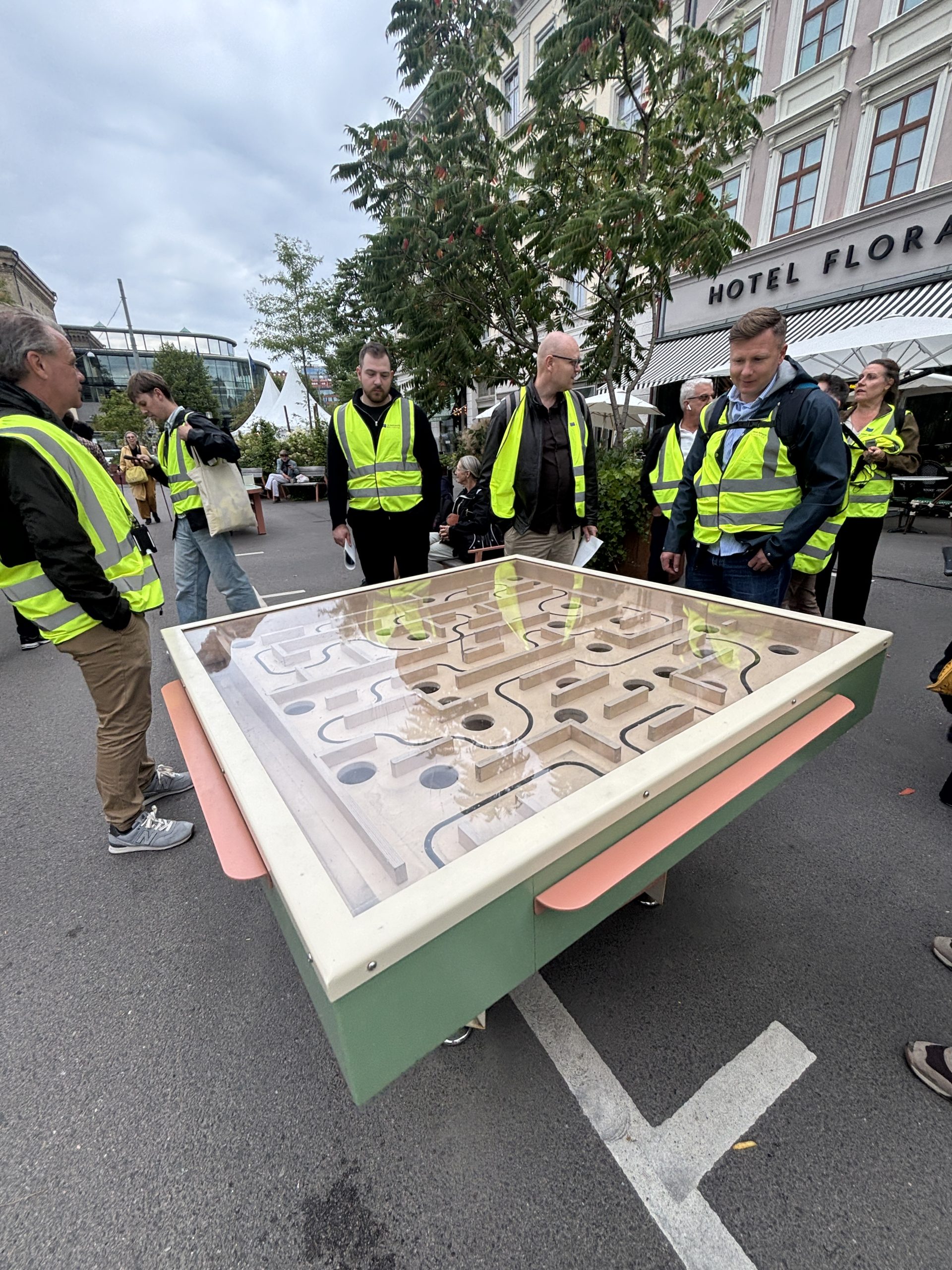
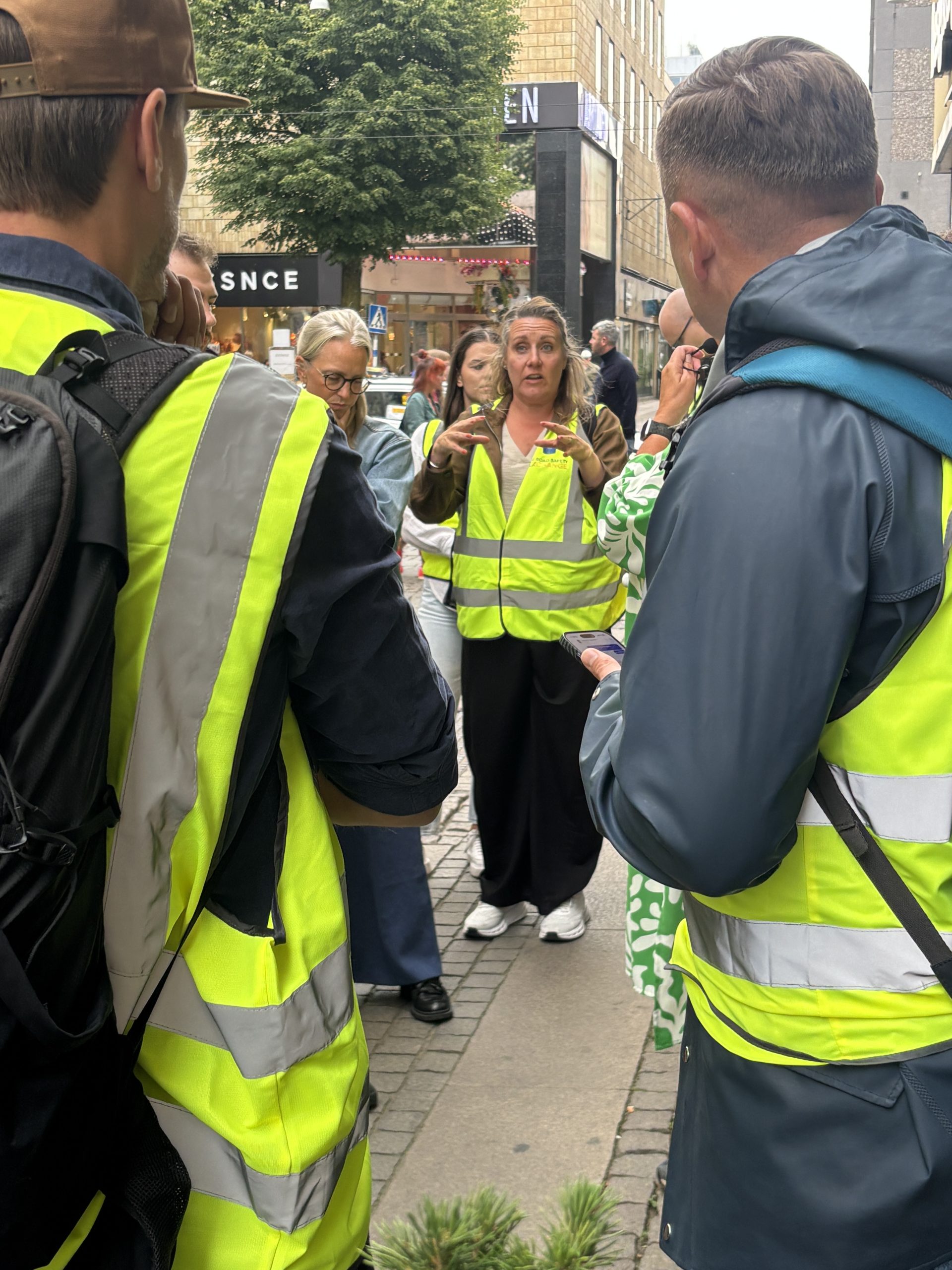
Participants explored the city on foot to see many of the measures discussed during the presentations in practice. The tour included pedestrian-priority streets, speed-reducing street layouts, the integration of cycling and micromobility, and summer street arrangements.
It also demonstrated how Gothenburg applies Vision Zero principles in dense and historic parts of the city, where limited space requires careful planning to provide safe conditions for walking and cycling.
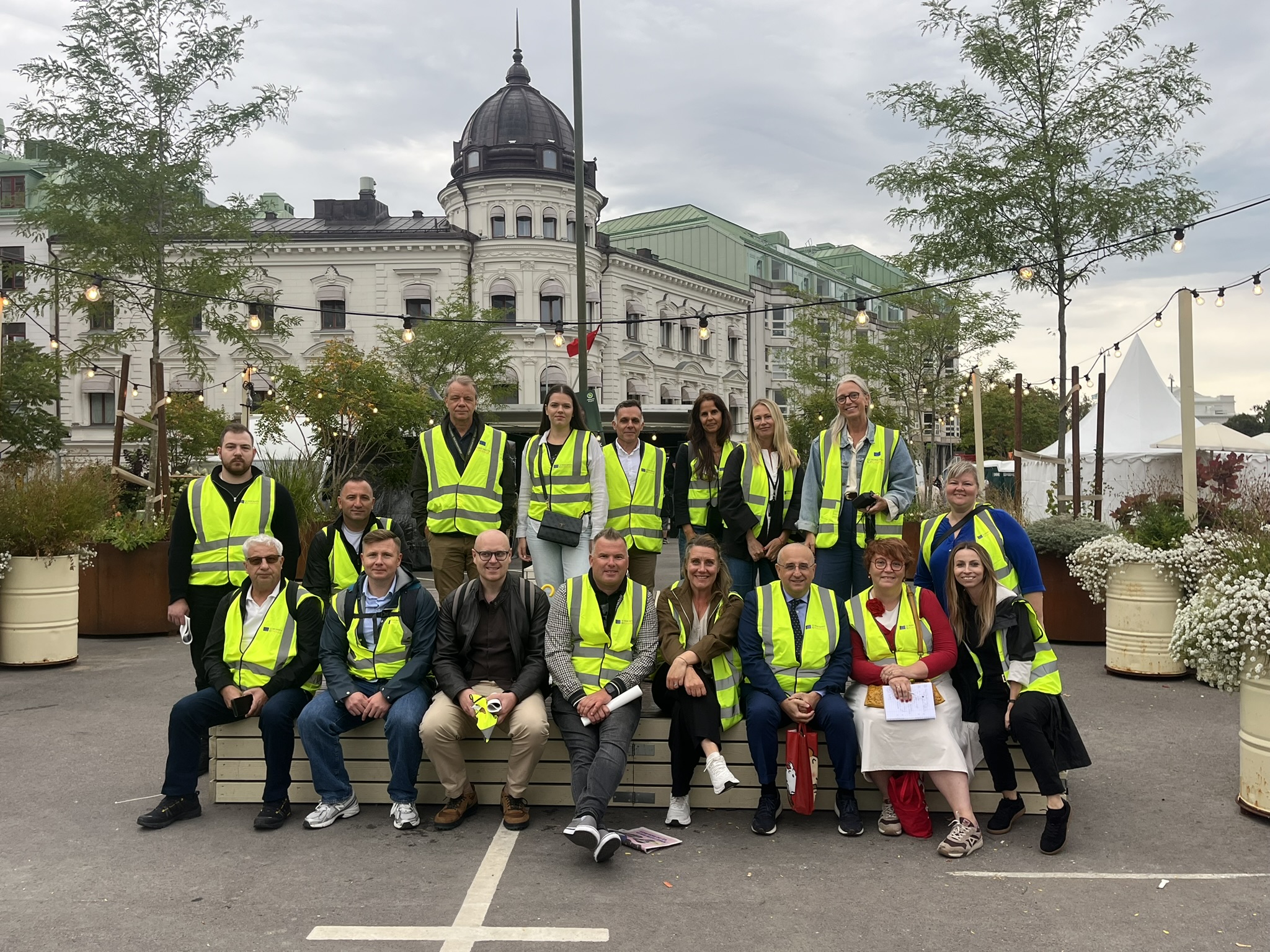
The study visit gave participants an opportunity to exchange experiences on a wide range of urban road safety topics and see how Gothenburg combines Vision Zero, data-driven planning, safer infrastructure, sustainable mobility and new technologies to address current and emerging challenges. Professionals from Maribor, Pärnu, Vilnius, Burgas, Braga, Brussels and Wrocław took back home new ideas to further improve safety and make cities more livable.
EU Road Safety Exchange creates a network of road safety professionals committed to sharing good practice and making safer roads across the EU.